
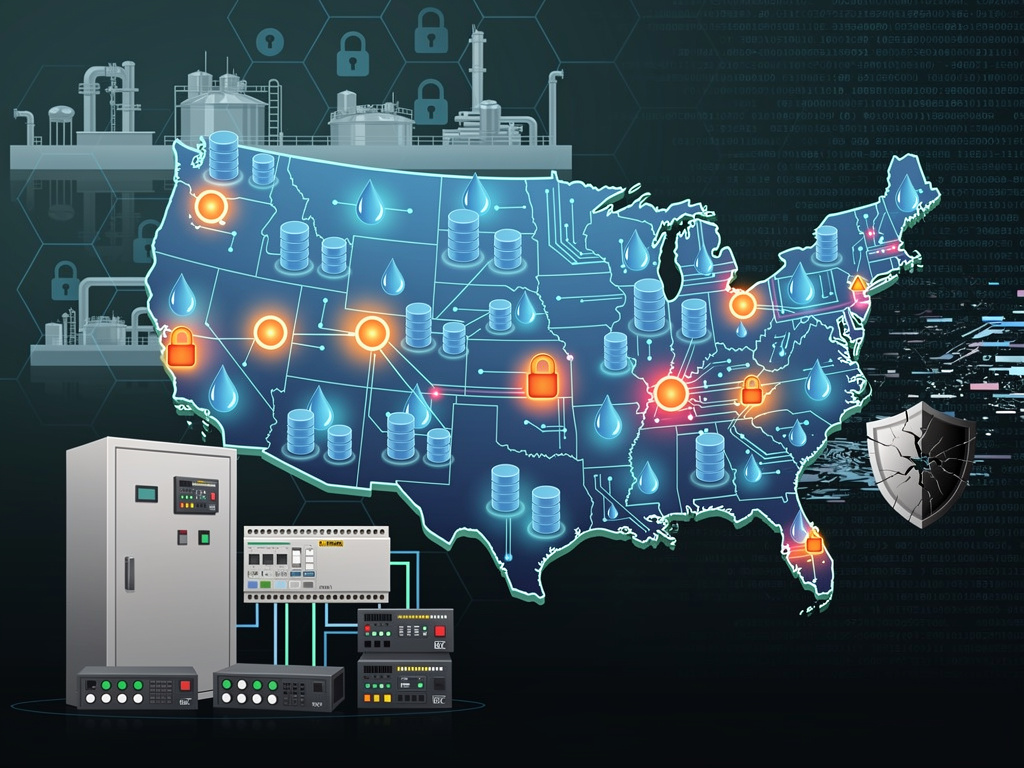

About two in every 10 U.S. water and wastewater organizations that SpyCloud examined have credentials actively exposed by infostealer malware, according to research the identity-risk firm published this week and shared first with CyberScoop.
SpyCloud started with a database of 66,845 systems registered with the Environmental Protection Agency, worked through their internet domains and ended up analyzing 10,000 organizations. Of those, 1,787 showed active infostealer exposure, and 258 of them had credentials for operational technology or remote-access systems in the stolen data.
One vendor, 167 utilities
The finding SpyCloud highlighted most involves the supply chain. A single infected device at an unnamed smart-meter technology provider held saved logins linked to roughly 167 U.S. utility metering tenants, so one compromised machine opened a door to many customers. “There’s examples here and there, but that was a standout example of, here’s a tangible thing that is an exposure right now,” said Jason Lancaster, SpyCloud’s chief investigations officer.
Infostealer logs typically include session cookies, saved passwords and autofill data. Lancaster said that’s enough to get around multifactor authentication by hijacking a session that’s already logged in, then get into email or VPNs without tripping alerts. “Infostealer exposure means the attacker isn’t guessing anymore, they’ve got legitimate points of entry,” he said. Access brokers sell those logs to ransomware crews and fraudsters.
What the study doesn’t show
SpyCloud was careful about the limits of its data. The report says exposure was concentrated in larger operators and in the vendor supply chain, small utilities were largely underrepresented, and the numbers measure identity exposure, not confirmed intrusions. It didn’t look at OT devices directly.
It also doesn’t cover what apparently caused this summer’s attacks on water systems in Minnesota and elsewhere, which CyberScoop said involved programmable logic controllers left exposed to the internet. Federal guidance for operators has centered on taking those controllers off the open internet and separating IT networks from OT networks. SpyCloud’s data adds a second item to that list: cleaning up infected machines and resetting the credentials and sessions they leaked, including at vendors.
This is SpyCloud’s first study focused on a single industry. The company has started a responsible-disclosure process with the affected organizations, beginning with a briefing for the Cybersecurity and Infrastructure Security Agency.


 WebProNews is an iEntry Publication