
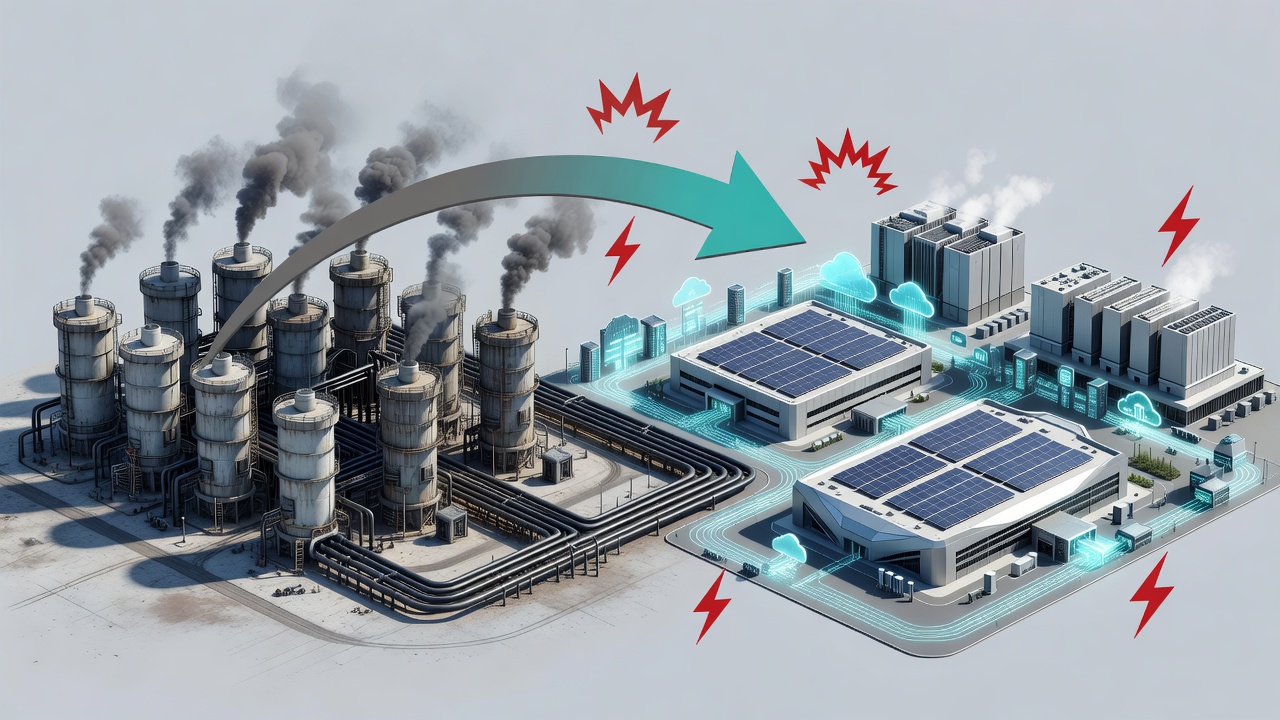
SpaceX has struck a deal with Mississippi regulators to start pulling temporary gas turbines from the site powering its Colossus AI data center complex. The last units won’t vanish until July 2027. The agreement, announced July 30, sets a firm schedule after months of complaints from environmental groups and legal wrangling.
Sixty-nine mobile turbines currently sit at the Southaven, Mississippi, facility, just across the state line from the Memphis-area Colossus clusters. They deliver power while a permanent 1.2-gigawatt natural-gas plant takes shape. Construction on that facility continues. Its 41 larger, permitted turbines received Clean Air Act approval in March 2026 after more than seven months of review.
SpaceXAI’s own update lays out the timeline clearly. Removal begins as early as August. The company insists air quality already meets or exceeds EPA standards. It has added selective catalytic reduction systems to cut NOx emissions on the mobile units. Sound walls and silencers are part of the permanent setup too.
Yet the path here was anything but smooth. The NAACP and Southern Environmental Law Center sued. They argued the turbines operated without proper permits and polluted nearby communities in one of the region’s most burdened areas. Potential emissions topped 2,000 tons of NOx a year. Federal rules, they said, required permits regardless of the units sitting on trailers.
SpaceXAI countered that the mobile design qualified for a temporary exemption. The Justice Department sided with the company in June 2026. Officials called the matter one of national economic and energy security. A TechCrunch report from July 31 captured the tension. Regulators and activists saw one reality. The company and its federal backers saw another.
The stakes run far beyond Southaven. Colossus and Colossus II together span roughly 2 million square feet. They supply about one gigawatt of compute capacity today. Plans call for scaling toward 1 million GPUs. xAI built the first major cluster in just 122 days back in 2024 by converting an existing factory. Speed defined the project from the start.
That speed created power headaches. The grid could not expand fast enough. So the turbines arrived first. They ran. Paperwork followed. And arguments played out in court while the machines kept spinning.
Internal challenges complicated matters further. SpaceX encountered latency issues linking Colossus 1 with other sites more than 10 miles away. Aging network infrastructure didn’t help. As a result the company leased the full capacity of Colossus 1 to Anthropic after its own teams struggled to use the facility for Grok model training. Bloomberg detailed the shift in June.
The leases have since multiplied. In May SpaceX agreed to supply Anthropic roughly 325,000 Nvidia GPUs for $1.25 billion a month. Weeks later Google signed on for about 110,000 GPUs at $920 million monthly. Those two deals alone point to $26 billion in annual revenue. That figure exceeds SpaceX’s entire $18.7 billion in revenue from the prior year. A Fortune analysis in July highlighted the transformation. AI compute now stands as a central pillar for the company’s eye-popping valuation.
SpaceX acquired xAI in February 2026 before its record IPO. The IPO filing revealed plans to buy nearly $3 billion worth of gas turbines in coming years. It also projected a $28.5 trillion total addressable market. Some $26.5 trillion of that tied to AI. The numbers reflect confidence. They also underscore the sheer energy appetite driving the sector.
Critics don’t share the optimism. Environmental organizations continue to press. They point to the prolonged use of the mobile turbines as a symptom of broader problems. AI’s explosive growth collides with local air-quality rules and community concerns. The Mississippi Department of Environmental Quality’s agreement codifies a compromise. It gives SpaceX time. It extracts a deadline.
Company statements strike a cooperative tone. Officials say they are investing in advanced controls and community partnerships. They point to monitoring data that shows compliance. Yet the July 2027 cutoff remains distant. For now the turbines stay. Power flows. Models train.
And the pattern repeats across the industry. Data-center operators everywhere chase megawatts. Natural-gas turbines offer quick deployment when grids lag. The Colossus case shows both the allure and the friction. Rapid build times deliver compute leadership. They also invite regulatory scrutiny and public pushback.
SpaceXAI’s permanent plant will replace the mobiles. Its permitted turbines carry different models from those acquired through the earlier APR Energy purchase. Emission controls will be more sophisticated. Noise mitigation measures are baked in. Whether those upgrades satisfy critics won’t be known for months or years.
One thing is clear. The AI race has a physical form. It sits in fields outside Memphis. Sixty-nine turbines hum today. A 1.2-gigawatt plant rises beside them. Billions in revenue ride on the outcome. So does the air quality in Southaven.
Removal will begin soon. Full transition stretches into 2027. The agreement with state regulators buys time. It also draws a line. For an industry that moves at unprecedented speed, that line feels unusually firm.


 WebProNews is an iEntry Publication