
Hugo Parra spent nearly a month in jail. He missed Thanksgiving with his family. He shared space with murderers. All because a Flock Safety license plate reader placed his friend’s red Alfa Romeo near a violent crime scene. The problem? Parra was five miles away when the attempted carjacking happened in Golden Hill.
The case, detailed in a Times of San Diego report, highlights risks that have long worried privacy advocates. Police relied on the automated system. They ignored timing discrepancies. They overlooked exculpatory evidence. And they arrested two men with records, assuming the database could not err.
Attorney Alex Coolman represents Parra and driver Ariel Beltran, 23. “This Flock hit was obviously the wrong car, as it could not have been in both places simultaneously,” Coolman said. The men now seek $1.5 million each from the city for civil rights violations and negligence. The city has denied their claims. A lawsuit is coming.
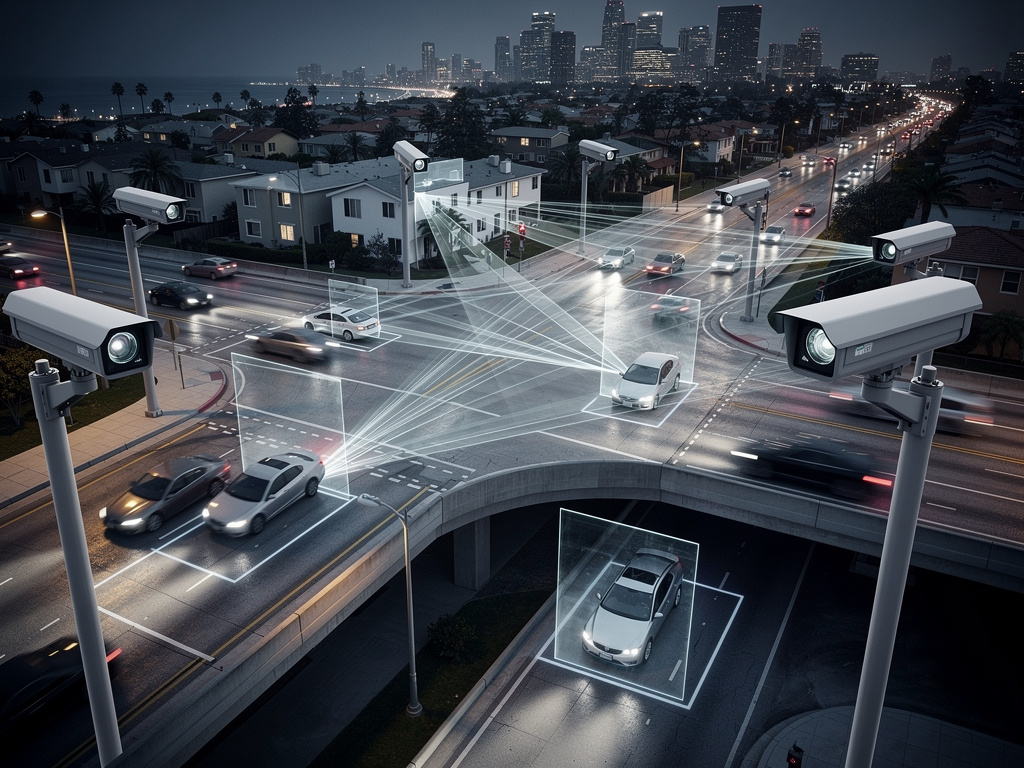
But this isn’t isolated. Flock Safety’s network spans thousands of communities. It captures license plates, vehicle details, timestamps and locations. The data feeds a centralized, searchable database. Law enforcement queries it millions of times a year. San Jose police alone ran nearly 4 million searches from June 2024 to June 2025, according to an Electronic Frontier Foundation complaint referenced in prior WebProNews coverage.
San Diego operates hundreds of these cameras. Many sit on smart streetlights. A dozen county agencies tap into private networks too. Malls. Big box stores. Homeowner associations. KPBS revealed access to more than 150 previously undisclosed private readers with minimal oversight. Shoppers at those locations had no idea their movements were tracked.
The False Hit That Changed Lives
On Nov. 26, 2025, the day before Thanksgiving, officers responded to an attempted carjacking in Golden Hill. They spotted a red Alfa Romeo with tinted windows. A chase followed. The driver sped the wrong way, hit 100 mph on the freeway, and vanished near Little Italy. No clear license plate. Just a description: Hispanic male in his 20s, goatee, gray hoodie.
Twenty-three seconds after officers lost the suspect, a Flock camera in Old Town captured a red Alfa Romeo on Moore Street. Detective Gary Gonzales saw the photo. He recognized the red paint and black windows. Officers soon spotted the car. They watched Parra, Beltran and friend Christian Lopez exit and enter a cigar lounge.
One man matched the description, sort of. Heavy-set. White hoodie instead of gray. The victim later identified Parra in a curbside lineup, citing the jacket and beard. No gun found in the car. The men insisted they drove straight from downtown. Cell phone data and other Flock cameras along their route could have confirmed it. Police didn’t check.
Parra was on probation. The arrest triggered notification to his officer. Both men carry criminal records. That history colored everything. “I was in disbelief,” Parra wrote in an email to Times of San Diego. “Sitting in jail, I was full of fear and adrenaline because I was being charged with a violent crime.”
Beltran bailed quickly. He called and emailed the detective repeatedly. He even showed up at the station. The detective, Beltran said, seemed uninterested until the case was dropped. Charges against both men eventually disappeared. Yet the experience lingers. Parra feels watched. Paranoid at every patrol car.
Coolman pulls no punches. “Mass surveillance without any sense of skepticism, or common sense, is a recipe for disaster. Law enforcement will come up with false positives all the time, the broader the surveillance net is cast.”
And the net is broad. Flock’s Condor cameras and license plate readers form a private dragnet on American streets. As detailed in WebProNews reporting, communities have resorted to literal trash bags over lenses to block the view. The company has faced mounting criticism for unauthorized access and privacy breaches, including live feed exposures reported in another WebProNews article.
Recent developments add fuel. In April 2026, The Guardian documented cities shutting down Flock systems over “creepy surveillance” fears. Hackers demonstrated live feed access. Flock altered terms of service, removing language that it does not own or sell customer data. The company called it redundancy removal. Residents in Dunwoody, Georgia, revolted.
A June 2026 GovTech article notes growing backlash around privacy and data sharing. Flock, valued at billions, pushes hard for adoption. Yet some cities cancel contracts. Others face lawsuits. The Institute for Justice identified at least 17 cases nationwide of officers misusing automated plate readers to stalk exes or strangers.
Backlash Builds as Data Flows Freely
San Diego remains committed. The city signed a $7 million contract in 2023 with Flock and Ubicquia for streetlight integration. Another $2 million flows annually. In late 2025, police explored Flock’s Nova platform for audio, video and device data integration. They later said they wouldn’t use it. Still, the infrastructure grows. Police credit the system with helping solve cases and recover millions in stolen property.
Yet errors happen. Machines misread plates. Officers jump to conclusions. Private cameras blur lines between public and commercial surveillance. County agencies access thousands of networks nationwide, including over 50,000 cameras in some cases. Oversight stays thin. Audits lag. Community input feels optional.
Advocates like Sarah Hamid of the Electronic Frontier Foundation push back. In comments to Times of San Diego on related reviews, she stressed the city’s obligation to examine privacy violations and civil liberties gaps. “If the city does decide to continue with its Flock contract, it has an obligation per its own surveillance technology oversight ordinance to really interrogate the impact of the massive amounts of privacy violations that are happening.”
Flock insists customers control data. Retention defaults to 30 days in many places. Images delete automatically. The company says its cloud has never been breached. But researchers found hardware flaws. One analyst documented 51 vulnerabilities, 22 with formal CVE identifiers. Root access in 30 seconds. USB ports accepting malicious payloads. Stolen police credentials appeared on the dark web. Some departments skipped multifactor authentication.
So what now? Parra’s story shows the human cost. False arrest. Lost time. Lingering stigma. For those with records, one mistaken database hit can derail lives. Beltran and Parra’s tort claims note the ignored evidence. The mismatched timelines. The rush to arrest.
Other cities have chosen different paths. Some paused contracts over immigration data fears. Others added safeguards. Washington state passed new restrictions in 2026. Yet San Diego’s review process continues. The City Council hears comments. Officials weigh crime reduction against liberty concerns.
The technology promises objective evidence. It delivers speed. But speed without skepticism creates mistakes. Parra sat in jail with killers while the real suspect stayed free. Five miles matter. Timestamps matter. Human judgment still matters most.
And as Flock expands, so do the questions. How many false positives hide in those millions of queries? How many innocents get swept up? San Diego’s cameras keep rolling. The data keeps flowing. Until more cases like Parra’s force a harder look, the dragnet tightens. One plate at a time.


 WebProNews is an iEntry Publication