
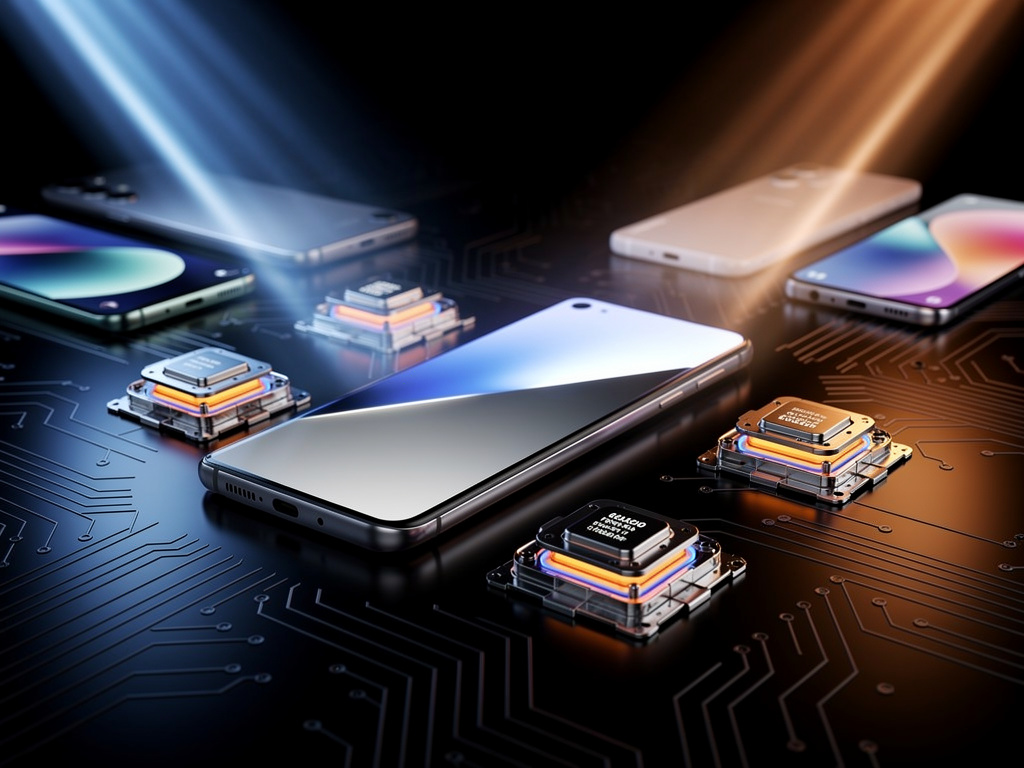
Samsung’s pursuit of advanced battery technology has long been a focal point for smartphone enthusiasts and industry analysts alike, with rumors swirling around potential breakthroughs that could redefine endurance in mobile devices. Recent developments suggest the company is experimenting with silicon-carbon batteries, a technology promising higher energy density without increasing physical size. According to a report from TechRadar, Samsung is testing these batteries in prototypes, potentially offering up to 10% more capacity in the same footprint as current lithium-ion cells. This comes at a time when competitors like OnePlus and Honor are already deploying similar innovations, pushing Samsung to catch up in an area where it has lagged.
The allure of silicon-carbon batteries lies in their ability to incorporate silicon into the anode, which can store more lithium ions than traditional graphite, leading to improved battery life. However, challenges such as silicon’s tendency to expand during charging have historically limited adoption. Samsung’s tests, as detailed in the TechRadar piece, indicate efforts to mitigate these issues through advanced materials and design tweaks. Industry insiders note that while this could mark a significant step forward, the implementation might not yield dramatic gains for the upcoming Galaxy S26 Ultra, with expectations tempered to a modest bump rather than a revolutionary leap.
Drawing from web searches and recent reports, it’s clear that Samsung’s battery strategy is evolving amid broader industry pressures. A piece from SamMobile suggests the S26 Ultra could see its battery capacity increase to around 5,200 mAh, a step up from the 5,000 mAh in previous models, but not the massive overhaul some hoped for. This aligns with Samsung’s cautious approach, prioritizing reliability over aggressive experimentation in flagship devices.
Battery Tech Evolution and Samsung’s Cautious Stance
Samsung’s hesitation stems from past experiences, including the infamous Galaxy Note 7 battery failures that led to a global recall. This history has instilled a conservative ethos in the company’s R&D, focusing on incremental improvements. Recent X posts from tech leakers highlight community sentiment, with users expressing frustration over Samsung’s slower adoption of silicon-carbon tech compared to Chinese rivals. For instance, discussions on the platform emphasize desires for capacities exceeding 5,500 mAh, yet reports indicate Samsung may reserve bolder innovations for non-smartphone applications like electric vehicles.
Further insights from The Economic Times point to complementary upgrades, such as brighter displays and faster charging, which could enhance overall user experience even if raw capacity gains are limited. The S26 Ultra is rumored to support 60W wired charging, a notable improvement over the 45W standard held since 2020, potentially reducing downtime and making modest battery increases feel more impactful.
Analysts argue that Samsung’s strategy reflects a balance between innovation and market realities. In a field where battery life directly influences consumer satisfaction, the company must navigate supply chain constraints and cost implications. A report from NotebookCheck.net describes a possible last-minute decision to incorporate these upgrades, underscoring the fluid nature of product development in response to competitive dynamics.
Competitive Pressures and Market Implications
The push for better batteries isn’t isolated to Samsung; it’s a response to advancements by peers. Leaks from Forbes, as seen in a Forbes article, reveal that the S26 Ultra might skip the silicon-carbon upgrade entirely, opting instead for refined lithium-ion tech. This could disappoint power users, especially as devices from OnePlus boast capacities nearing 6,000 mAh with silicon enhancements, offering superior longevity for gaming and media consumption.
On X, posts from influential tech accounts amplify this narrative, with speculation about Samsung’s internal tests showing promising results but limited rollout. Users debate whether the S26 series will truly compete in endurance, particularly with power-hungry features like AI processing and high-refresh-rate screens demanding more from batteries. These discussions often reference prototypes with 5,400 mAh capacities, hinting at what could be if Samsung accelerates adoption.
Moreover, a Geeky Gadgets analysis questions if a 5,200 mAh battery with 60W charging suffices against Chinese giants, emphasizing that real-world performance—factoring in software optimization—will be key. Samsung’s One UI has historically excelled in efficiency, potentially bridging gaps where hardware falls short.
Charging Innovations and User Experience Enhancements
Beyond capacity, charging speed emerges as a critical battleground. A PhoneArena report via PhoneArena confirms the S26 Ultra’s clearance in certifications hinting at faster charging and satellite connectivity, broadening its appeal for remote users. This could pair well with battery upgrades, allowing quick top-ups that mitigate moderate capacity increases.
Industry experts point out that Samsung’s ecosystem integration, including wireless charging advancements like Qi2 support, adds layers to the battery story. X threads discuss how magnets for MagSafe-like accessories could improve usability, with leakers predicting across-the-board implementation in the S26 lineup. Such features, while not directly boosting capacity, enhance perceived value by streamlining daily interactions.
However, pricing remains a wildcard. Recent news from TechRadar (noting this is a different article from the initial battery-focused one) indicates Samsung is grappling with rising component costs, potentially leading to higher tags for the S26 series. This could affect adoption, especially if battery gains don’t justify premiums.
Supply Chain Dynamics and Future Prospects
Delving deeper, Samsung’s battery ambitions are tied to its manufacturing prowess. As a major player in semiconductor and display tech, the company is uniquely positioned to integrate silicon-carbon batteries seamlessly. Yet, a VietnamNet piece accessed via web searches suggests this tech is being prioritized for electric vehicles, delaying smartphone deployment. This strategic allocation reflects broader corporate priorities, where automotive divisions demand cutting-edge solutions for longer-range EVs.
X posts from leakers like those speculating on 5,750 mAh capacities for future models underscore community optimism, but tempered by realism about timelines. Insiders note that regulatory hurdles and testing phases could push full adoption to the S27 or beyond, with the S26 serving as a transitional device.
In terms of environmental impact, silicon-carbon batteries promise efficiency gains that reduce charging frequency, aligning with sustainability goals. Reports from PhoneArena highlight how memory cost hikes complicate pricing, potentially forcing Samsung to absorb expenses or pass them on, influencing battery R&D budgets.
Strategic Shifts in Flagship Design
Samsung’s approach to the S26 Ultra also involves subtle design tweaks to accommodate battery enhancements. Leaks indicate a slightly thicker chassis or optimized internal layouts, ensuring that any capacity boost doesn’t compromise the phone’s premium feel. A Android Central report details how rising memory costs are stalling final decisions, yet battery upgrades remain a priority to maintain competitiveness.
Community feedback on X emphasizes the need for holistic improvements, with users calling for better thermal management alongside battery tech. This could prevent throttling during intensive tasks, maximizing the benefits of any upgrade.
Looking ahead, Samsung’s partnerships with suppliers like LG Energy Solution could accelerate progress. Industry observers predict that by 2027, silicon-carbon could become standard, driven by consumer demand for all-day batteries in an era of always-on connectivity.
Balancing Innovation with Reliability
The S26 Ultra’s rumored specs, including a Snapdragon 8 Elite chipset and advanced OLED panels, will test battery efficiency. A Android Central leak (distinct from the pricing article) suggests larger screens for Plus models, increasing power draw and heightening the importance of battery advancements.
X discussions often compare Samsung’s trajectory to Apple’s conservative updates, noting how incremental gains build loyalty. Yet, for power users, the absence of a major silicon-carbon push might drive some toward alternatives.
Ultimately, Samsung’s battery strategy embodies a calculated evolution, blending tested reliability with emerging tech. As the S26 launch approaches in early 2026, these developments will shape perceptions of the brand’s innovation prowess in a fiercely contested market.
Emerging Trends in Mobile Power Management
Broader trends reveal a shift toward AI-optimized power management, where software anticipates usage patterns to extend life. Samsung’s integration of such features in One UI 8.5 could amplify modest hardware upgrades, making the S26 Ultra a standout despite conservative battery specs.
From web-sourced insights, including a VietnamNet article, it’s evident that while smartphones miss out on cutting-edge batteries now, the groundwork is being laid for future leaps.
In this context, the S26 series represents a bridge, offering tangible improvements like 60W charging and slight capacity boosts that, combined with ecosystem synergies, deliver meaningful enhancements for users. As Samsung navigates these challenges, its ability to innovate without risking reliability will determine its standing in the high-stakes arena of premium smartphones.


 WebProNews is an iEntry Publication