
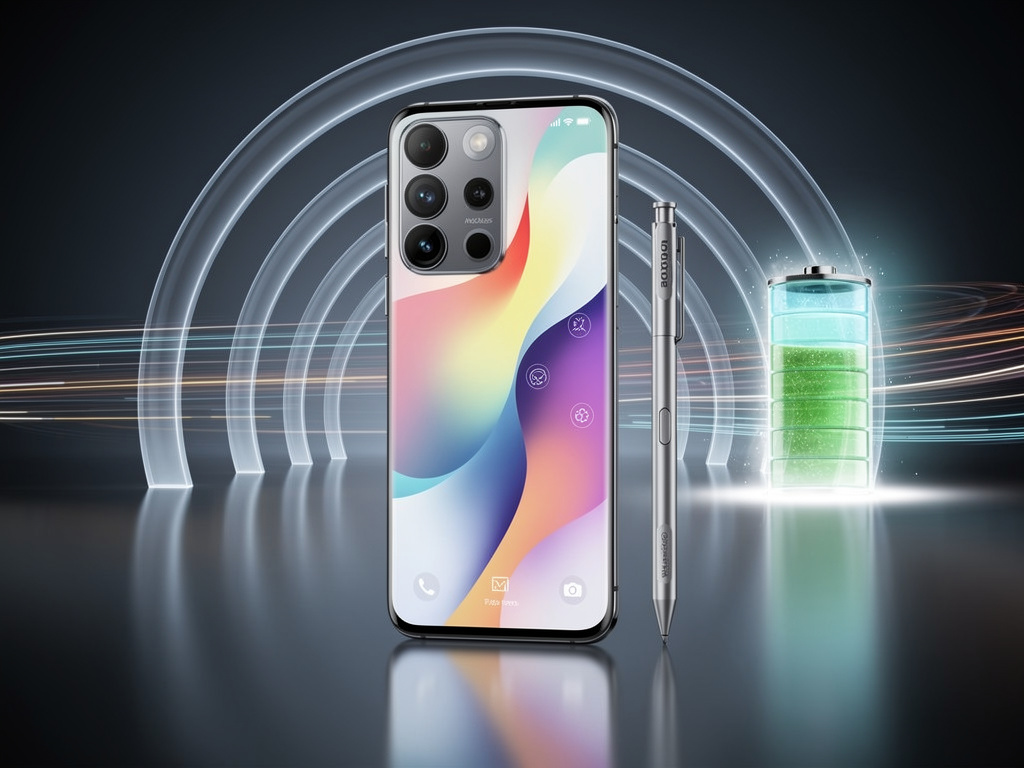
Motorola’s Bold Return to Flagship Glory: The Signature Phone and Its Seven-Year Promise
In the competitive arena of high-end smartphones, Motorola is poised to make a significant comeback with its upcoming Signature model, a device that promises to blend cutting-edge hardware with an unprecedented commitment to longevity. Leaks surfacing in early 2026 have painted a vivid picture of a phone that could challenge industry leaders like Samsung and Google in terms of software support. According to details revealed in a report from Android Central, the Signature is set to offer seven years of Android OS updates and security patches, a move that aligns it closely with Google’s Pixel lineup and surpasses many rivals.
This extended support period isn’t just a marketing gimmick; it represents a strategic shift for Motorola, a brand that has historically focused on mid-range devices under Lenovo’s ownership. Insiders note that this could help Motorola regain footing in the premium segment, where consumers increasingly demand devices that remain relevant for years. The leak details a powerhouse of specifications, including a top-tier Snapdragon processor, which positions the Signature as a no-compromises flagship.
Beyond the processor, the phone is rumored to feature a stunning AMOLED display with high refresh rates and peak brightness levels that rival the best in the market. Camera capabilities are also highlighted, with a multi-lens setup designed for professional-grade photography, including advanced AI enhancements for low-light shooting and video stabilization.
Unpacking the Hardware Innovations Driving Motorola’s Ambition
Motorola’s decision to equip the Signature with Qualcomm’s latest Snapdragon 8 series chipset underscores its intent to compete at the highest level. This silicon choice ensures blazing-fast performance for multitasking, gaming, and AI-driven tasks, areas where previous Motorola flagships have lagged. The integration of stylus support, as mentioned in various leaks, adds a layer of versatility, potentially appealing to productivity-focused users who might otherwise opt for Samsung’s Galaxy S series.
Battery life emerges as another strong suit, with reports suggesting a robust cell capable of all-day usage even under heavy loads. Fast charging and wireless options are expected to round out the package, making the Signature a practical choice for professionals on the go. Design-wise, the phone boasts a sleek, thin profile that doesn’t sacrifice durability, incorporating premium materials like reinforced glass and metal frames.
On the software front, the seven-year update pledge is groundbreaking for Motorola. Historically, the company has provided shorter support cycles, often limited to two or three years. This new approach could stem from Lenovo’s broader ecosystem strategy, aiming to build customer loyalty in an era where device longevity is a key selling point amid environmental concerns.
Market Implications and Competitive Positioning
The timing of the Signature’s launch, slated for January 7, 2026, comes as the smartphone sector grapples with saturation in mature markets. Motorola’s entry could disrupt the status quo by offering flagship features at potentially more accessible price points, a hallmark of the brand’s value-driven heritage. Leaks from PhoneArena indicate that while pricing remains undisclosed, the device avoids the ultra-premium tags of competitors, making it an attractive option for budget-conscious enthusiasts.
Comparisons to Apple’s iPhone ecosystem are inevitable, given the extended support. Apple’s devices often receive updates for five to six years, but Motorola’s seven-year commitment could set a new benchmark, pressuring others to follow suit. This is particularly relevant as consumers weigh the total cost of ownership, factoring in how long a phone remains secure and functional.
Moreover, the Signature’s foldable counterpart in Motorola’s 2026 lineup, as teased in broader leaks, suggests a multifaceted assault on the market. The company’s Razr series has already carved a niche in foldables, and integrating similar long-term support could solidify its position against Samsung’s dominance in that category.
Software Support as a Strategic Differentiator
Diving deeper into the update promise, industry analysts see this as Motorola’s bid to address one of the Android ecosystem’s longstanding pain points: fragmentation and short support lifecycles. By committing to seven years, Motorola not only enhances device security but also ensures access to future Android features, from improved privacy tools to AI integrations. This could be a game-changer for enterprise users who prioritize long-term reliability.
Posts on X (formerly Twitter) from tech enthusiasts and leakers echo this sentiment, with many expressing excitement over the prospect of a “future-proof” Motorola phone. One notable thread highlighted how this move challenges the iPhone’s perceived superiority in longevity, potentially drawing switchers from iOS. However, skepticism remains, as Motorola’s track record with timely updates has been spotty in the past.
To deliver on this promise, Motorola will likely leverage its partnership with Google, optimizing the Android experience with minimal bloatware. The clean software interface, combined with AI-driven features like intelligent battery management and camera enhancements, positions the Signature as a thoughtful evolution rather than a mere spec bump.
Camera and Display Technologies in Focus
The Signature’s camera system is poised to be a standout feature, with leaks detailing a 50MP main sensor complemented by ultra-wide and telephoto lenses. Advanced computational photography, powered by the Snapdragon chipset, promises superior image quality in challenging conditions. This setup could appeal to content creators, offering 4K video recording with stabilization that rivals dedicated cameras.
Display technology further elevates the device, featuring an Extreme AMOLED panel with variable refresh rates up to 120Hz for smooth scrolling and gaming. High peak brightness ensures visibility in direct sunlight, a critical factor for outdoor use. These elements, drawn from reports in 9to5Google, suggest Motorola is not skimping on visuals, aiming to match or exceed the vibrancy of displays from OnePlus or Google.
Integration of under-display fingerprint sensors and facial recognition adds to the seamless user experience, blending security with convenience. For insiders, this indicates Motorola’s investment in R&D to close the gap with top-tier brands.
Broader Lineup and Ecosystem Synergies
Motorola’s 2026 portfolio extends beyond the Signature, encompassing models like the updated Moto G series and foldables, as outlined in a comprehensive leak from PhoneArena. This diverse range allows the company to cater to various price segments while maintaining a cohesive brand identity centered on reliability.
Ecosystem integration plays a pivotal role, with the Signature potentially syncing seamlessly with Lenovo’s laptops and tablets. This cross-device functionality could enhance productivity, such as continuum features for transferring tasks between phone and PC. For businesses, this interoperability might make Motorola a viable alternative to Samsung’s DeX or Apple’s Continuity.
Looking ahead, the success of the Signature could influence Motorola’s global strategy, particularly in emerging markets where affordability meets aspiration. By offering premium features with extended support, the brand might capture share from local players like Xiaomi and Realme.
Challenges and Potential Roadblocks Ahead
Despite the hype, challenges loom. Motorola must ensure that its update delivery is consistent, avoiding the delays that plagued earlier models. Supply chain issues, exacerbated by global semiconductor shortages, could impact availability at launch.
Competition from established flagships like the Galaxy S26 or Pixel 10 series will be fierce, with those devices boasting refined ecosystems and brand loyalty. Motorola’s marketing will need to emphasize its unique value proposition—longevity without the premium price—to sway consumers.
Regulatory pressures, such as evolving data privacy laws, could also shape the Signature’s features. Ensuring compliance while innovating will test Motorola’s agility in a fast-paced industry.
Innovation in Battery and Charging Paradigms
Battery technology in the Signature represents a forward-thinking approach, with a large capacity optimized by AI to extend life cycles. Fast charging speeds, potentially up to 125W, promise quick top-ups, addressing a common user frustration. Wireless charging compatibility further modernizes the device.
These advancements draw from broader industry trends toward sustainability, where longer-lasting batteries reduce electronic waste. Motorola’s commitment here aligns with global efforts to promote eco-friendly tech.
For insiders, this signals potential partnerships with battery innovators, possibly influencing future Lenovo products.
User Sentiment and Early Reactions
Feedback from online communities, including posts on X, reveals a mix of optimism and caution. Many users praise the seven-year support as a bold step, with some comparing it favorably to Apple’s model. Others question whether Motorola can execute flawlessly, citing past software glitches.
Analysts predict strong initial sales if pricing undercuts rivals, potentially boosting Motorola’s market share by 5-10% in the premium segment. This could revitalize the brand’s image, long overshadowed by its mid-range focus.
As the January 7 launch approaches, the Signature stands as a testament to Motorola’s renewed ambition, blending heritage with innovation.
Strategic Outlook for Motorola’s Revival
In the broader context, the Signature could catalyze Motorola’s revival, leveraging Lenovo’s resources to challenge incumbents. By prioritizing longevity, the company addresses consumer demands for sustainable tech.
Future iterations might expand on this foundation, incorporating emerging tech like advanced AR capabilities or modular designs. For now, the leak-fueled anticipation sets high expectations.
Industry watchers will monitor post-launch performance closely, as it could redefine expectations for Android flagships.


 WebProNews is an iEntry Publication