
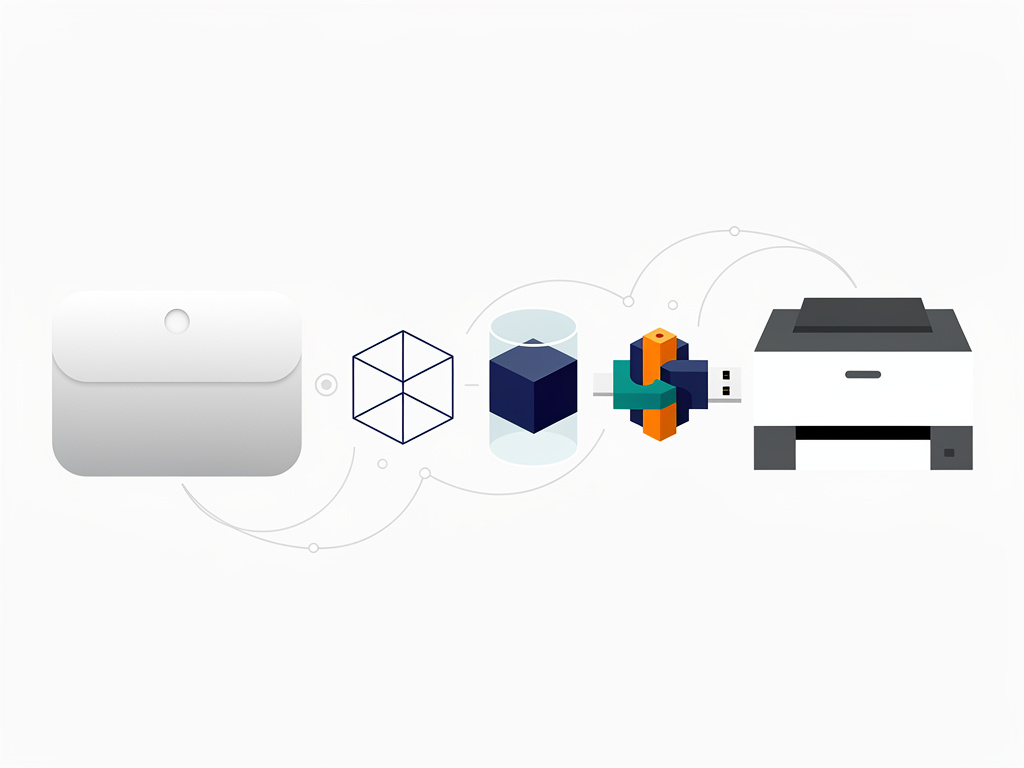

Kuber Mehta’s HP Laser 1008a should not print from a Mac. HP offers drivers only for Windows and Linux, and the printer supports neither AirPrint, PostScript nor PCL. Mehta, a New Delhi-based developer and founder of PolyThink, used Anthropic’s Claude Code to write a working macOS driver anyway, The Register reported.
“My HP Laser 1008a is a rebadged Samsung host-based printer that speaks a proprietary raster language (SPL3), and it has no macOS driver and no AirPrint,” Mehta wrote in a blog post that includes a lightly redacted transcript of the session. The conversation took around 30 to 40 prompts and used about 4 percent of his monthly Claude usage, according to The Register.
From a Linux VM to Fully Native
The driver got progressively more native, according to the project’s GitHub repository. The first working version ran HP’s proprietary Linux rastertospl filter inside a Docker/colima Linux VM, because that was the only thing producing output the printer accepted. Mehta and Claude then reverse engineered the underlying bug and fixed it with a 10-line patch to SpliX, an open-source CUPS driver for Samsung-derived SPL printers, which let them drop the VM and the vendor binary.
The USB write is now handled by a small native helper built on IOKit. That solved two macOS quirks: the stock usb backend misreads the printer’s port status as permanently offline, and macOS tends to leave the dual-mode printer in IPP-over-USB mode, where it silently drops raw SPL3 data. The backend switches the printer back to its classic raw-printing interface before writing.
The result, released under the MIT license, supports the HP Laser 1003, 1006 and 1008 on Apple Silicon Macs and installs with a single script. After that, the printer works with Cmd-P from any app. Mehta said the SPL3 fix is being upstreamed to SpliX.
Opening Up Driver Work
Mehta admitted he “knew very little about macOS drivers but learned along the way.” The Register noted that the transcript shows the model, Opus 4.8, making confident statements that had to be corrected, which is a reminder that the human still has to test and push back.
Device drivers have long been specialist territory, and cheap printers are often abandoned on platforms their makers don’t care about. Projects like this show how coding agents let a motivated user rescue that hardware, and because the fix is going upstream, other owners of the same printers will benefit as well.


 WebProNews is an iEntry Publication