
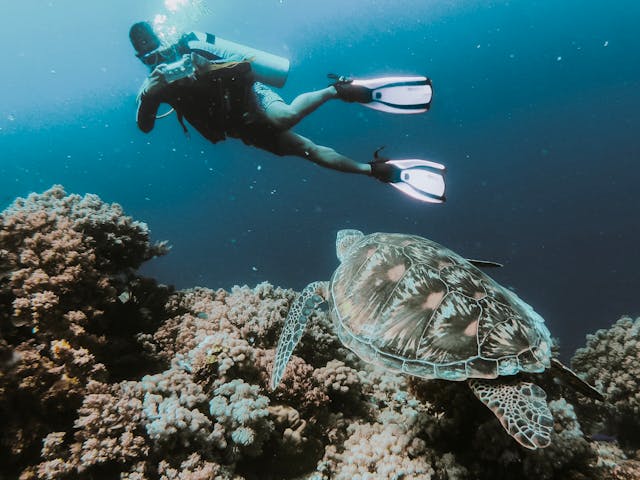
When guests ask my front desk team for the best diving spots in Bali, they’re rarely asking for a simple list; they’re asking for confidence. They want to know where they’ll have the smoothest experience, the best chance of seeing something memorable, and the least amount of stress navigating logistics they don’t understand yet. For small hotel owners, this is an opportunity: offer clear, objective guidance, and you turn a “nice stay” into a stay guests remember and recommend.
Bali is one of those destinations where the underwater world can be as defining as the beaches. But it’s also a place where the wrong match between guest ability, sea conditions, and site choice can turn excitement into frustration. The goal isn’t to push anyone into diving. It’s to help each guest find the best diving spots in Bali, Indonesia and choose the right style of underwater experience, at the right pace, with realistic expectations.
This guide explores how managers can integrate diving choices into their hospitality offering — not just as an add‑on, but as a driver of guest satisfaction, loyalty, and revenue.
Why Diving Advice Matters for Small Hotels
Small hotels win on personalization. We don’t have call centers or scripted concierge desks; we have real conversations with guests. Diving is a perfect example of where thoughtful advice pays off:
- Guests feel safer and better prepared
- They book the right kind of trip for their experience level.
- Fewer last-minute cancellations and complaints
- Better reviews because expectations are met (or pleasantly exceeded)
Even if your hotel isn’t a “dive resort,” having a solid understanding of scuba diving in Bali, Indonesia, helps you support guests who want to explore the sea responsibly.
Bali Diving in One Sentence: Diverse, Beautiful, and Condition-Dependent
Bali’s main diving areas are spread around the island and nearby islets, and they don’t all feel the same. Some are calm and beginner-friendly. Others can be more demanding because of currents and temperature changes. This is why “best” is always relative.
A helpful way to guide guests is to start with three questions:
- Are you certified, and when was your last dive?
- Are you looking for calm reefs, big animals, or photography-friendly macro life?
- How much travel time are you comfortable with for a day trip?
With those answers, you can direct them toward a zone that suits their comfort and goals.
The Core Regions Guests Should Understand
1) Amed: Relaxed Coastal Diving With a Local Feel
If you want a dependable recommendation that suits a wide range of travelers, scuba diving in Amed, Bali, is one of the easiest to explain and one of the gentlest to experience. Amed’s vibe is slower and more traditional compared to the south, and that calmer pace often matches the diving itself.
Why guests like it:
- Easier logistics for relaxed dive days
- Shore-entry options that feel less intimidating for newer divers
- Great for guests who want a quieter base away from nightlife
From a hotel-operator perspective, Amed is also a strong suggestion for guests who value simplicity: fewer moving parts, fewer “tour-style” pressures, and more control over timing.
2) Tulamben: The “Iconic” Experience That Still Needs Expectation Setting
Tulamben is often mentioned in the same breath as Bali diving because it delivers a memorable underwater landscape that many guests can access without advanced experience when conditions are suitable.
What to tell guests in plain language:
- It’s popular for a reason, but popular means early starts can be smarter
- It can be physically demanding if guests aren’t comfortable with shore entries.
- It rewards patience; slow, observant divers enjoy it most.t
For small hotels, the best support you can offer here is planning: encouraging guests to start early, stay hydrated, and avoid overloading their days with strenuous activities.
3) Padang Bai: Convenient Variety for Short-Stay Travelers
Padang Bai works well for guests who want to fit scuba diving in Bali into a tighter itinerary. It’s often easier to access from the south than Amed, which makes it attractive for people staying in busier tourist areas.
Why it’s helpful:
- Good “middle-ground” option for day trips
- Offers variety without requiring a long travel day
- Fits guests who want one or two dive days without reorganizing their holiday
For hoteliers, Padang Bai is a practical recommendation for guests who say, “I want to dive, but I don’t want my whole trip to be about diving.”
4) Nusa Penida and Nusa Lembongan: Big-Moment Diving With More Variables
These areas can deliver the kinds of “I can’t believe I saw that” moments guests dream about. But they can also be less predictable due to conditions, and not every guest will enjoy that unpredictability.
How to frame it objectively:
- Better for confident divers or guests diving with strong guidance
- A good choice for travelers prioritizing marine encounters
- It may feel more intense than other Bali regions.
A small hotel’s role here is to match risk tolerance and experience level. Guests who want calm, easy days might be happier in Amed or Padang Bai. Guests who want “the highlight of the trip” may accept more variables for the chance of something extraordinary.
5) Menjangan and the Northwest: Calm, Scenic, and Often Overlooked
Guests staying in the northwest or looking for quieter waters can find rewarding diving here, especially those who want scenic reefs and a slower pace.
This area is a strong fit for:
- Guests who prefer calmer conditions
- Travelers who are combining nature, culture, and relaxation
- People who don’t want crowds to shape their experience
From a business standpoint, offering this option in your recommendations positions your hotel as thoughtful and locally informed because you’re not just repeating the same two locations everyone mentions.
Practical Guest Guidance That Prevents Complaints
Here’s the part that separates a helpful hotel from a forgettable one: small, operational advice that stops problems before they happen.
Encourage the “right” kind of schedule.
Many guests try to cram diving into a packed itinerary. Suggest:
- One focused dive day rather than multiple rushed half-days
- A lighter evening the night before early departures
- A buffer day if they’re prone to fatigue or motion sickness
Recommend refreshers without making guests feel embarrassed
Guests who haven’t dived in a long time often overestimate how “automatic” it will feel. A friendly, practical script works:
- “If it’s been a while, a quick refresher helps you enjoy the dive more, less stress, more fun.”
Normalize comfort choices
Some guests feel pressured to choose the “most famous” sites. Remind them:
- The best dive is the one they enjoy safely
- Calm water and good visibility often beat a stressful “bucket list” push.h
What Small Hotels Can Do to Add Value Without Selling Anything
This is where business orientation meets hospitality integrity. You can keep it non-commercial and still be very helpful:
- Create a simple “Diving in Bali” one-page briefing for guests (packing basics, timing, how to prepare)
- Train front desk staff on the differences between regions (Amed vs Padang Bai vs Nusa Penida)
- Keep a checklist of questions to ask guests so recommendations feel tailored.
- Collect guest feedback after dive days: “What surprised you?” That insight improves your guidance over time
Your hotel becomes the place that helps guests get it right.
The Big Takeaway: “Best” Means Best for That Guest
For small‑hotel managers in Bali, diving isn’t just an excursion — it’s a business opportunity. By strategically integrating diving experiences into hospitality offerings, managers can boost guest satisfaction, strengthen brand identity, and unlock new revenue streams. From hospitality to adventure, the key lies in curating experiences guests truly love.
When you give clear, calm guidance about scuba diving in Bali, Indonesia, you reduce uncertainty and increase enjoyment. And when your guests enjoy their dive day, they come back to your hotel in a better mood, with better stories, and often with that rare thing that drives great reviews: gratitude that someone helped them make a smart choice.
That’s what small hotels do best: turn big destinations into experiences that feel personal, manageable, and unforgettable.


 WebProNews is an iEntry Publication