
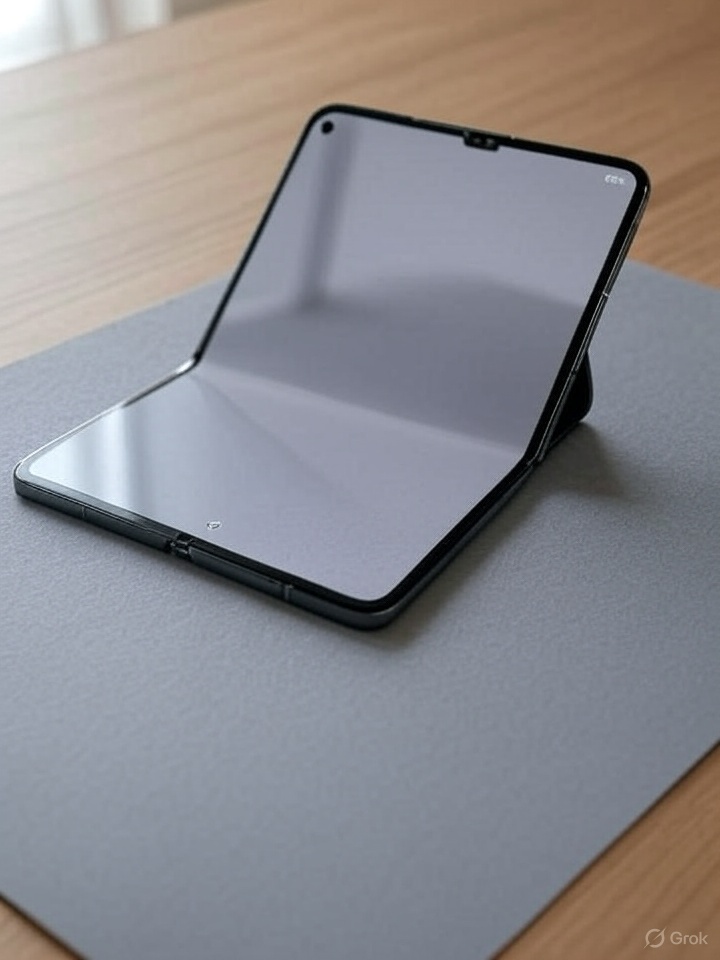

Google is finally requiring Android app developers to support foldable phones at a baseline level, giving them until April 2027 to comply.
Android foldables have existed for years, first popularized by Samsung’s Galaxy Z Fold series. Unfortunately, despite how long they’ve been around, many Android apps still don’t properly scale to take full advantage of the added screen real estate foldables provide.
It seems Google has finally decided to force the issue, acknowledging what users expect:
Since Android first announced platform support for foldable devices, consumer adoption of premium foldable Android phones has continued to grow at a rapid pace. Foldable devices in the Android ecosystem evolved from an emerging innovation into premium mainstream hardware, with a range of sizes that match the diverse needs of users. When users invest in these top-tier devices, they expect their favorite apps and games to provide a seamless and smooth transition as they switch between folded and unfolded states, and unlock new experiences possible only on foldable screens.
The company went on to set a hard deadline for most apps:
Starting April 2027, apps on Google Play will need to meet at least Tier 3 of the Android adaptive app quality guidelines for foldables. Apps that do not meet this quality bar will no longer be able to publish or update on Google Play, and may have reduced visibility on the store. While our April 2027 enforcement establishes Tier 3 adaptive quality as the mandatory baseline for foldables, Google Play’s quality framework will progressively expand to incorporate Tier 2 and Tier 1 standards across foldables, tablets, Googlebooks, and Android XR. Developers should build their apps now for these higher tiers to maintain compliance and unlock premier store badging, editorial spotlighting, and enhanced merchandising across Google Play as the platform bar elevates.
The company also outlined exactly what the three tiers mean:
- Tier 3: Adaptive ready — Apps must fill the available display area without letterboxing or compatibility modes. Apps must preserve state (scroll position, text input, media playback) during rotation, folding/unfolding, and resizing, while supporting multi-window environments.
- Tier 2: Adaptive optimized — Evaluates responsive multi-pane layouts, avoiding stretched UI elements, as well as basic support for external keyboard, mouse, trackpad, and stylus input across foldables, tablets, and other large screen devices.
- Tier 1: Adaptive differentiated — Evaluates tabletop and book postures, camera continuity, interactive picture-in-picture, and multi-instance support for media, video, reading, and multitasking apps.
Interestingly, due to the added complexity, games are given extra time to adapt:
Android is introducing new large screen and foldables quality guidelines for games, built specifically around how game engines, in-game viewports, and touch controls work on unfolded foldables and tablets. The guidelines are organized into three progressive tiers, from meeting baseline readiness to delivering the highest level of performance and differentiating your game.
Beginning August 2027, Google Play will require games to meet at minimum the baseline, Tier 3 (Ready), level of support large screens and foldables.
Google is likely feeling pressure from the launch of Apple’s iPhone Duo. Apple has a well-established reputation for getting app developers to adopt new technologies and devices much faster than Android developers. As a result, Google likely wants to push the issue to bolster the Android foldable experience, lest the Duo poach users by offering a superior experience.


 WebProNews is an iEntry Publication