
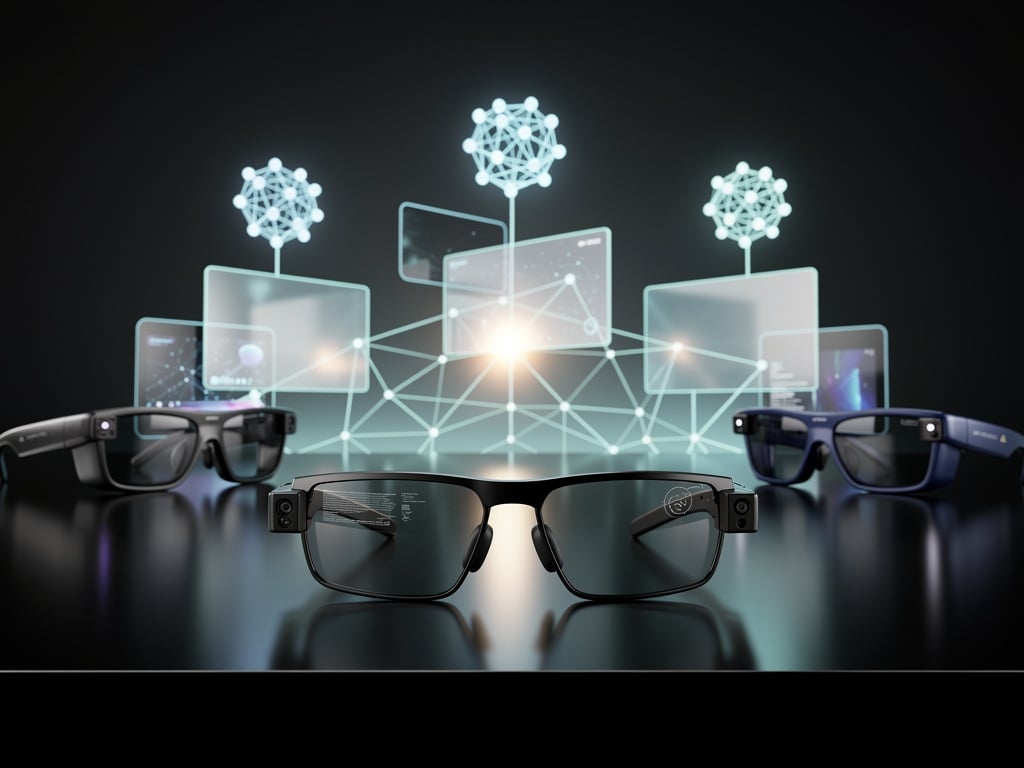
Forging the Next Era: Google’s Deepened Pact with Xreal in Android XR
In a move that underscores the accelerating push into extended reality technologies, Google has extended its strategic partnership with Xreal, designating the Chinese augmented reality specialist as the lead hardware collaborator for the Android XR platform. This multi-year agreement, announced on January 6, 2026, builds on their ongoing collaboration and aims to accelerate the development of optical-see-through devices like AR glasses. The partnership’s centerpiece is Project Aura, a compact set of AR glasses set to launch later this year, marking a significant step in bringing Android XR to consumer markets.
The extension comes at a pivotal moment for the XR sector, where competition is intensifying among tech giants vying to define the next generation of wearable computing. Google, long a player in mobile operating systems, is leveraging its Android expertise to create a unified ecosystem for spatial computing. Xreal, known for its lightweight AR glasses, brings hardware prowess that complements Google’s software strengths. According to details from the announcement, the collaboration will focus on expanding support for developers and integrating advanced features into wired XR devices.
This deepened alliance isn’t just about hardware; it’s a strategic alignment to foster an open ecosystem that could challenge closed platforms from rivals like Apple and Meta. Industry observers note that by locking in Xreal as a primary partner, Google is ensuring a steady pipeline of devices optimized for Android XR, potentially speeding up adoption among consumers and enterprises alike.
Roots of the Collaboration and Project Aura’s Promise
The origins of this partnership trace back to earlier announcements, including Xreal’s reveal of Project Aura in May 2025, developed in tandem with Google and Qualcomm. This device represents a leap forward in making AR accessible, featuring optical-see-through technology that overlays digital information onto the real world without bulky headsets. Sources indicate that Project Aura will integrate Gemini AI capabilities, enhancing user interactions through natural language processing and contextual awareness.
Further insights from Android Authority highlight how this extension solidifies Xreal’s role, with Google committing to long-term hardware roadmaps aligned with Android XR’s evolution. The platform itself, unveiled in late 2024, combines years of investment in AI, AR, and VR, positioning it as a versatile OS for both glasses and full headsets.
Analysts point out that this move addresses previous fragmentation in the XR space, where disparate hardware and software have hindered widespread adoption. By designating Xreal as the lead partner, Google is streamlining development, which could lead to more innovative applications in fields like education, healthcare, and remote work.
Strategic Implications for the XR Ecosystem
Beyond the immediate hardware focus, the partnership signals Google’s ambition to dominate the emerging market for spatial computing. Posts on X from industry insiders, such as those sharing updates on Android XR’s integration with Gemini, reflect growing excitement about the platform’s potential to transform daily interactions. For instance, developers are buzzing about new tools that enable seamless app creation for XR environments.
In a press release covered by PR Newswire, both companies emphasized their commitment to expanding the Android XR ecosystem, including support for optical devices and developer resources. This aligns with broader industry trends, where partnerships are key to overcoming technical hurdles like battery life and display quality in compact form factors.
Moreover, the collaboration extends to working with other players like Qualcomm, which provides chipset support crucial for performance in XR devices. This tripartite effort could accelerate innovation, potentially leading to devices that rival the sophistication of high-end VR headsets but in a more portable package.
Competitive Dynamics and Market Positioning
Google’s strategy with Android XR mirrors its success in smartphones, aiming for an open platform that attracts a wide array of hardware makers. However, by elevating Xreal to lead status, it creates a flagship reference point for the ecosystem. News from The Verge details how this extension locks in Xreal’s expertise for several years, ensuring continuity as Project Aura rolls out.
Rivals are not idle. Samsung, another key partner, has been advancing its Galaxy XR headset, with updates announced in December 2025 via Google’s blog. Yet, the focus on glasses form factors through Xreal differentiates Google’s approach, targeting everyday use cases over immersive VR experiences.
Industry sentiment, as gleaned from recent X posts, suggests optimism about Android XR’s trajectory, with mentions of upcoming glasses models post-Project Aura. This could pressure competitors to innovate faster, potentially sparking a wave of new devices in 2026 and beyond.
Technological Underpinnings and Development Focus
At the core of Android XR is its integration with Google’s AI advancements, particularly Gemini, which enables features like real-time translation and spatial mapping. Xreal’s hardware, optimized for this platform, promises low-latency performance essential for AR applications. Details from 9to5Google indicate plans for multiple glasses iterations, expanding the lineup after Project Aura’s debut.
The partnership also emphasizes developer support, with tools to build apps that leverage Android’s vast library while incorporating XR-specific capabilities. This could democratize XR development, allowing smaller studios to create compelling experiences without proprietary hardware constraints.
Furthermore, the collaboration addresses challenges like user comfort and privacy, with Xreal’s lightweight designs reducing fatigue and Google’s policies ensuring data security in spatial computing scenarios.
Future Roadmaps and Industry Impact
Looking ahead, the extended partnership paves the way for a robust 2026 lineup, including further details on Project Aura’s consumer launch expected later this year. Insights from Google’s blog on related XR updates, such as those for Galaxy devices, suggest a cohesive ecosystem where hardware from various partners interoperates seamlessly.
Xreal’s commitment, as echoed in announcements, positions it as a frontrunner in AR glasses, potentially capturing market share in enterprise sectors where hands-free computing is valuable. Posts on X highlight developer enthusiasm, with previews of AI-driven features that could redefine productivity tools.
The broader implications extend to how this alliance might influence global supply chains, with Xreal’s manufacturing base in China complementing Google’s U.S.-centric software development. This cross-border synergy could foster innovation but also raises questions about geopolitical tensions in tech hardware.
Ecosystem Expansion and Partner Synergies
Google’s designation of Xreal as lead partner doesn’t preclude other collaborations; in fact, it encourages them. News from Next Reality discusses the transformative potential of Android XR in 2026, predicting a shift in user interactions through widespread device availability.
Qualcomm’s involvement remains crucial, providing the Snapdragon processors that power these devices. This hardware-software harmony is expected to yield efficiencies, such as extended battery life and enhanced graphics, vital for mainstream adoption.
Additionally, the partnership’s focus on optical-see-through technology could bridge the gap between current AR limitations and fully immersive mixed reality, enabling applications from navigation aids to virtual collaboration spaces.
Challenges and Opportunities Ahead
Despite the optimism, hurdles remain. Achieving mass-market appeal requires overcoming high costs and ensuring intuitive user interfaces. Xreal and Google are tackling these through iterative design, with Project Aura serving as a testbed for consumer feedback.
From an industry perspective, this partnership could standardize XR interfaces, much like Android did for mobiles, fostering a vibrant app economy. References to expansions in FindArticles underscore efforts to broaden the partner program, inviting more hardware makers into the fold.
Ultimately, the success of this alliance will hinge on delivering devices that integrate seamlessly into daily life, blending the physical and digital worlds without friction.
Vision for Spatial Computing’s Horizon
As 2026 unfolds, eyes will be on Project Aura’s launch and subsequent devices. The extended partnership ensures a sustained push, with Xreal’s roadmap aligned to Google’s vision for Android XR. This could lead to breakthroughs in areas like AI-assisted augmented workspaces, transforming how professionals interact with information.
Sentiment from X posts, including those from tech influencers, points to a building hype around Android XR’s capabilities, such as Gemini’s role in personalized experiences. This buzz could drive early adoption, setting the stage for broader market penetration.
In the grand scheme, Google and Xreal’s deepened ties represent a calculated bet on the future of computing, where XR becomes as ubiquitous as smartphones today. By combining strengths, they aim to lead this shift, potentially reshaping industries and user behaviors for years to come.


 WebProNews is an iEntry Publication