
Reviving Tactile Typing: The Clicks Communicator’s Audacious Bid to Resurrect Physical Keyboards in a Touchscreen World
In the bustling halls of CES 2026, where futuristic gadgets vie for attention, one device harkens back to an era when smartphones were synonymous with clacking keys and focused productivity. The Clicks Communicator, unveiled by Clicks Technology, emerges as a nostalgic yet innovative Android smartphone that prioritizes messaging and minimalism over the endless distractions of modern flagships. Drawing inspiration from the iconic BlackBerry designs of yore, this compact handset integrates a full physical QWERTY keyboard, aiming to carve out a niche for users weary of virtual typing and social media overload.
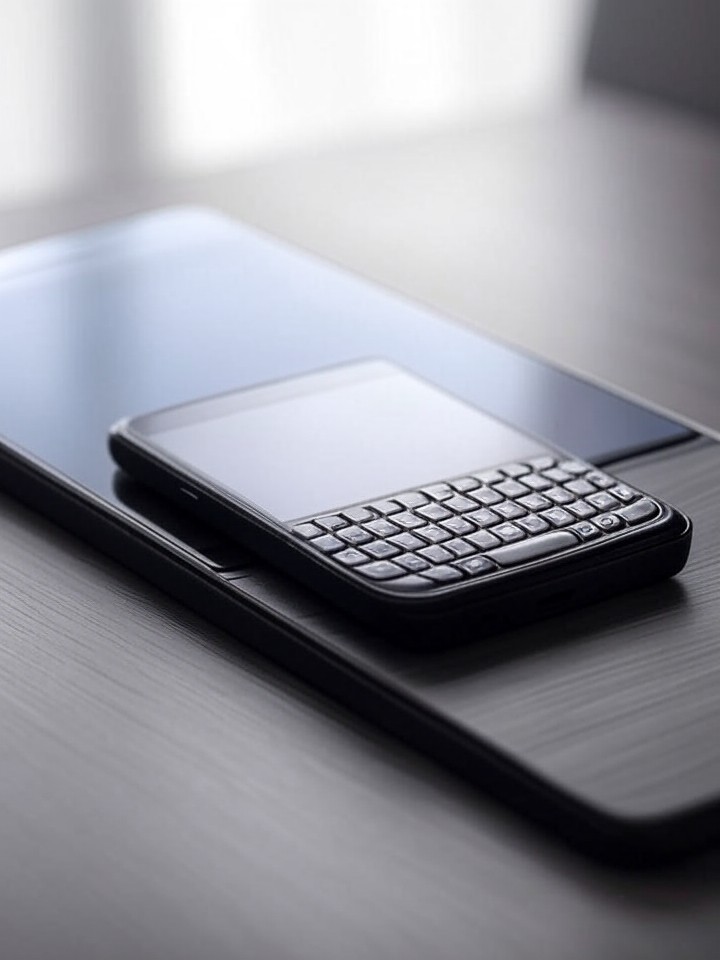
At its core, the Communicator is positioned not as a primary phone but as a secondary companion device. According to hands-on impressions from Android Authority, the device features a 4.03-inch AMOLED display that sits atop a touch-sensitive keyboard, blending old-school tactility with contemporary tech. The keyboard isn’t just for show; it’s engineered with customizable actuation, allowing users to adjust key press depth for a feel that mimics touchscreen responsiveness or delivers that satisfying click of physical buttons.
This design choice reflects a broader pushback against the all-encompassing nature of today’s smartphones. Clicks co-founder Michael Fisher, in an interview with Engadget, explained that the Communicator targets professionals and creators who crave focus. “It’s for those moments when you need to disconnect from the noise,” Fisher said, emphasizing its role in combating digital fatigue.
Design Philosophy and Hardware Highlights
The Communicator’s form factor is deliberately diminutive, measuring just tall enough to accommodate the keyboard without overwhelming the pocket. Recent posts on X highlight its specs: a 4nm MediaTek processor powers the device, paired with a 50-megapixel rear camera featuring optical image stabilization and a 24-megapixel front-facing shooter. A unique side-mounted voice recording button with an LED indicator adds to its utility, flashing colors to signal message priorities without demanding full screen engagement.
Critics and enthusiasts alike note the inclusion of retro features like a headphone jack, which CNET described as a nod to “features lost to time.” This isn’t mere nostalgia; it’s a calculated revival. The spacebar doubles as a fingerprint scanner, and the keyboard supports swipe gestures for scrolling, ensuring the display remains unobstructed during use.
Priced at $529, with early orders dipping to $429, the device runs Android 16 and promises two major OS updates. As detailed in a gallery from 9to5Google, its message-centric interface streamlines notifications, using color-coded cues to prioritize communications. This approach, users on X suggest, could appeal to executives juggling high-stakes emails amid constant distractions.
Market Positioning Amid Skepticism
Skepticism abounds, however. Some X posts question whether physical keyboards can compete in an era dominated by swift virtual inputs. One user argued that typing on digital keyboards often feels faster and more comfortable, attributing the hype to pure nostalgia rather than practical superiority. Yet, Clicks counters this by positioning the Communicator as a specialized tool, not a replacement for high-end slabs like the latest Pixels or Galaxys.
Hands-on prototypes at CES, as reported by TechCrunch, reveal a device that’s surprisingly ergonomic. The keyboard’s touch sensitivity allows for gestures like swiping to navigate emails or web pages, blending physical and touch interactions seamlessly. This hybrid functionality addresses common complaints about traditional keyboards feeling outdated in a gesture-driven world.
Moreover, the Communicator’s focus on minimalism extends to its software. It eschews bloatware, emphasizing core apps for messaging, calls, and note-taking. Engadget’s coverage of the CES unveiling notes that Clicks also introduced a new keyboard accessory alongside the phone, expanding their ecosystem for users who prefer attaching physical keys to existing devices.
Challenges in a Crowded Arena
Despite the buzz, the path forward isn’t without hurdles. Posts on X point out potential drawbacks, such as the single-camera setup in a market obsessed with multi-lens versatility. Watching widescreen videos on its square-ish display might feel constrained, limiting its appeal as an all-purpose gadget. Analysts wonder if this trade-off will deter broader adoption.
Clicks’ strategy draws from their prior success with keyboard cases for iPhones and Androids. As one X post from a tech enthusiast recalled, the company’s earlier products allowed customization of key actuation, a feature now refined in the Communicator. This evolution suggests Clicks is building on proven demand, with early reservation prices at $399 plus shipping indicating strong initial interest.
In comparison to past attempts, like the failed BlackBerry revivals, the Communicator differentiates itself by embracing its role as a “focus phone.” CNET’s hands-on piece highlights how it helps users “reclaim the tactile joy of the click,” positioning it against the “everything-at-once” overload of modern devices.
Innovation in User Experience
Diving deeper into the user experience, the Communicator’s notification system stands out. A side signal light uses color cues to flag urgent messages, reducing the need to constantly check the screen. This, combined with Qi2 wireless charging and wired options, makes it a practical secondary device for professionals on the go.
Feedback from CES attendees, echoed in X discussions, praises the keyboard’s build quality. The keys provide audible feedback, and the overall construction feels premium, belying its niche focus. Android Authority’s review notes the display’s vibrancy, with the AMOLED panel delivering sharp visuals despite its compact size.
However, battery life remains a point of curiosity. With a processor optimized for efficiency, early tests suggest it can handle a full day of messaging and light tasks, but intensive use might strain it. Clicks promises optimizations in future updates, leveraging Android’s flexibility to enhance power management.
Broader Implications for Smartphone Evolution
The Communicator’s launch at CES 2026 signals a potential shift toward specialized devices in a market saturated with generalists. Industry insiders see it as part of a growing trend where consumers seek tools for specific needs, from productivity boosters to detox aids. Posts on X from tech analysts draw parallels to minimalist phones like the Light Phone, but with the added allure of a physical keyboard.
Clicks’ co-founder elaborated in Engadget that the device is for “those who miss the focus of older phones but want modern capabilities.” This resonates with users nostalgic for BlackBerry’s heyday, when devices were tools rather than entertainment hubs.
Looking ahead, the Communicator could influence accessory makers. Its keyboard technology, with touch-sensitive surfaces, might inspire hybrid designs for mainstream phones. 9to5Google’s gallery showcases how the device integrates seamlessly with existing ecosystems, allowing data syncing via cloud services.
Competitive Edges and Future Prospects
What sets the Communicator apart is its unapologetic embrace of limitations as strengths. By forgoing high-end gaming or media consumption features, it hones in on communication, potentially appealing to writers, journalists, and executives who type extensively. X users have shared excitement over the voice recording button, envisioning it for quick memos during meetings.
TechCrunch’s prototype hands-on reveals responsive performance, with the MediaTek chip handling multitasking without lag. The inclusion of a notification LED harkens back to older Androids, a feature many miss in today’s bezel-less designs.
As reservations open, pricing will be a litmus test. At $429 for early birds, it’s competitively positioned against mid-range Androids, but its niche appeal might limit volume. Clicks’ expansion into full smartphones, as covered in their CES announcements, suggests confidence in scaling this concept.
Sustaining Momentum Beyond the Hype
Maintaining interest post-CES will be crucial. User sentiment on X is mixed, with some praising the innovation while others doubt its daily-driver potential. To succeed, Clicks must deliver on software updates and community feedback, perhaps adding more customization options for the keyboard’s sensitivity.
The device’s global availability, starting with 5G support in key markets, could broaden its reach. Android Authority reports positive initial impressions, noting how the physical keyboard enhances typing accuracy for long-form content.
Ultimately, the Clicks Communicator challenges the status quo, proving there’s room for tactile innovation in a touch-dominated realm. Whether it sparks a revival or remains a cult favorite, its debut at CES 2026 underscores a desire for devices that prioritize purpose over proliferation. As one X post aptly put it, it’s a bold step toward combating endless scrolling, one click at a time.


 WebProNews is an iEntry Publication