
Reviving Tactile Typing: The Clicks Communicator’s Bold Push Against Digital Distraction
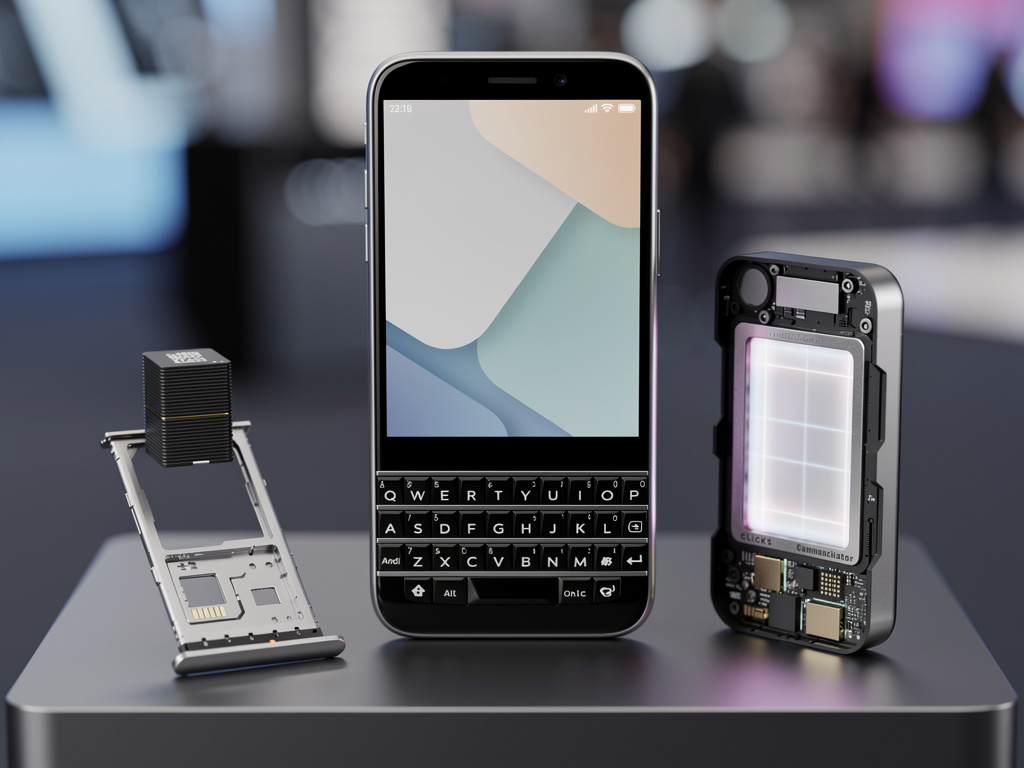
In an era dominated by sleek touchscreens and endless notifications, a new device is challenging the status quo by bringing back a relic from mobile history: the physical keyboard. The Clicks Communicator, unveiled by accessory maker Clicks Technology, isn’t just another smartphone—it’s positioned as a specialized companion tool designed to prioritize messaging and productivity over mindless scrolling. Launched amid buzz at CES 2026, this Android-powered phone harkens back to the BlackBerry days while incorporating modern twists like a customizable back panel and a headphone jack, aiming to carve out a niche for users seeking focus in a hyper-connected world.
Founded by former BlackBerry executives, Clicks Technology first gained attention with its keyboard cases for iPhones, which snapped on to provide tactile typing without relying solely on Bluetooth. Now, the company has expanded its vision with the Communicator, a standalone phone that runs a stripped-down version of Android 16. According to details from Android Authority, the device features a 3.5-inch display, a Qualcomm Snapdragon processor, and a silicon-carbon battery promising extended life, all packed into a compact form factor reminiscent of classic QWERTY handsets. Priced at $499 for early preorders (with a standard retail of $599), it’s not meant to replace your primary smartphone but to serve as a secondary device for communication-heavy tasks.
The Communicator’s custom launcher is a key differentiator, curating apps like WhatsApp, Telegram, Slack, and Gmail right on the home screen while omitting social media platforms that encourage passive consumption. This deliberate design choice reflects a growing sentiment among tech users frustrated with distraction-laden devices. As reported in a gallery feature by 9to5Google, the phone includes thoughtful hardware perks such as a notification LED, a physical mute switch, and expandable storage via SD card—features that have largely vanished from mainstream flagships.
A Nod to Nostalgia with Modern Engineering
Industry observers note that the Communicator’s appeal lies in its blend of retro aesthetics and contemporary functionality. The physical keyboard, a hallmark of Clicks’ products, offers backlit keys with customizable shortcuts, making it ideal for professionals who type extensively on the go. Unlike virtual keyboards that autocorrect aggressively or obscure screen real estate, this tactile setup provides precision and speed, potentially boosting efficiency for email-heavy workflows.
Beyond typing, the device incorporates innovative elements like a magnetic connector for accessories, including a new slide-out keyboard compatible with other phones like the Pixel 10. Coverage from TechCrunch highlights how Clicks is also debuting a $79 snap-on keyboard, expanding its ecosystem and positioning the company as a leader in reviving physical input methods. This move comes at a time when smartphone innovation has plateaued, with many manufacturers focusing on incremental camera upgrades rather than rethinking user interaction.
Sentiment on social platforms underscores this enthusiasm. Posts on X, formerly Twitter, reveal users reminiscing about BlackBerry’s heyday while praising the Communicator’s features like its headphone jack and SD card support. One tech enthusiast described it as the “perfect device in 2026” for its mix of old-school charm and cutting-edge battery tech, reflecting a broader desire for gadgets that combat digital overload without sacrificing utility.
Positioning as a Productivity Powerhouse
Clicks markets the Communicator as a tool for “taking action over distraction,” a philosophy evident in its compact design that fits easily in a pocket alongside a primary phone. An article from MacRumors explores its potential as an iPhone companion, allowing users to offload messaging to a dedicated device while keeping entertainment on their main handset. This dual-phone strategy could appeal to executives, writers, and remote workers who need uninterrupted focus during work hours.
Specifications-wise, the phone boasts 8GB of RAM, 128GB of base storage, and a 12MP rear camera—modest by today’s standards but sufficient for its communication-centric role. The inclusion of a silicon-carbon battery, which promises faster charging and longer lifespan compared to traditional lithium-ion, addresses common pain points in mobile tech. As detailed in a press release via GlobeNewswire, this battery tech enables all-day use without the bulk, making the device a practical choice for on-the-move professionals.
Comparisons to BlackBerry are inevitable, given Clicks’ roots. The Communicator evokes the tactile satisfaction of models like the Key2, but with Android’s flexibility and no bloatware. Reviews emerging from CES previews, such as those in CNET, suggest it’s not a full smartphone replacement but a “focus sidekick” that could reduce screen time on primary devices by handling quick responses and calls efficiently.
Challenges in a Touch-Dominated Market
Despite its innovative approach, the Communicator faces hurdles in a market where touch interfaces reign supreme. Adoption may be limited to niche audiences, such as journalists or lawyers who value rapid typing over multimedia prowess. Early feedback on X indicates excitement, with users calling it a “modern BlackBerry” and highlighting its customizable backs for personalization, but questions linger about software support and long-term viability.
Clicks’ strategy extends beyond the phone itself, with plans for compatible accessories like the aforementioned magnetic keyboard. An update from 9to5Google notes this slide-out option could broaden appeal, allowing users to add physical keys to existing devices without committing to a new phone. This modular thinking aligns with trends toward sustainable tech, where accessories extend gadget lifespans rather than encouraging frequent upgrades.
Moreover, the device’s work-focused ethos, as covered in Interesting Engineering, skips social apps to target productivity users. By curating a minimal app selection, it encourages intentional use, potentially setting a precedent for future “dumb phones” with smart capabilities. Industry insiders speculate this could influence larger players like Samsung or Google to revisit physical keyboards in specialized models.
Ecosystem Expansion and User Sentiment
Building on its iPhone keyboard success, Clicks is fostering an ecosystem that bridges nostalgia and innovation. X posts from tech bloggers express interest in reviewing the device, with one noting its potential to “kill doomscrolling” during office hours. This user-generated buzz complements formal coverage, painting a picture of a product that resonates with those weary of infinite feeds.
The Communicator’s hardware innovations, such as the notification LED and mute switch, revive features that enhance usability without overwhelming the user. Drawing from Engadget‘s CES report, these elements make it a compelling option for minimalists, though its $499 price tag might deter casual buyers. Preorders are already live, with early adopters securing discounts, signaling strong initial demand.
Looking ahead, the phone’s success could hinge on software updates and app compatibility. While it runs a custom Android launcher, full Google Play access ensures versatility, allowing users to install additional tools as needed. References back to Android Authority emphasize how this balance prevents the device from feeling restrictive, unlike some feature phones.
Broader Implications for Mobile Innovation
As the smartphone sector grapples with saturation, devices like the Communicator highlight a shift toward purpose-built gadgets. By focusing on communication, Clicks addresses a real need for tools that enhance rather than hinder productivity. X discussions reveal a mix of optimism and skepticism, with some users questioning if physical keyboards can compete against advanced on-screen alternatives like predictive text and voice input.
Nevertheless, the device’s debut at CES 2026 positions it as a conversation starter. Coverage from TechCrunch underscores its role in reviving BlackBerry-like experiences, potentially inspiring competitors to explore similar niches. For industry players, this could mean diversifying portfolios beyond all-in-one flagships to include specialized companions.
In the broader context, the Communicator represents a counter-narrative to the always-on culture. As noted in MacRumors, pairing it with an iPhone allows users to compartmentalize their digital lives—communication on one device, consumption on another. This approach might gain traction amid rising awareness of tech addiction, with studies showing reduced screen time leading to better mental health.
Sustaining Momentum in a Competitive Arena
To thrive, Clicks must navigate manufacturing and supply chain challenges, ensuring the Communicator’s build quality matches its premium positioning. Early previews from CNET praise its ergonomic design, but real-world testing will reveal if the keyboard withstands heavy use without wear.
User adoption stories emerging on X suggest it’s appealing to creative professionals, with one post lauding its tactile keys for drafting emails efficiently. This grassroots support could drive word-of-mouth growth, complementing Clicks’ marketing efforts.
Ultimately, the Communicator’s legacy may lie in sparking dialogue about intentional technology design. By blending heritage elements with forward-thinking features, it challenges the industry to reconsider what makes a phone truly “smart.” As more details unfold post-CES, its impact on mobile habits will become clearer, potentially influencing the next wave of device evolution.


 WebProNews is an iEntry Publication