
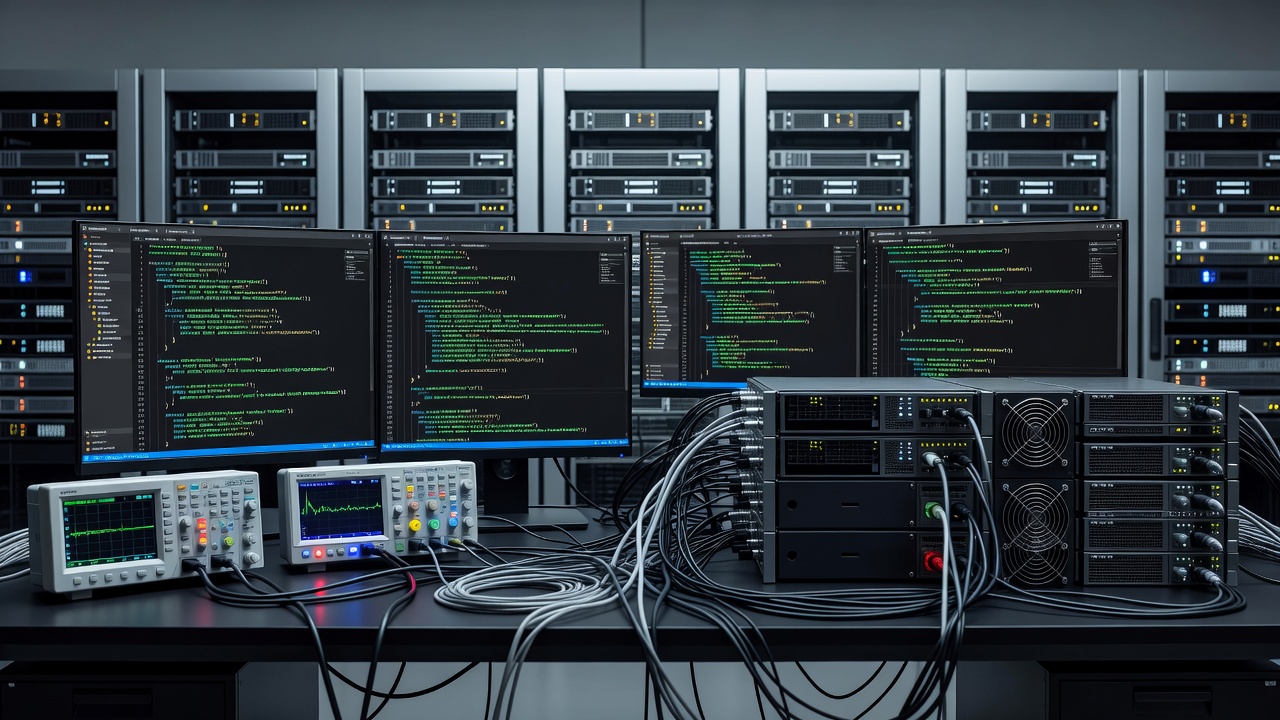

Perplexity decided it was paying too much for DynamoDB and didn’t have enough control over read performance, so it built its own database. CobbleDB is a roughly 40,000-line Rust key-value store that now handles part of Perplexity’s production search traffic. It was built in two months by two engineers working with hundreds of persistent AI coding agents, The New Stack reported. The agents weren’t given the keys to production.
What the agents did, and didn’t do
Perplexity’s engineering blog says it used an internal system that runs a swarm of persistent coding agents, which keep the project’s goals, active risks, repository history and prior decisions across sessions. The agents reviewed code and infrastructure changes, surfaced easy-to-miss blockers such as unsafe restore assumptions, stale build references and configurations that would fail at runtime, and prepared fixes, tests, monitoring changes and operational documentation. They also tracked CI and review gates and monitored rollouts and backup-and-restore exercises.
Production actions stayed “explicitly human-owned.” Engineers set the architecture, reviewed consequential changes and authorized production operations. The agents “handled much of the continuous inspection and follow-through between those decisions,” Perplexity wrote.
That split reflects a warning from Carnegie Mellon professor Andy Pavlo, who argued at Percona Live this year that databases are the hardest and most important challenge for AI agents, partly because mistakes involving production data can be hard or impossible to undo.
The results
Handling about 200,000 requests per second, CobbleDB recorded a median batch-read latency of 5.6 milliseconds, compared with 31.4 ms on DynamoDB before the cutover. At p99, latency fell from 123 ms to 24.2 ms. In later load testing it reached 500,000 requests per second before performance started to degrade. The two databases weren’t tested side by side on identical traffic, though.
Perplexity expects CobbleDB to cost at least 20% less than DynamoDB, an estimate that doesn’t include the engineering cost of supporting it. The design uses three replicas per partition, RocksDB on local NVMe and a stateless router, InfoQ noted. That means internal SREs now own node lifecycle, backup verification and rebalancing, and applications have to tolerate eventual consistency. Perplexity plans to open-source the database eventually.


 WebProNews is an iEntry Publication