
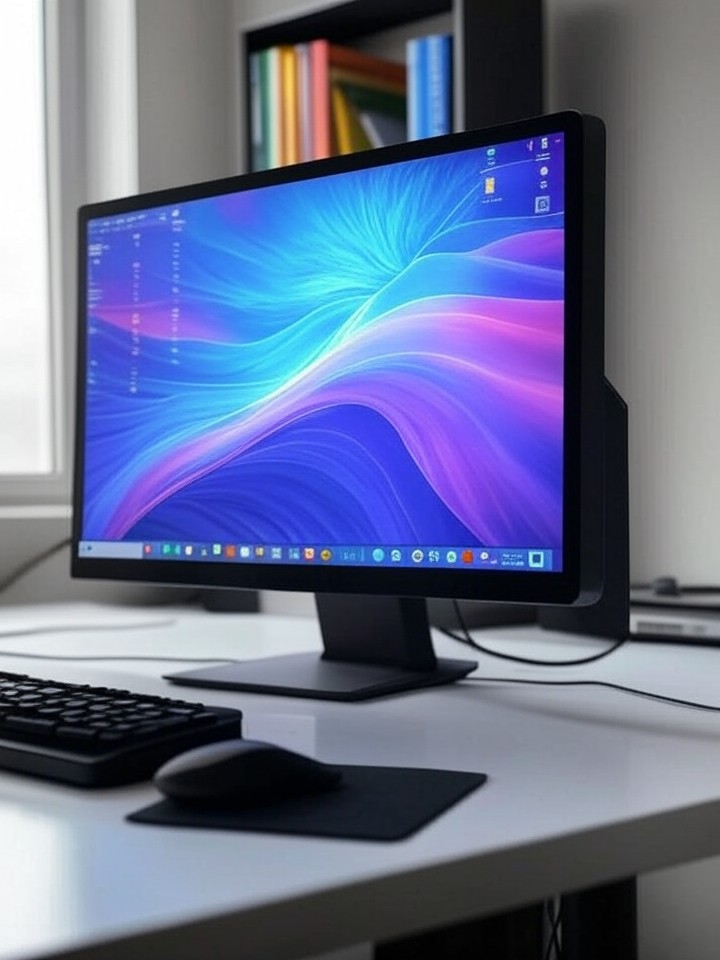
In the ever-shifting world of operating systems, a quiet revolution is unfolding as millions of users grapple with the obsolescence of their trusted software. Zorin OS, a Linux distribution engineered to mimic the familiarity of Windows, has surged to two million downloads in less than three months since its latest version launched in October 2025. This milestone coincides precisely with the end of free support for Windows 10, a move by Microsoft that has left countless devices vulnerable and users searching for viable alternatives. According to developers, over three-quarters of these downloads stem from Windows machines, signaling a significant migration wave that could reshape desktop computing dynamics.
The timing couldn’t be more fortuitous—or calculated. Windows 10, which powered an estimated 240 million PCs at the time of its support cutoff on October 14, 2025, now requires paid extended updates for security patches, pushing costs onto users whose hardware often doesn’t meet the stringent requirements for upgrading to Windows 11. Zorin OS 18, with its user-friendly interface and compatibility features, has positioned itself as a seamless bridge for those unwilling or unable to invest in new hardware or subscriptions. Industry observers note that this isn’t just about cost savings; it’s a broader pushback against planned obsolescence and restrictive upgrade paths.
Delving deeper, Zorin’s appeal lies in its deliberate design choices. The OS offers layouts that replicate Windows 10 and 11 aesthetics, complete with a start menu, taskbar, and desktop icons that feel instantly recognizable. It integrates tools like a built-in web apps manager, enhanced window tiling, and even OneDrive support, making the transition less daunting for productivity-focused users. Early adopters praise its stability on older hardware, where Windows 11’s TPM 2.0 and Secure Boot mandates often render machines ineligible.
The Migration Momentum Builds
This download surge isn’t isolated. Reports from various tech outlets highlight a pattern of discontent among Windows users. For instance, Windows Central detailed how Zorin OS 18 crossed the two-million mark with over one million defections from Windows, framing it as one of Linux’s most compelling growth narratives in 2026. The publication emphasized that most downloads occurred post-Windows 10’s end-of-life, with hardware limitations tightening the noose for many.
Echoing this, social media platforms like X (formerly Twitter) buzz with user testimonials and developer announcements. Posts from Zorin’s official account celebrated early milestones, such as 100,000 downloads in just two days, with 72% originating from Windows systems. Broader sentiment on X reveals a mix of frustration with Microsoft’s policies and enthusiasm for Linux alternatives, with users sharing stories of revitalizing decade-old laptops that would otherwise head to landfills.
Analysts point to economic factors amplifying this shift. The global push for sustainability intersects with rising hardware costs, making Linux distributions like Zorin attractive for extending device lifespans. In regions where new PCs are prohibitively expensive, this migration could accelerate, potentially eroding Microsoft’s market share in consumer segments.
Linux’s Long Game in Desktop Dominance
Historically, Linux has thrived in servers and embedded systems but struggled for desktop traction due to perceptions of complexity. Zorin OS challenges this by prioritizing ease of use, drawing from Ubuntu’s foundation while adding polished customizations. Features like the Zorin Appearance tool allow users to tweak the interface to resemble macOS or other styles, broadening its appeal beyond Windows refugees.
Comparisons to other distributions abound. While Ubuntu and Linux Mint also court Windows switchers, Zorin’s focus on visual fidelity sets it apart. A TechRepublic article reported that more than three-quarters of Zorin’s two million downloads came from Windows users, attributing the spike to upgrade barriers. This data aligns with developer claims of unprecedented growth, with over 780,000 Windows migrations in the initial five weeks alone.
On the enterprise side, businesses facing fleet-wide Windows 10 retirements are eyeing Linux for cost efficiency. Though Zorin targets consumers, its success could inspire corporate variants or influence larger players like Red Hat. Industry insiders speculate that if this trend persists, Microsoft might need to reassess its hardware requirements to stem the outflow.
Challenges and Critiques in the Switch
Not all transitions are smooth. Users accustomed to Windows-specific software may encounter compatibility hurdles, though Zorin’s inclusion of Wine and Proton layers helps run many applications. Gaming, a sticking point for Linux, sees improvements via Steam integration, but gaps remain for niche programs. Support forums on X reflect this, with posts advising on driver installations and dual-boot setups.
Critics argue that while Zorin lowers barriers, it doesn’t fully address Linux’s fragmentation. Multiple distributions can confuse newcomers, and without unified marketing, growth might plateau. Yet, positive buzz on platforms like X, where tech enthusiasts share success stories, counters this by building community momentum.
Microsoft’s response has been muted, focusing on promoting Windows 11 and its AI-driven features like Copilot. However, internal memos leaked in tech circles suggest concern over open-source encroachment, especially as Windows’ market share dips below 70% in some metrics for the first time in decades.
Broader Implications for Tech Ecosystems
Zooming out, Zorin’s ascent underscores a pivotal moment in software evolution. As proprietary systems impose more controls—think subscription models and hardware locks—open-source alternatives gain ground by emphasizing freedom and longevity. This mirrors trends in mobile, where Android’s openness contrasts with iOS’s walled garden.
Economic analyses, such as those in Tom’s Hardware, highlight how over a million downloads in a short span signal challenges to Microsoft’s dominance. The piece noted Zorin’s Windows-like interface as a key draw, with developers estimating 780,000 Windows users opting for Linux instead of upgrading.
Education plays a role too. Online tutorials and YouTube channels have demystified Linux installation, making it accessible to non-technical users. Zorin’s own resources, including a migration guide, further ease the process, contributing to its viral spread.
User Stories and Future Projections
Personal anecdotes illuminate the human element. On X, a post from a user dubbed “Keyboard Warrior” lamented Windows upgrade woes and touted Linux as a lifeline for older machines. Similarly, tech blogs recount tales of families reviving dusty PCs for schoolwork, avoiding the e-waste crisis exacerbated by Windows 10’s sunset.
Looking ahead, projections from sources like PC Guide suggest Zorin could hit even higher numbers if Microsoft doesn’t loosen Windows 11 requirements. The article reported 1.5 million Windows users trying Zorin OS 18 since launch, framing it as a direct beneficiary of support cessation.
For developers, this influx means more feedback loops, potentially accelerating updates. Zorin OS 18’s features, like improved multitasking and app compatibility, were refined based on user input, setting a model for community-driven development.
Strategic Shifts in Software Strategy
Microsoft’s ecosystem, built on hardware partnerships and cloud integration, faces subtle threats from such migrations. While enterprise remains loyal, consumer defections could pressure pricing models. Insiders whisper of potential Windows 11 lite versions or relaxed specs to recapture users.
Conversely, Linux advocates see this as validation. Distributions like Zorin aren’t just alternatives; they’re proving grounds for innovation without corporate oversight. Integration with emerging tech, such as AI tools running natively, could further entice switchers.
Global variations add layers. In developing markets, where Windows piracy was once rampant, free Linux options like Zorin offer legal, secure paths. Reports from international outlets, including a French piece on 01net, note the OS surpassing two million downloads in three months, driven by Windows 10’s end.
The Road Ahead for Open-Source Triumphs
As 2026 unfolds, Zorin’s trajectory will be closely watched. If downloads continue climbing—perhaps fueled by word-of-mouth on X, where posts from outlets like TechRepublic amplify the news— it could inspire a wave of Linux refinements tailored to ex-Windows users.
Challenges persist, from hardware driver support to app ecosystems, but the momentum is undeniable. For industry players, this isn’t merely a download statistic; it’s a barometer of user empowerment in an era of tightening tech controls.
Ultimately, Zorin’s story reflects a broader quest for choice. As users vote with their downloads, the desktop arena may see more balanced competition, benefiting everyone from casual users to enterprise architects.


 WebProNews is an iEntry Publication