
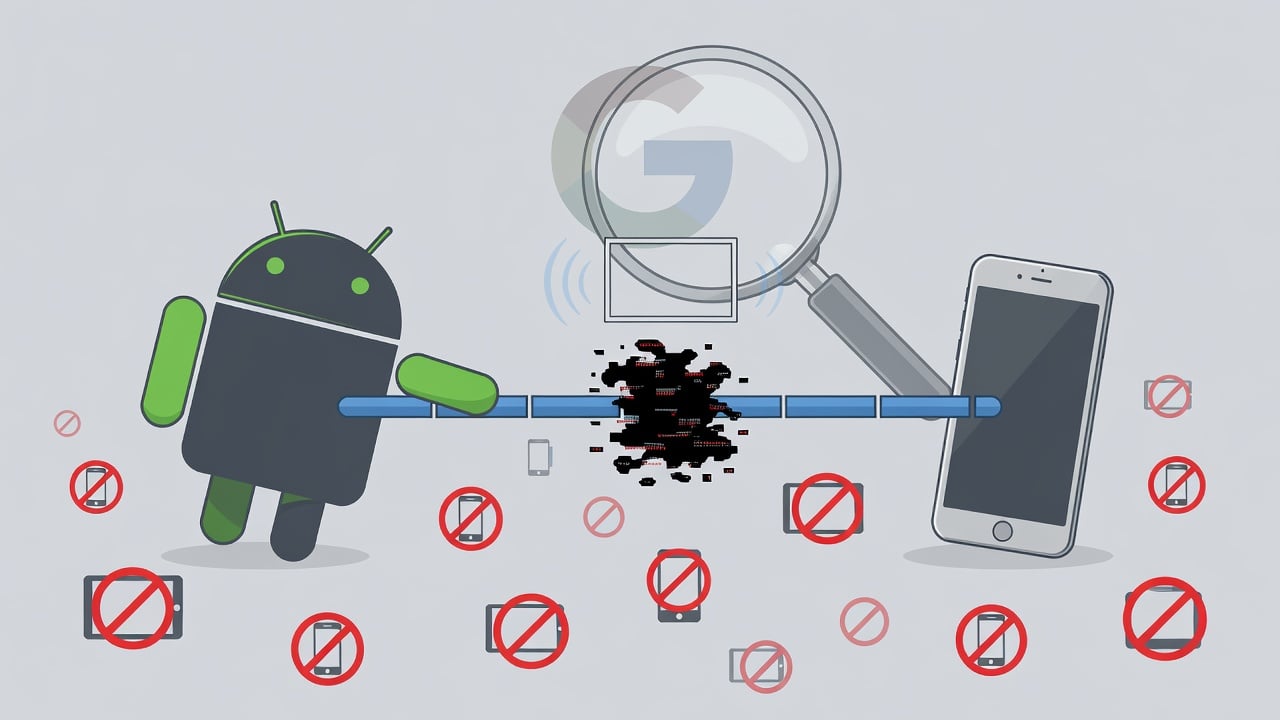
Users trying to watch a video then check email or scroll social media hit a wall this week. The floating window that once followed them across apps simply refused to show. Audio played on. The picture stayed trapped inside the YouTube app. Reports flooded in from iPhone and Android owners alike. Google confirmed the problem and said its teams were working on a fix.
The outage arrived at an awkward moment. Earlier this year YouTube opened picture-in-picture playback to everyone. No subscription needed. The move aimed to boost engagement. Instead it left many longtime fans frustrated. One moment a sports highlight runs in a corner while you reply to messages. The next the highlight vanishes. Only sound remains. And the experience feels broken.
TeamYouTube posted the first official word on X. “Hey everyone, we’re aware of an issue where Picture-in-Picture (PiP) isn’t turning on when exiting the YouTube app (primarily on iOS). Our teams are on it and working on a fix.” The post linked to a support thread that quickly filled with hundreds of similar stories. Some users noticed the bug after a recent app update. Others traced it to specific device models or iOS versions. Patterns proved hard to pin down. The issue struck both premium subscribers and free accounts.
TechRadar broke the story early. Its report captured the sudden spread across platforms. “YouTube picture-in-picture (PiP) mode on Android and iOS is one of the most useful features the app offers — available to all users now, Premium or otherwise — but a widespread bug seems to have broken the functionality on phones.” The piece quoted Google saying it was “actively investigating.” No timetable appeared. No root cause emerged. The article noted that the floating player had become standard only months earlier, turning a once-paid perk into an expectation. Its sudden disappearance felt especially jarring.
Moneycontrol followed with its own take. The publication detailed the exact symptom. “Some users are experiencing a bug that prevents the floating video player from appearing after they leave the YouTube app, even though audio playback continues in the background.” Executives at Google offered no additional comment beyond the support forum statement. The story highlighted how the problem affected daily multitasking for students, commuters and professionals who rely on the feature during conference calls or while cooking.
Thenextweb.com added context on timing. Its coverage pointed out that the bug surfaced shortly after YouTube expanded free access. “Picture-in-picture was one of YouTube Premium’s most popular features before Google made it available to all users earlier this year. It lets viewers keep watching a video in a small floating window while using other apps.” The report stressed that no workaround existed yet. Users simply waited. That wait tested patience already stretched by other platform changes, including heavier ad loads and shifting recommendation algorithms.
Complaints poured onto Reddit and X. One user wrote simply, “I thought I was the only one, Picture in Picture not working on youtube for IOS.” Threads filled with screenshots of audio progressing while the video player stayed invisible. Device restarts, cache clears, app reinstalls and permission toggles produced mixed results. Some saw temporary relief. Most did not. Android users reported similar failures despite different underlying system controls. iOS users pointed to Settings > General > Picture in Picture as properly enabled yet still ineffective inside the YouTube app.
Support pages from Google itself now carry warnings. The official help document for Android instructs users to verify permissions under Apps > YouTube > Picture-in-picture. On iOS the equivalent lives in system settings. Neither path resolves the current server-side or client regression. WikiHow and Tenorshare published updated troubleshooting lists in recent days. Both emphasize enabling the feature at OS level and inside the app. They also suggest force quitting, updating the app, or trying the web version in Chrome. Those steps help some. They fail for many caught in this specific outage. The guides link directly to the growing support thread where Google first admitted the scope.
Industry watchers see broader implications. YouTube dominates mobile video. Its reliability influences how people consume news, education and entertainment. A feature once reserved for paying customers became universal. Then it stopped working for a large slice of the audience. The episode recalls past service disruptions that drew regulatory attention or prompted users to test rival apps. DuckDuckGo saw traffic spikes after Google search changes. Similar dynamics could play out here if the outage lingers. For now the community waits on an update that has not arrived.
Developers familiar with video playback frameworks point to possible causes without confirmation. Changes to background execution policies, notification handling or media session APIs sometimes break PiP unintentionally. Android’s split between system PiP and app-specific implementations adds complexity. iOS ties the feature tightly to AVPlayer and requires precise handling of delegate callbacks. A single mismatched flag in a library update could trigger exactly this behavior. Audio decouples from video rendering. The player thinks it succeeded. The overlay never materializes. Such bugs often surface after seemingly unrelated optimizations.
Google has not shared code-level details. Its statement remains brief. “Our teams are actively investigating the issue.” The company rarely discloses timelines for client-side fixes. Past incidents suggest a server-side patch could roll out within days. Client updates would follow on app store schedules. Users on older app versions might stay affected longer. Beta testers already report early builds with restored behavior, though Google has not confirmed those reports publicly.
The free rollout of PiP earlier in 2026 carried marketing weight. Announcements framed it as a gift to the community. Delivery of that gift now stalls. Frustration builds. Commenters on X and Reddit mix annoyance with understanding. Many note that software ships with flaws. They still expect core features to return quickly. Others question why a service generating billions in revenue cannot prevent such widespread regression. The contrast between AI investments and basic playback stability draws sharp remarks. Those criticisms may fade once the fix lands. They linger while the bug persists.
Alternative viewing methods offer limited relief. Browser-based YouTube on mobile sometimes triggers system-level PiP on both platforms. Results vary by browser and video type. Shorts rarely support the mode. Livestreams behave differently. Users seeking consistent experience return to the native app and find the same failure. Third-party clients risk account bans and often lack full feature parity. No clean escape exists today.
Analysts tracking platform trust rank YouTube high on video but note growing sensitivity to reliability. One broken convenience feature rarely sinks a product. Repeated stumbles do. This incident tests how quickly Google can restore confidence. The support thread now exceeds a thousand replies. New posts arrive hourly. Each one reinforces the scale. Google reads them. So far the company has not posted further updates beyond the initial acknowledgment.
Expect a patch soon. Mobile video consumption shows no signs of slowing. Picture-in-picture remains a differentiator against competitors still charging for the same capability. Its temporary loss reminds everyone how deeply the small floating rectangle integrated into daily routines. When it returns the moment will feel ordinary again. Until then users improvise. They watch full screen. They switch apps less often. They wait. And they wonder why something that worked yesterday suddenly does not.


 WebProNews is an iEntry Publication