
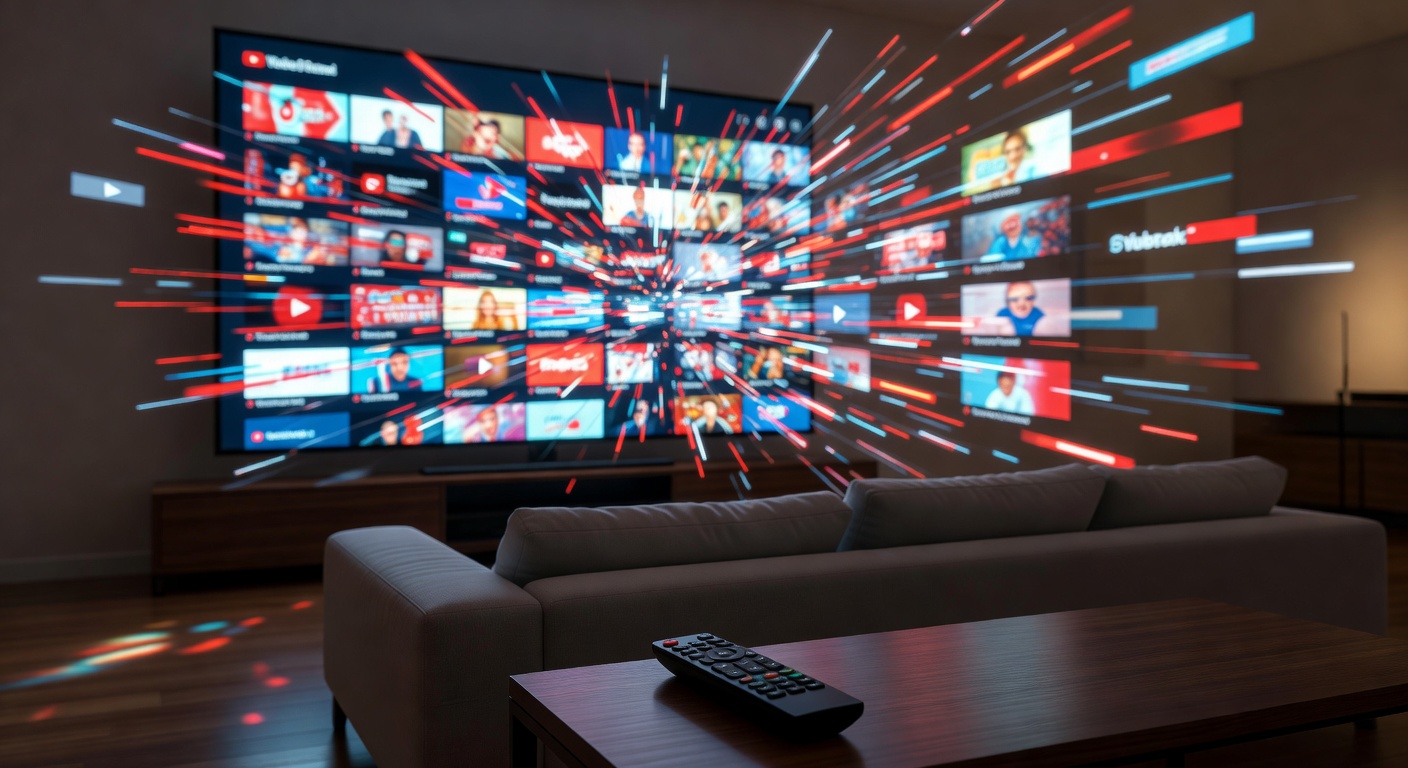
Andy Boxall sits on his couch, Apple TV remote in hand. He finishes a video. No pause. The next one blasts immediately. That’s YouTube’s new instant autoplay on televisions—a corner thumbnail pops up 20 seconds early, then bam, full playback. No choice. No buffer. Just relentless feed. Boxall calls it infuriating in Android Police. He’s not alone.
The old system offered mercy. Videos ended. A panel appeared with suggestions and a countdown. Users could cancel, browse below, or let it roll. Relaxed. Intentional. Now? Gone. Dismissing the preview hides it, sure. But the video plays anyway. Exit to the home screen or suffer. Boxall keeps his thumb poised on back. Distracted. Tired. YouTube on TV isn’t TikTok, he argues. Viewers want control, not bombardment.
Google pushes this amid booming TV usage. Some 180 million Americans will stream YouTube on connected TVs this year. Half of the UK’s audience already does, per 2025 figures cited by Boxall. Research likely shows drop-offs at video ends. Instant autoplay hooks them back, inflating watch time. Metrics soar. Users? They seethe. A Reddit thread linked in the piece fills with complaints. What flies on phones flops on sofas.
And it’s spreading frustration. Tutorials flood YouTube itself—’How to Turn Off Autoplay 2026′ videos rack up views. One commenter rages: ‘That Autoplay button is gone; YouTube changed it this way to force us to watch random video after video now!’ from a guide on disabling it. Another: ‘Why do they have to jerk me around again by changing the way our system works!? Why is it hard to turn off?’ Disabling kills the whole feature. Fine for some. Boxall liked it occasionally, say for music queues. Now he sacrifices.
But wait. This isn’t isolated. Broader autoplay gripes echo. Android Authority reported last year on videos auto-starting despite toggles off—possibly tests, definitely disliked. Users blamed algorithm tweaks. ‘It’s screwing with my algorithm,’ one Redditor said. Hollyland’s tech blog notes persistent playback bugs, even post-disable, sparking suspicions of deliberate design to boost engagement. Premium or not, the chain keeps rolling.
On X, the backlash simmers. Android Police’s post on the article drew quick nods. Users vent about auto-dubs overriding audio, background echoes from rogue plays, even Premium experiments like auto-speedup irking creators. One post: ‘I HATE HOW YT PLAYS THE AUTO-DUB AUDIO TRACK AUTOMATICALLY.’ Another: ‘Autoplay causes video to play in the background automatically, causing audio echo.’ TV-specific fury aligns with Boxall—ruining deliberate viewing.
Google stays silent. No blog post announces the change. No FAQ details opts. Users hunt settings: profile icon, playback, toggle off. But for TV apps like Apple TV, Roku, it’s uniform pain. Mobile previews—with sound—drew ire years back, per older Chrome Unboxed pieces, forcing mental rushes. Now TV gets the full treatment. Why? Ad revenue ties to time spent. Longer sessions mean more impressions. Half measures like previews evolved to instant jumps.
Industry watchers see patterns. YouTube chases Shorts’ endless scroll success. TV watch time hit records—over 1 billion hours daily across devices. Yet control slips. Creators suffer too; algorithms favor binge bait. Viewers adapt or flee. Boxall disables. Others script blocks, per Reddit tips for browsers. But mass exodus? Unlikely. Addiction wins.
Fixes exist, barely. Dive into app settings under playback and downloads. Toggle ‘Autoplay next video’ off. On TVs, same path via remote. Clears sometimes, per YouTube help forums. Cache issues or VPNs complicate. Still, many report it ignores the switch. Google tweaks quietly, A/B tests roll out. Premium users pay for ad-free, not this.
Boxall nails the shift. TV YouTube was deliberate. Now it’s ambush. Remote warriors rise. Google banks on inertia. But fury builds. Will they relent? Or double down? Watch time ticking.


 WebProNews is an iEntry Publication