
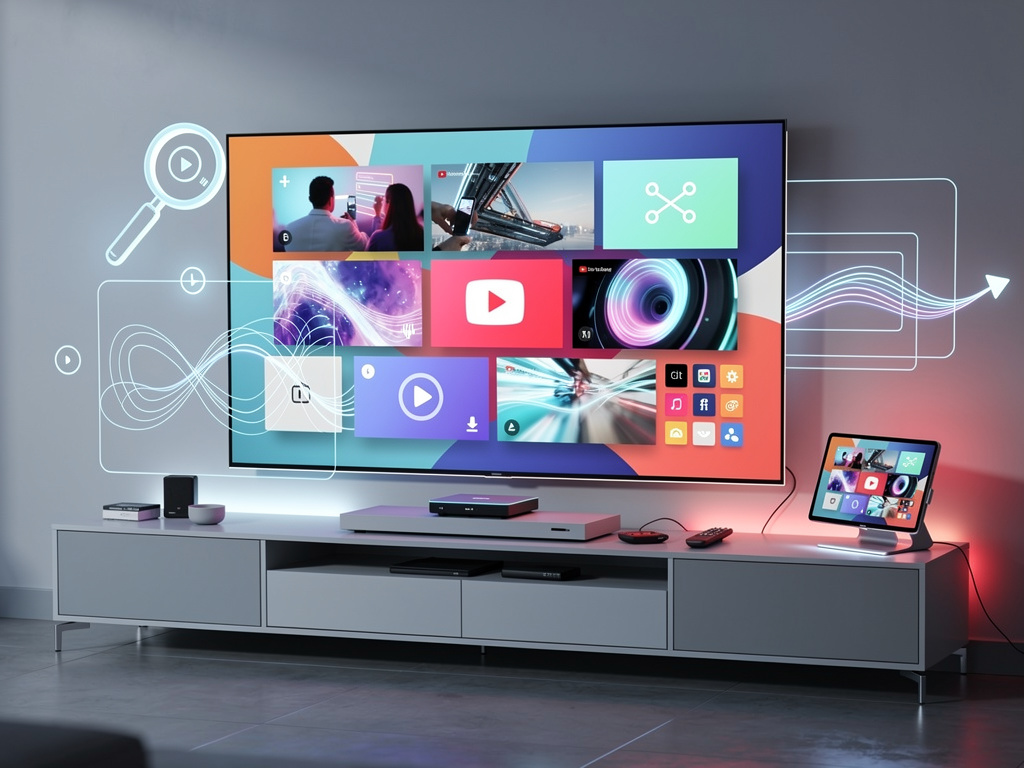
YouTube’s Living Room Revolution: Decoding the 2025 TV App Overhaul
In the ever-evolving world of streaming services, YouTube has long positioned itself as a dominant force, but its television interface has often lagged behind the sleek experiences offered by competitors. Now, as we approach the platform’s 20th anniversary, a sweeping redesign is set to transform how millions interact with YouTube on their largest screens. Announced in late 2024 and rolling out progressively through 2025, this update promises a more intuitive, immersive viewing environment tailored for smart TVs, streaming devices, and gaming consoles. Drawing from user feedback and technological advancements, the changes aim to bridge the gap between mobile-first design and big-screen usability, potentially reshaping viewer habits in homes worldwide.
At the heart of this overhaul is a revamped video player that adapts dynamically to content types, whether it’s a high-energy sports broadcast, a serene music video, or an educational tutorial. According to reports from The Verge, the new interface minimizes disruptions by reorganizing on-screen controls into streamlined sections below the video scrubber. This includes quick access to chapters, key moments, and comments, all without obscuring the main action. The update also introduces adaptive layouts that adjust based on the video’s aspect ratio and genre, ensuring that live events feel more engaging with real-time stats overlays, while narrative content benefits from subtler navigation tools.
Industry insiders note that this redesign isn’t just cosmetic; it’s a strategic move to boost engagement amid intensifying competition from services like Netflix and Disney+. By making the TV app more responsive and user-friendly, YouTube is betting on increased watch time, which directly translates to higher ad revenue and subscriber retention for its premium offerings. Early adopters have praised the cleaner aesthetic, which echoes modern design principles seen in Apple’s tvOS or Roku’s latest interfaces, but with YouTube’s signature emphasis on creator-driven content.
Navigating the New Interface: Core Features and User-Centric Innovations
One standout feature is the enhanced multiview capability, allowing users to watch multiple streams simultaneously on a single screen. As detailed in Industry Leaders Magazine, this isn’t limited to sports anymore; users can customize multiview setups for news, gaming, or even mixing live TV with on-demand videos. This flexibility addresses a common pain point for households juggling multiple interests, such as watching a game while keeping an eye on breaking news. The redesign incorporates smarter algorithms to suggest multiview combinations based on viewing history, making it easier for casual users to dive in without manual setup.
Beyond multiview, the update brings significant improvements to search and discovery. Drawing from posts on X (formerly Twitter), where creators and viewers alike have buzzed about the changes, the new search function leverages advanced AI to provide more relevant results, including voice-activated queries that feel natural on TV remotes. For instance, saying “show me cooking tutorials with Italian recipes” now pulls up personalized recommendations with high-resolution thumbnails, a nod to the increased file size limit for uploads mentioned in updates from YouTube’s official channels. This ties into broader enhancements for content creators, who can now upload sharper thumbnails up to 50MB, ensuring their videos stand out in the crowded TV grid.
Accessibility has also received a boost, with features like improved subtitle rendering and color contrast options that cater to a wider audience. Reports from TechRadar highlight five key upgrades, including a “more cinematic” full-screen mode that reduces bezels and distractions, creating an experience akin to a home theater. These changes are particularly timely as smart TV adoption surges, with YouTube aiming to capture more of the living room market share currently dominated by traditional cable providers.
Themed Packages and Subscription Shifts: A Modular Approach to Content
Looking ahead, YouTube TV’s 2025 plans include the launch of over 10 themed subscription packages, starting with a dedicated sports bundle. As outlined in Mint, this modular system allows users to pick and choose genres like entertainment, news, or family programming, potentially at lower costs than the all-in-one base plan. The sports package, for example, will feature major broadcasters and ESPN networks, offering live games, highlights, and exclusive analysis without forcing subscribers to pay for unwanted channels.
This shift toward customization reflects a broader trend in the streaming industry, where consumers demand flexibility amid rising prices. Insiders speculate that by breaking down its offerings, YouTube could attract cord-cutters who balk at comprehensive bundles, much like how Hulu and Sling TV have experimented with add-ons. However, challenges remain, such as ensuring seamless integration across devices and avoiding fragmentation that might confuse users. Early feedback from X users suggests excitement for genre-specific plans, with some creators already teasing content tailored to these niches.
Moreover, the redesign incorporates e-commerce elements more prominently, with timed shopping integrations that appear during relevant videos. For shopping vloggers or product reviewers, this means direct links to purchase items without leaving the app, a feature that could revolutionize how brands engage with TV audiences. As YouTube continues to blur the lines between entertainment and commerce, this update positions it as a one-stop hub for discovery, viewing, and buying.
Technical Underpinnings: From Upscaling to AI-Driven Enhancements
Under the hood, the 2025 redesign leverages cutting-edge technology to elevate older content. Posts from X, including those from YouTube’s liaison accounts, reveal plans to upscale standard-definition videos to 1080p, breathing new life into archival footage without requiring expensive hardware upgrades. This AI-powered upscaling, similar to techniques used in high-end TVs, ensures that classic clips from YouTube’s early days look crisp on modern 4K displays, appealing to nostalgic viewers and long-time creators.
The interface’s responsiveness has been fine-tuned for various hardware, from budget streaming sticks to premium smart TVs. According to Stuff, the minimalistic design reduces load times and simplifies navigation, with gesture-based controls for touch-enabled remotes. This is crucial for retaining users who might otherwise switch to faster apps, and it aligns with Google’s broader ecosystem, integrating seamlessly with Android TV and Google TV platforms.
For developers and tech enthusiasts, the update opens doors to new APIs that allow third-party integrations, potentially enabling custom apps or voice assistants to interact more deeply with YouTube’s TV ecosystem. While not all details are public, hints from community forums suggest enhanced support for HDR content and variable refresh rates, ensuring smoother playback during fast-paced action.
Market Implications: Competing in a Crowded Field
As YouTube rolls out these changes, the competitive dynamics in the streaming sector intensify. Rivals like Amazon Prime Video and Paramount+ have invested heavily in TV-optimized experiences, but YouTube’s vast library of user-generated content gives it a unique edge. Analysts predict that the redesign could increase TV viewership by 20-30%, based on similar updates in the past, driving more premium subscriptions and ad impressions.
However, not all reactions are glowing. Some X users have voiced concerns about increased ad placements in the new layout, echoing complaints from earlier interface tweaks. YouTube has responded by emphasizing opt-in features for ads, but the balance between monetization and user satisfaction remains a tightrope. Additionally, the phased rollout means not everyone will see changes immediately, potentially leading to a fragmented experience across regions.
For industry players, this overhaul signals YouTube’s commitment to long-form viewing on TVs, where sessions often last longer than on mobile. By prioritizing immersion and personalization, the platform is positioning itself not just as a video site, but as a comprehensive entertainment ecosystem.
Creator Opportunities and Challenges in the Redesigned Era
Creators stand to benefit immensely from the TV-focused updates. With sharper thumbnails and immersive channel previews, as noted in posts from vidIQ on X, video makers can expect higher click-through rates on big screens. The increased emphasis on live content, complete with real-time chat integrations, fosters community building in ways previously limited to desktops.
Yet, adapting to the new format requires effort. Creators may need to optimize videos for TV aspect ratios, incorporating elements like on-screen text that’s legible from a distance. YouTube’s own creator tools have been updated to include TV simulation modes, helping users preview how content will appear on larger displays.
Looking forward, the introduction of genre packages could create specialized niches, encouraging creators to produce targeted series that fit into bundles like “Adventure Travel” or “Tech Reviews.” This could democratize access to premium features, allowing smaller channels to gain visibility without relying solely on algorithms.
Global Rollout and Future Horizons
The redesign’s global rollout is underway, with initial availability in key markets like the US and Europe, expanding to Asia and beyond by mid-2025. Based on insights from YouTube Community, user testing has been extensive, incorporating feedback loops to refine features iteratively.
In terms of hardware compatibility, the update supports a wide array of devices, from older Roku models to the latest Apple TV 4K. This inclusivity is key to YouTube’s strategy, ensuring that even budget-conscious consumers can enjoy the enhancements without upgrading their setups.
As the year progresses, expect more announcements, possibly including AR integrations or social viewing modes that let friends watch together remotely. These potential additions, hinted at in tech circles, could further solidify YouTube’s role in the future of home entertainment.
Strategic Insights for Stakeholders
For advertisers, the redesigned app offers richer targeting options, with contextual ads that align with video genres and viewer moods. This precision could command higher premiums, especially in live sports packages where engagement peaks.
Investors eyeing Alphabet Inc., YouTube’s parent company, should monitor metrics like average session duration on TVs, as improvements here could signal robust growth. Amid economic uncertainties, such innovations help differentiate YouTube in a saturated market.
Ultimately, this 2025 overhaul represents a pivotal evolution, blending technology with user needs to redefine big-screen streaming. As viewers and creators adapt, the platform’s influence on daily entertainment habits is poised to expand, setting new standards for the industry.


 WebProNews is an iEntry Publication