
YouTube has introduced a significant update to how creators can organize and present their video content, allowing them to transform regular playlists into structured shows complete with episodes and seasons. This change addresses long-standing requests from content makers who wanted better tools to build serialized viewing experiences similar to traditional television formats. According to a report from Mashable, the platform now gives creators the option to convert existing playlists into dedicated shows that viewers can follow more easily.
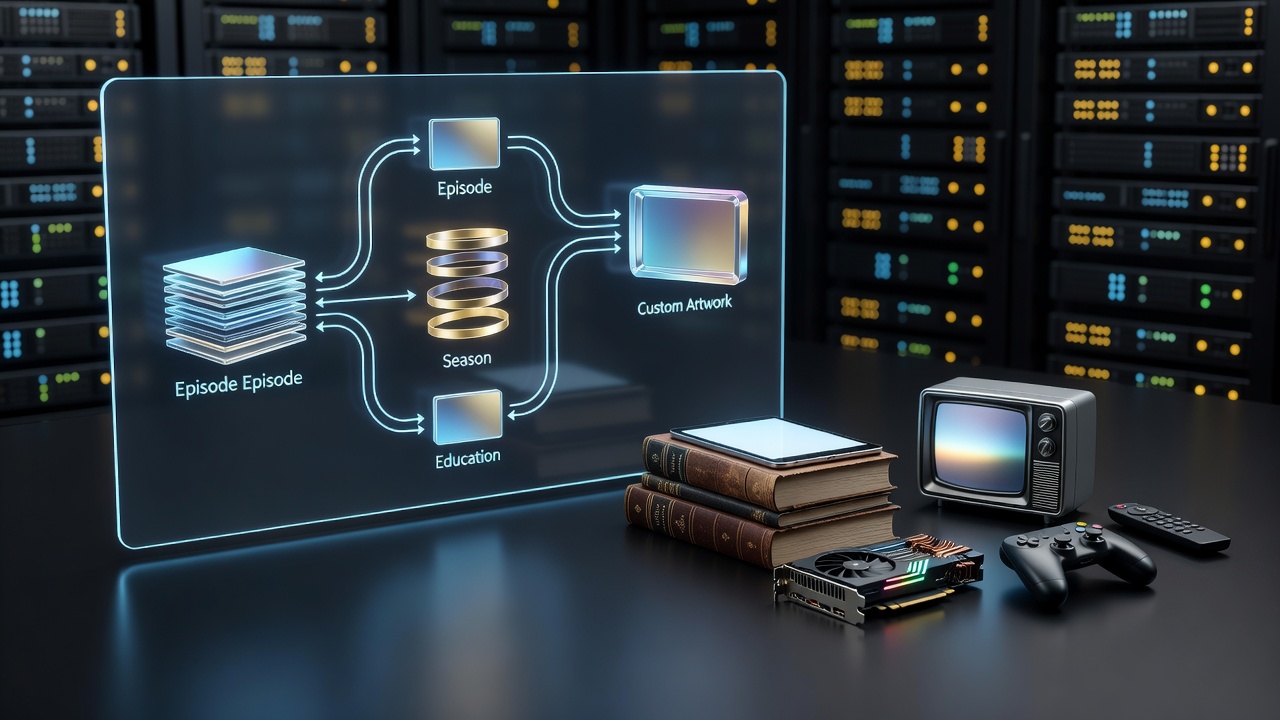
The new feature arrives at a time when many YouTube channels produce content in series format. Whether cooking channels releasing weekly recipe videos, educational creators building curriculum-style lessons, or entertainment channels developing ongoing storylines, the ability to frame these as proper shows helps organize viewer expectations. Creators can now assign episode numbers, season designations, and even custom artwork that appears consistently across the series. This structured approach makes it simpler for audiences to pick up where they left off or discover older content in the intended sequence.
For viewers, the update means improved discovery and navigation. When a playlist becomes a show, YouTube displays it with clear episode listings, auto-play functionality that respects the proper order, and prominent placement in the channel’s main navigation. The platform automatically generates a show page that collects all related episodes while maintaining the familiar playlist interface that users already understand. This dual presentation benefits both new visitors who might prefer the show format and returning fans who have bookmarked specific playlists.
Content creators have welcomed the development, particularly those who have spent years managing complex content calendars. Independent filmmakers using YouTube as a distribution platform can now present their web series with proper season breakdowns. Documentary channels gain the ability to group investigative pieces into seasonal arcs that build upon previous findings. Gaming channels can organize their playthroughs, challenges, and lore videos into coherent shows that guide viewers through expansive content libraries.
The technical implementation allows for flexibility while maintaining simplicity. Creators access the feature through their YouTube Studio dashboard where they can select any existing playlist and convert it to show format. Once converted, they can add metadata including season titles, episode numbers, and descriptions that carry over to the video pages themselves. The system supports both ongoing series that release new episodes regularly and completed series that benefit from retrospective organization.
This development reflects broader changes in how people consume video content online. As attention spans fragment across numerous platforms and devices, structured formats help retain viewer interest by providing clear pathways through extensive catalogs. Research from various industry analysts shows that serialized content tends to generate higher completion rates and stronger audience loyalty compared to standalone videos. YouTube appears to be responding to these consumption patterns by giving creators better tools to capitalize on them.
Implementation details suggest careful consideration of creator workflow needs. The conversion process preserves all existing viewer data, comments, and analytics associated with the original playlist. Creators maintain full control over which playlists become shows and can revert the changes if needed during the initial rollout period. The platform also provides guidance materials to help users understand best practices for structuring their content as shows rather than simple collections.
Smaller channels stand to benefit particularly from this update. While large networks and established creators have developed sophisticated branding systems over time, independent voices often struggle to communicate the interconnected nature of their videos. The show format offers a standardized way to signal that videos belong together in a larger narrative or educational progression. This standardization can help these channels compete more effectively in recommendation algorithms that increasingly favor well-organized content.
Educational content creators have expressed particular excitement about the possibilities. Teachers and professors using YouTube to supplement classroom materials can now organize entire courses as seasons with clearly numbered lessons. Language learning channels can structure their programs as progressive shows that build vocabulary and grammar concepts systematically. The episode format encourages completion by making the learning path more visible and trackable for students.
Entertainment creators are also finding creative applications for the new tools. Sketch comedy groups can present their recurring characters and storylines as proper seasons rather than scattered uploads. Podcast-style video channels gain better organization for their interview series and themed episodes. Even reaction channels have begun experimenting with seasonal formats to group their responses to specific shows, movies, or cultural events.
The update includes several viewer-facing improvements that enhance the overall experience. Show pages feature prominent artwork, consistent branding elements, and easy navigation between episodes. The player interface now displays episode information more clearly, including titles, numbers, and links to other episodes in the same season. Auto-play defaults to the correct sequence, reducing the frustration many viewers experienced when playlists would jump between unrelated videos.
Analytics tools have been expanded to provide show-specific insights. Creators can now track performance across entire seasons rather than viewing each video in isolation. This holistic view helps them understand which storylines resonate most strongly with audiences and where viewers tend to drop off in longer series. Such data proves invaluable for planning future content and refining release strategies.
The timing of this announcement coincides with growing competition in the streaming space. Services like Netflix, Hulu, and Disney+ have long offered sophisticated show management tools that help viewers track their progress through multiple seasons. By introducing similar capabilities, YouTube positions itself more competitively against these dedicated streaming platforms while maintaining its strengths as a free, creator-driven content destination.
Technical considerations for creators include understanding how the new format affects search visibility and recommendations. YouTube’s algorithms appear to treat shows as distinct entities that can be promoted more effectively than standard playlists. This change may influence how creators approach their content strategy, encouraging more deliberate series planning rather than ad-hoc video releases.
Community engagement opportunities expand with the show format. Viewers can more easily discuss specific episodes and seasons in comment sections that maintain context across multiple videos. Fan communities often organize around particular series, and the formalized structure supports these discussions by providing clear reference points. Creators can also use season premieres and finales as events to drive engagement through live streams, community posts, and coordinated promotional activities.
The feature rollout appears gradual, with some creators gaining access before others. This staggered approach allows YouTube to gather feedback and make adjustments based on real-world usage patterns. Early adopters have shared their experiences on social media and creator forums, generally praising the improved organization while offering suggestions for additional customization options.
Looking ahead, the show format opens possibilities for more advanced features in future updates. Potential enhancements might include official trailer integration, cast and crew listings for collaborative projects, or enhanced recommendation systems that suggest entire shows rather than individual videos. The foundation established by this initial release provides a framework for more sophisticated content management tools.
For established television producers experimenting with YouTube as a secondary distribution channel, the update offers new opportunities to repurpose broadcast content. Networks can organize their digital exclusives, behind-the-scenes materials, and bonus episodes into cohesive shows that complement their traditional programming. This integration helps bridge the gap between linear television and digital-first viewing habits.
Independent creators who have built their audiences through consistent series releases now have official platform support for the formats they pioneered. Many successful YouTube channels essentially invented their own show structures years before the platform provided native tools. The formal recognition of these practices validates the creative approaches that drove much of the platform’s growth over the past decade.
The update demonstrates YouTube’s continued investment in creator tools that address practical needs rather than pursuing flashy but less useful features. By focusing on organization and presentation, the platform acknowledges that much of its value comes from helping creators effectively share their content with engaged audiences. This pragmatic approach to feature development has characterized many of the platform’s most successful updates.
Viewer feedback has been largely positive, with many appreciating the cleaner interface and clearer content relationships. The ability to follow shows in a more traditional television style appeals to users who prefer structured viewing experiences over endless recommendation rabbit holes. At the same time, the feature does not remove or complicate access to individual videos, preserving the platform’s fundamental flexibility.
As more creators adopt the show format, we can expect to see innovation in how series are conceptualized and produced specifically for this presentation style. The episode and season framework encourages thinking in terms of narrative arcs, thematic groupings, and progressive skill building. These structural considerations often lead to higher quality content as creators plan more carefully for long-term audience engagement.
The development represents another step in YouTube’s maturation from a simple video sharing site to a comprehensive content platform that supports diverse creator needs. By providing tools that mirror professional production workflows while remaining accessible to beginners, the platform continues to lower barriers between amateur and professional content creation. This democratization of sophisticated organizational tools benefits everyone in the viewing chain, from creators to casual watchers.
Early data from channels that have implemented the feature shows promising results in terms of viewer retention and session length. When content is properly organized as a show, audiences appear more likely to watch multiple episodes in sequence and return for new releases. These behavioral changes translate into stronger community bonds and more sustainable creator businesses.
The update also addresses accessibility considerations by making content structure more apparent to all users, including those who rely on screen readers or other assistive technologies. Clear episode numbering and consistent show branding improve the experience for everyone regardless of how they access the platform.
As the feature becomes more widely available, creators across all categories will likely experiment with different approaches to maximize its benefits. Some may convert their entire back catalogs into shows, while others might focus on new content only. The flexibility built into the system accommodates various strategies and allows for evolution over time as best practices emerge from community experimentation.
This latest enhancement to YouTube’s creator tools reinforces the platform’s commitment to supporting long-form, serialized content that builds dedicated audiences over time. By making it easier to present videos as proper shows with episodes and seasons, YouTube acknowledges the sophisticated ways creators and viewers already interact with the service. The result is a more polished experience that benefits all participants in the content creation and consumption process.


 WebProNews is an iEntry Publication