
YouTube continues to refine its short-form video offering. The latest batch of updates brings practical viewing tools alongside ambitious artificial intelligence capabilities. These changes arrive as competition from TikTok and Instagram Reels remains fierce. Viewers gain more command over how they watch. Creators receive fresh ways to build on existing content.
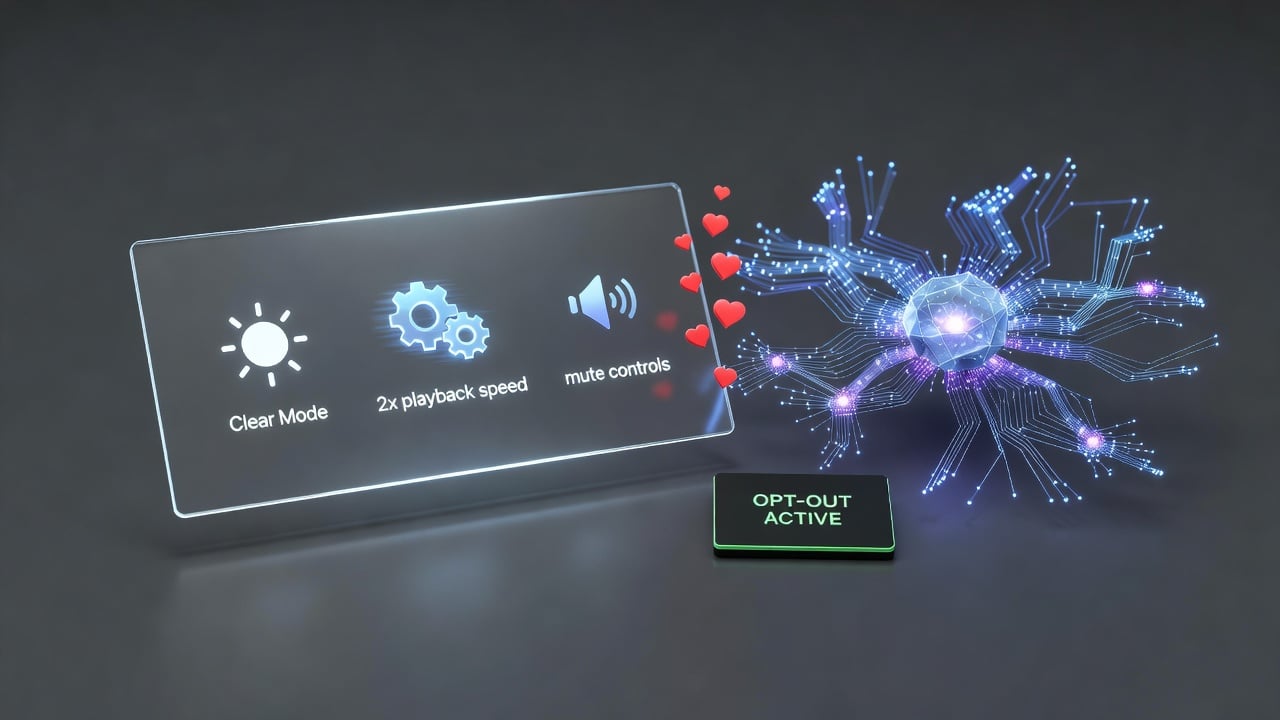
Android Police first reported several viewer-focused upgrades that rolled out in late June 2026. The additions include a Clear Mode that strips away on-screen clutter so the video fills more of the display. Users can now adjust playback speed up to 2x. A built-in mute button appears directly in the player. YouTube also removed the dislike button from Shorts and replaced the thumbs-up with a heart icon. One more option lets users set a Shorts timer to zero and hide the feed entirely. Android Police noted these features mirror tools already present on rival apps. The changes feel overdue yet welcome.
But the real shift lies in artificial intelligence. Over the past year Google has steadily injected generative models into the Shorts creation pipeline. Early tests in February 2026 let select creators transform a single frame from another Short into an entirely new video. Prompts such as “add an object” or “reimagine” opened the door. By May the company expanded the test with its Gemini Omni model.
The Verge detailed how the updated Remix tool now sits under the Share menu. Tap a Short, select Remix, then choose Reimagine. Gemini Omni can restyle the clip as pixel art, anime, or found-footage horror. It can inflate heads, dress subjects in pirate costumes, insert background actors, or drop the user into the scene. The model handles complex video and audio adjustments behind the scenes. A direct quote from YouTube reads, “Remixing with Omni delivers a fresh way for users to create and build on each other’s imagination.” The piece appears at The Verge.
TechCrunch covered the same May 2026 announcement and added important context. Gemini Omni improves consistency in storytelling and better interprets user intent. The integration also reaches the YouTube Create app. At the same time Google introduced Ask YouTube, an AI-powered conversational search that pulls from both Shorts and long-form videos. Premium users on desktop can query topics such as teaching a child to ride a bike and receive compiled clips with follow-up questions supported. The report sits at TechCrunch.
Creators retain some control. They can disable remixing on individual videos. Every AI-generated Short carries a digital watermark and links back to the original. YouTube expanded a likeness-detection tool so creators 18 and older can request removal of unauthorized deepfakes. These safeguards matter. The flood of synthetic content risks diluting authenticity. Yet many insiders see opportunity. A single popular Short can spawn dozens of creative variations that drive traffic back to the source.
Earlier waves of AI tools set the stage. In 2025 YouTube introduced image-to-video generation that turns a still photo into a six-second clip. Veo 3 models arrived for faster video creation. Speech-to-song conversion let dialogue become musical tracks. Motion capture animated static photos. An Edit with AI feature turned raw camera-roll footage into a rough cut complete with music and transitions. TechCrunch reported these additions in separate articles from July and September 2025. Each release pushed Shorts closer to a full production suite inside the mobile app.
Official creator update pages confirm ongoing tweaks. YouTube recently moved the Remix button into the Share menu across all videos to simplify navigation. The Trends page for Shorts became globally available. Options to add motion to photos rolled out more broadly. While the support document does not carry specific 2026 dates, the changes align with the acceleration seen across other reports.
Algorithm adjustments have accompanied the feature work. Some creators complain that view-counting changes implemented in early 2025 favored quick watches over quality. A February 2026 update to monetization and a three-minute maximum length for certain Shorts altered earnings calculations. VidPros summarized these shifts in a detailed overview published in late February 2026. The piece highlighted how the platform now rewards consistent posting across both short and long formats. VidPros captured the mixed reactions from the creator community.
Neal Mohan, YouTube’s CEO, signaled the direction in his January 2026 annual letter. He told creators they would soon generate Shorts using their own digital likeness. The promise excited some and unsettled others. The Verge covered the letter and noted that AI versions of familiar faces could soon populate feeds between regular uploads. The strategy aims to keep audiences engaged even when human creators take breaks. Yet it also raises questions about consent and audience trust.
Industry observers point to broader implications. Shorts already drive more than 200 billion daily views according to multiple creator-focused channels. The new tools lower the barrier for experimentation. A novice can reimagine a trending clip in a fresh style within minutes. Professional editors gain speed on repetitive tasks. At the same time the volume of AI content may overwhelm recommendation systems. YouTube must balance discovery of original voices with the novelty of synthetic variations.
So the updates reflect two parallel goals. First, improve the day-to-day experience for the hundreds of millions who scroll Shorts each day. Cleaner interfaces, speed controls, and easier muting address real annoyances. Second, give creators more expressive power through artificial intelligence. The Remix enhancements with Gemini Omni stand out as the most transformative. They turn passive viewing into active collaboration across the platform.
Critics worry about quality. If every Short can be instantly remixed into a dozen variants, does the original lose value? Early data from tests suggests remixed versions often credit and link to the source, which can boost the original creator’s metrics. Still, the long-term effect remains uncertain. Watermarks help, but sophisticated users can crop or edit them out.
YouTube appears committed to iteration. New features arrive monthly rather than yearly. The company listens to feedback from its creator support channels and adjusts quickly. The removal of the dislike button, for example, follows years of user requests. Clear Mode directly answers complaints about cluttered mobile interfaces. These small wins build goodwill while the AI bets shape the future.
Watch for further integration. Ask YouTube could evolve into an editing assistant that suggests prompts based on trending topics. The likeness tools may expand to let creators license their digital selves for brand campaigns. And the editing timeline introduced in 2025 already feels dated compared with the generative capabilities now online. Each layer adds complexity. The platform that once simply hosted videos now functions as a hybrid studio, distribution network, and creative playground.
Creators who adapt fastest will benefit. Those who master prompt writing for Gemini Omni or combine AI drafts with personal touches may see outsized growth. Casual viewers gain convenience and fresh entertainment. The risk lies in a feed that becomes too synthetic. YouTube must preserve space for raw, human moments amid the polished AI output. The latest upgrades move the platform closer to that balance. How creators and audiences respond will determine whether Shorts matures into a lasting medium or fragments under its own generative weight.


 WebProNews is an iEntry Publication