
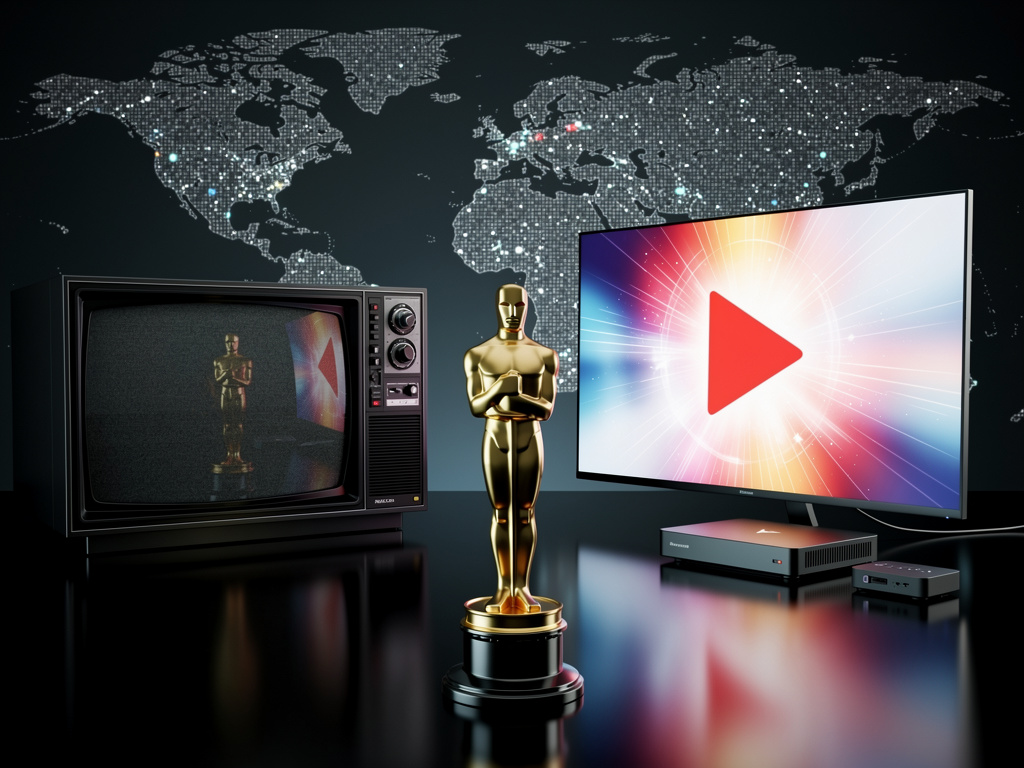
YouTube’s Golden Gambit: How the Oscars’ Shift to Streaming Redefines Awards Show Dominance
In a seismic shift for the entertainment industry, YouTube has secured the exclusive rights to broadcast the Academy Awards starting in 2029, marking the end of a long-standing era for traditional television. This multi-year deal, announced on December 17, 2025, will see the Oscars stream live and free worldwide on the Google-owned platform, encompassing not just the main ceremony but also red carpet coverage, nominations announcements, and ancillary events like the Governors Awards. The move comes as the Academy of Motion Picture Arts and Sciences seeks to broaden its global reach amid declining viewership on linear TV. According to reports, the agreement spans at least four years through 2033, positioning YouTube as the new home for Hollywood’s most prestigious night after ABC’s contract expires in 2028.
The decision underscores a broader transformation in how major events are consumed, with streaming platforms increasingly outbidding legacy networks for premium content. Sources indicate that YouTube’s bid triumphed over competitors like NBCUniversal, which had been actively vying for the rights. This isn’t just a win for YouTube; it’s a harbinger of change for an awards show that has struggled with relevance in the digital age. Viewership for the Oscars has plummeted from highs of over 50 million in the 1990s to around 19 million in recent years, prompting the Academy to innovate. By partnering with YouTube, the organization aims to tap into the platform’s massive user base of over 2 billion monthly logged-in viewers, many of whom are younger demographics elusive to traditional broadcasts.
Financial details of the deal remain under wraps, but industry insiders estimate it could exceed $100 million annually, reflecting the high stakes involved. The shift also aligns with YouTube’s aggressive push into live events and premium programming, building on successes like its NFL Sunday Ticket package and Coachella streams. For the Academy, this represents a calculated risk: trading the stability of network TV for the potential of viral, interactive moments that could reinvigorate the show’s cultural impact.
The Academy’s Strategic Pivot Amid Viewership Woes
The Oscars’ migration to YouTube follows years of experimentation to modernize the telecast. In 2024, the Academy finally allowed simultaneous streaming on Hulu alongside ABC’s broadcast, a first that hinted at this larger transition, as noted in coverage from The Hollywood Reporter. That move came after persistent criticism that the show was inaccessible to cord-cutters, contributing to its ratings slide. Now, going fully streaming-only post-2028—coinciding with the Oscars’ centennial celebration—signals a bold embrace of digital distribution.
Critics and supporters alike are debating the implications. On one hand, YouTube’s global accessibility could democratize the event, allowing fans in regions without ABC affiliates to watch live without barriers. Posts on X (formerly Twitter) from users like film enthusiasts and media analysts express excitement over the free access, with some speculating it could boost international viewership exponentially. One post highlighted the potential for integrated creator commentary, turning the Oscars into a more interactive spectacle.
However, concerns linger about the ceremony’s prestige. Traditionalists worry that associating with a platform known for user-generated content might dilute the Oscars’ aura of Hollywood glamour. As detailed in a report from Variety, the move arrives amid uncertainty in the film industry, including debates over theatrical windows and studio consolidations like Warner Bros.’ ongoing challenges. Will the Oscars retain their must-watch status on a site where cat videos compete for attention?
YouTube’s Rise as a Live Event Powerhouse
YouTube’s acquisition of the Oscars rights is the latest milestone in its evolution from a video-sharing site to a major player in live entertainment. Founded in 2005 and acquired by Google (now Alphabet) in 2006, the platform has invested heavily in infrastructure to handle massive live audiences. Its handling of events like the 2024 Paris Olympics highlights and exclusive music festivals demonstrates technical prowess, with seamless streaming and minimal downtime.
The deal includes innovative elements tailored to YouTube’s strengths, such as multi-language subtitles and potential integrations with Shorts for bite-sized highlights. Industry observers point to this as a way to engage Gen Z viewers, who prefer on-demand content over scheduled broadcasts. Recent news from Deadline emphasizes that the package encompasses the full Oscars ecosystem, from pre-show buzz to post-event analysis, potentially creating new revenue streams through targeted ads and sponsorships.
Comparisons to other streaming coups abound. Netflix’s foray into live events with comedy specials and sports, or Amazon’s Prime Video snagging Thursday Night Football, illustrate a pattern where tech giants leverage data-driven advertising to outmaneuver broadcasters. YouTube’s ad model, which includes skippable ads and creator partnerships, could make the Oscars more lucrative than ever, especially with global brands eager to align with the event’s star power.
Hollywood’s Reaction and Broader Industry Ripples
Reactions within Hollywood have been mixed, with some executives praising the forward-thinking approach while others lament the loss of broadcast tradition. ABC, which has hosted the Oscars since 1976, issued a gracious statement wishing the Academy success, as reported in multiple outlets. The network will air the next three ceremonies, culminating in the 100th Oscars in 2028, providing a graceful handover period.
On X, posts from industry figures reflect a blend of optimism and skepticism. One viral thread from a media analyst suggested this could accelerate the decline of linear TV, estimating a potential $1 billion shift in ad revenue from traditional to digital platforms. Another user, identifying as a film producer, quipped about the irony of the Oscars streaming on a platform that popularized reaction videos, potentially spawning a new genre of creator-led Oscar commentary.
This transition also raises questions about content moderation and presentation. YouTube’s algorithm-driven ecosystem could amplify viral moments—like unexpected speeches or wardrobe malfunctions—but it must navigate challenges like copyright enforcement during live streams. Insights from The New York Times note that the Academy’s deal emphasizes exclusive rights, ensuring YouTube’s primacy while possibly limiting unauthorized clips.
Economic Incentives Driving the Deal
At the heart of this partnership are economic realities reshaping media. The Academy, facing rising production costs for the Oscars, sought a partner capable of delivering both reach and revenue. YouTube’s parent company, Alphabet, has deep pockets, with advertising revenue topping $200 billion annually. This financial muscle allowed it to outbid rivals, as hinted in bidding war coverage from earlier this year on X, where Variety posted about active contenders like NBCUniversal.
The free streaming model is particularly appealing, removing paywalls that have hampered other events. As per details in BBC News, this could expand the Oscars’ audience in emerging markets, where broadband access is growing faster than cable subscriptions. Analysts project that ad sales alone could cover the deal’s costs, with premium spots during the broadcast fetching millions.
Moreover, the agreement aligns with broader trends in content monetization. YouTube plans to integrate shoppable ads and fan interactions, turning passive viewing into an engaging experience. This could include virtual watch parties or AR filters for red carpet recreations, innovations that traditional TV struggles to match.
Challenges and Opportunities on the Horizon
Despite the enthusiasm, hurdles remain. Technical glitches during high-profile streams could tarnish the Oscars’ reputation, a risk YouTube has mitigated through investments in cloud infrastructure. Regulatory scrutiny over tech dominance might also come into play, especially as antitrust concerns swirl around Google.
For filmmakers and studios, the shift could influence how movies are marketed. With YouTube’s data analytics, the Academy might gain insights into viewer preferences, potentially shaping future nominations or categories. Coverage from CNBC highlights the global streaming aspect, suggesting it could elevate international films by exposing them to wider audiences.
Looking ahead, this deal might inspire other awards shows to follow suit. The Emmys or Grammys could eye similar streaming pacts, further eroding network TV’s hold on live events. Posts on X from entertainment journalists speculate that this is just the beginning, with one noting the “watershed moment” for Hollywood’s adaptation to digital natives.
The Future of Prestige in a Streaming World
As the 2029 Oscars approach, the industry will watch closely to see if YouTube can preserve the ceremony’s magic while amplifying its reach. The platform’s track record with creator-driven content suggests potential for hybrid formats, perhaps featuring YouTube stars as presenters or in skits, blending old Hollywood with new media.
Critics argue this could commodify the awards, but proponents see it as evolution. The Academy’s leadership has emphasized innovation, drawing from past changes like expanding best picture nominees to boost inclusivity.
Ultimately, YouTube’s Oscar takeover reflects a fundamental realignment in entertainment consumption. What began as a platform for amateur videos now commands the pinnacle of cinematic achievement, signaling that in the battle for eyeballs, adaptability reigns supreme. As one X post put it, this isn’t just a broadcast change—it’s a cultural pivot toward a more connected, if fragmented, viewing experience.
Reflections from Industry Insiders
Interviews with unnamed executives, as surfaced in recent web searches, reveal optimism tempered by caution. One studio head reportedly views the move as essential for survival, given streaming’s dominance in daily media habits.
The deal’s announcement has sparked discussions on forums and social media about equity in access, with global fans celebrating the barrier-free model.
In the end, the Oscars on YouTube could redefine what it means to “tune in,” merging tradition with technology in ways that captivate a new generation.


 WebProNews is an iEntry Publication