
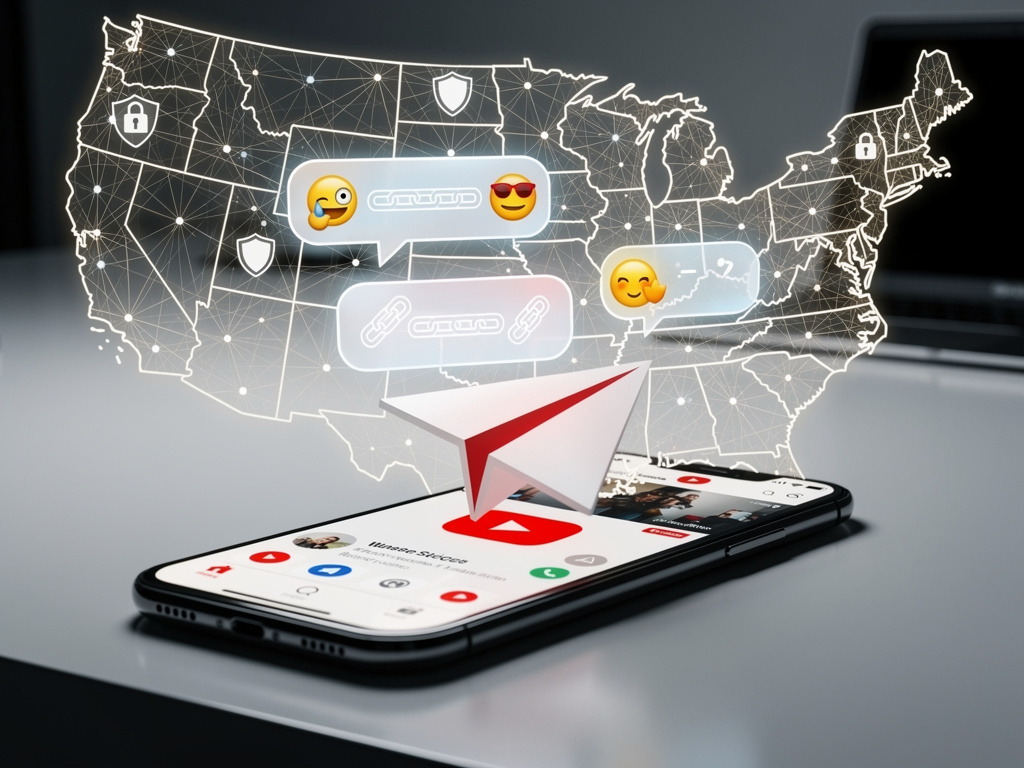
YouTube has started rolling out direct messaging features to a wider group of users in the United States, marking a significant expansion of its social capabilities. According to a report from Android Authority, the video platform now allows selected accounts to send private messages to one another directly within the app. This development builds on earlier tests conducted in other countries and signals YouTube’s continued push to transform from a pure video hosting service into a more complete social network.
The messaging system appears in the latest versions of the YouTube mobile app for both Android and iOS. Users who have been granted access see a new paper plane icon in the top right corner of the interface, similar to the one used by Instagram. Tapping this icon opens a dedicated messages tab where conversations can be started with other accounts. The feature supports text, emojis, and links, though file attachments and voice messages remain limited at this stage. YouTube has designed the system with clear safety measures, including the ability to report conversations, block users, and control who can initiate contact.
This expansion comes after several years of gradual testing. YouTube first experimented with private messaging in select markets such as India, Brazil, and parts of Europe. Those early trials helped the company refine moderation tools and understand how users wanted to interact privately on a platform traditionally focused on public video consumption. The decision to broaden availability in the United States suggests that the company has gained enough confidence in the feature’s stability and safety to introduce it to one of its largest and most scrutinized user bases.
For many creators, the arrival of direct messaging represents a practical way to handle business and fan interactions without leaving the YouTube environment. Previously, creators often directed followers to external platforms like Discord, Twitter, or email for private conversations. That approach created friction and sometimes exposed both parties to spam or phishing attempts. With built-in messaging, creators can now respond to collaboration requests, answer sponsorship inquiries, or offer personalized support while staying inside an app they already use daily. Smaller channels particularly stand to benefit because they can maintain closer relationships with their audiences without needing complex third-party tools.
Viewers also gain new ways to connect. Fans can reach out to creators they admire with questions about video content or requests for recommendations. The feature could encourage more meaningful exchanges that go beyond public comments sections, which often become cluttered or hostile. Parents might appreciate the controlled environment when their children use the app, especially since YouTube already offers family-oriented settings and supervised accounts. However, the company will need to remain vigilant about potential misuse, such as grooming or harassment, which have plagued other social platforms that offer private chat.
YouTube has structured the rollout carefully. Not every account receives access immediately. The company appears to be using a phased approach based on account age, subscriber count, community guidelines compliance, and other factors. This staggered deployment allows engineers to monitor server load and quickly address any unexpected bugs or moderation challenges. Users who do not yet see the paper plane icon can expect to gain access in the coming weeks or months as the expansion continues.
The messaging interface itself adopts a clean, familiar design. Conversation threads display chronologically with sender avatars on the left. A text input field sits at the bottom, complete with emoji picker and attachment options. YouTube has integrated the system with its existing notification infrastructure so users receive alerts when they receive new messages. Push notifications can be toggled on or off for each conversation, helping users avoid alert fatigue while staying responsive to important contacts.
Privacy controls form a central part of the experience. Users can choose to receive messages from everyone, only from people they follow, or from verified accounts only. Creators with large followings can set stricter filters to prevent their inboxes from filling with unwanted solicitations. The platform also automatically filters out messages containing links known to lead to malicious websites or scams. These automated systems supplement human moderation teams that review reported conversations.
From a competitive standpoint, the move makes strategic sense. TikTok already offers robust direct messaging, and Instagram has long used private chats as a core engagement driver. By adding similar functionality, YouTube prevents users from migrating to rival apps simply to conduct private conversations. The company can also gather valuable data about how people interact privately, information that helps refine recommendation algorithms and advertising targeting. While YouTube has not publicly discussed monetization plans for messaging, future possibilities could include sponsored chat features or premium creator tools.
Technical implementation required significant backend work. YouTube needed to build reliable real-time delivery systems capable of handling millions of simultaneous conversations without slowing down video streaming performance. The company leveraged its existing Google infrastructure, including Firebase Cloud Messaging and various content delivery networks, to ensure low latency even during peak usage hours. Encryption protects message content during transmission, though the precise details of end-to-end encryption have not been fully disclosed.
Early user reactions appear largely positive. Many creators have welcomed the ability to communicate directly with collaborators and brand partners without juggling multiple applications. Some have already begun using the feature to coordinate video shoots, share script drafts via links, and provide feedback on rough cuts. Fan accounts report feeling more connected to their favorite personalities when they can send a quick message about a video and occasionally receive a reply.
Of course, challenges remain. Managing message volume could become overwhelming for creators with hundreds of thousands of subscribers. YouTube may need to introduce inbox organization tools such as folders, priority filters, or automated sorting based on sender verification status. The platform will also face pressure to expand supported message types. Many users expect to send images, short videos, or even money through integrated payment systems in the future. Meeting those expectations without compromising safety will require ongoing development.
Another consideration involves age-appropriate usage. YouTube’s large population of young users means the messaging system must include strong safeguards. The company already restricts certain features for accounts below age 13 and requires parental consent for some activities. Extending those protections to private messaging will be essential for maintaining trust with families. Clear labeling of verified creator accounts could help younger users distinguish between legitimate interactions and potential risks.
Looking ahead, this expansion likely represents only the first step in YouTube’s broader social ambitions. The company has hinted at additional community features including enhanced live chat tools, better collaboration spaces, and possibly group messaging. Each addition brings YouTube closer to becoming a comprehensive platform where users can discover, watch, discuss, and connect all in one place. For a service that began as a simple video upload destination, the transformation has been remarkable.
The timing of the United States rollout also deserves attention. With increased regulatory scrutiny on social media companies regarding child safety and data practices, YouTube appears to be introducing the feature alongside strengthened moderation systems. The company has invested heavily in artificial intelligence tools that detect harmful content in messages and flag conversations for human review. Transparency reports detailing how many accounts were restricted for violating messaging policies will likely become part of future updates.
For developers and businesses that build tools around YouTube, the messaging feature creates new opportunities. Third-party applications may eventually gain limited access to messaging APIs, allowing scheduling tools or customer service dashboards to integrate directly. However, YouTube has historically been cautious about opening private communication channels to external developers due to privacy concerns.
Users who wish to try the feature should ensure they are running the most recent version of the YouTube app. Sometimes simply updating the application triggers eligibility for the test group. Those who still cannot access messaging can visit their account settings to check for any new privacy or communication options that indicate the rollout has reached their profile. Persistence and patience tend to pay off as these phased launches typically accelerate once initial stability is confirmed.
The introduction of direct messaging underscores YouTube’s recognition that modern users expect more than passive video consumption. They want platforms that support active participation and personal connection. By providing private communication tools within a familiar interface, YouTube meets that expectation while maintaining the controls necessary to protect its community. As the feature becomes available to more accounts across the United States, both creators and viewers will discover new ways to interact that extend far beyond simply watching the next recommended video. The platform continues to mature, adding layers of functionality that reflect how people actually use technology to connect in their daily lives. This latest addition feels like a natural progression rather than a sudden departure, fitting comfortably into the evolving identity of a service that millions already consider their primary entertainment destination.


 WebProNews is an iEntry Publication