
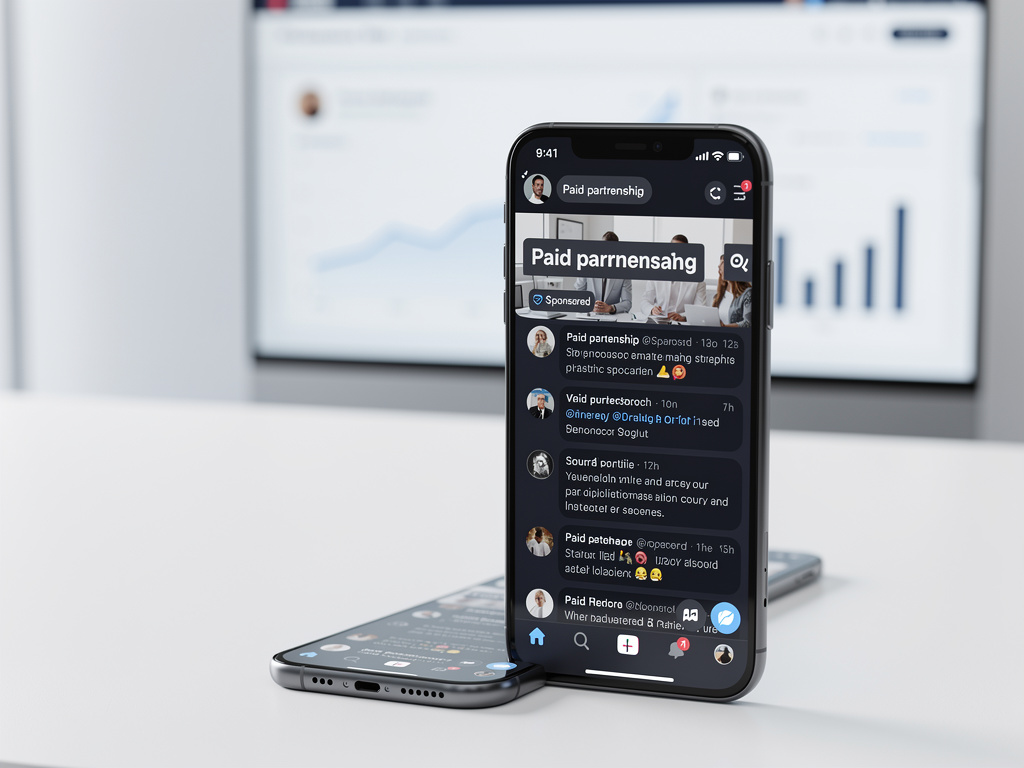
Elon Musk’s X, the social media platform formerly known as Twitter, has introduced a new paid partnership label feature that allows creators and advertisers to clearly mark sponsored content in posts. The move, which brings X closer in line with competitors like Instagram and YouTube, comes at a time when the company is aggressively courting advertisers back to the platform after a tumultuous period of brand safety concerns and advertiser exodus.
The feature, first reported by Engadget, enables users to add a visible “Paid Partnership” label to their posts, making it easier for audiences to distinguish between organic content and sponsored material. The label appears prominently on posts, signaling that the content was created as part of a commercial arrangement between a creator and a brand.
How the Paid Partnership System Works
According to Engadget, the paid partnership labels can be added by users when composing a post. The system is designed to provide transparency for followers who might otherwise be unaware that a creator has been compensated to promote a product or service. This kind of disclosure has long been a regulatory requirement in many jurisdictions, including the United States, where the Federal Trade Commission mandates that influencers and content creators clearly disclose material relationships with brands.
The feature is not entirely new to the social media industry. Meta’s Instagram introduced branded content tags years ago, allowing creators to tag business partners in sponsored posts. YouTube similarly requires creators to check a box indicating when content includes paid promotion, which triggers a disclosure label on the video. TikTok has also rolled out branded content toggles. X’s adoption of a similar mechanism reflects an industry-wide standardization of transparency tools that regulators and advertisers alike have been demanding.
A Platform Struggling to Win Back Advertisers
The timing of this feature is significant. X has been working to rebuild its advertising business after a dramatic fallout with major brands following Musk’s acquisition of the platform in October 2022. Advertisers fled in droves over concerns about content moderation, brand safety, and Musk’s own controversial posts. At various points, major companies including Apple, Disney, IBM, and Walmart paused or reduced their spending on the platform.
Musk himself acknowledged the advertising challenges, and the company has taken several steps to lure brands back. X hired Linda Yaccarino, a former NBCUniversal advertising executive, as CEO in mid-2023, a move widely interpreted as an effort to restore confidence among the advertising community. The paid partnership label feature fits squarely into this broader strategy of making the platform more palatable and professional for brand partnerships.
Regulatory Pressure and the FTC’s Watchful Eye
The introduction of paid partnership labels also arrives against a backdrop of increasing regulatory scrutiny of influencer marketing across all social platforms. The FTC has been ramping up enforcement actions against influencers and brands that fail to adequately disclose paid relationships. In recent years, the agency has updated its endorsement guidelines to explicitly address social media posts, requiring clear and conspicuous disclosures that cannot be buried in hashtags or hidden below the fold of a caption.
Without a built-in tool for disclosure, creators on X were left to self-police their sponsored content, typically by adding hashtags like #ad or #sponsored to their posts. This approach was inconsistent and often insufficient. Some creators placed disclosure language at the end of lengthy threads where it was unlikely to be seen, while others omitted it entirely. A standardized label system removes much of that ambiguity and gives both creators and brands a more reliable compliance mechanism.
The Creator Economy on X: Still a Work in Progress
X has been making a concerted push to attract and retain content creators, who are increasingly central to the business models of social media platforms. The company launched a revenue-sharing program that pays creators based on the ad revenue generated by replies to their posts, though eligibility is limited to subscribers of X Premium (formerly Twitter Blue). The platform has also expanded its tipping features and introduced subscriptions that allow creators to charge followers for exclusive content.
Despite these efforts, X remains well behind competitors in terms of creator monetization infrastructure. YouTube’s Partner Program distributes billions of dollars annually to creators. TikTok’s Creator Fund, while criticized for low payouts, has been supplemented by a creativity program offering higher compensation. Instagram and Facebook have invested heavily in Reels bonuses and other creator incentives. The paid partnership label is a relatively modest addition, but it addresses a gap that was conspicuous to brands considering influencer campaigns on the platform.
What This Means for Brands and Influencer Marketing Firms
For advertising agencies and influencer marketing firms, the paid partnership label feature on X is a welcome development. One of the persistent challenges of running influencer campaigns on the platform was the lack of a formal disclosure mechanism that could be tracked and verified. On Instagram, for example, brands can see when they have been tagged in branded content, and the platform provides analytics specific to those partnerships. If X builds similar reporting tools around its paid partnership labels, it could make the platform significantly more attractive for structured influencer campaigns.
The feature also has implications for measurement and attribution. Branded content labels on other platforms are often tied to advertising insights dashboards, allowing brands to track engagement, reach, and conversion metrics specifically for sponsored posts. Whether X will integrate its paid partnership labels with its advertising analytics tools remains to be seen, but the foundation is now in place for such capabilities.
Brand Safety Concerns Haven’t Disappeared
While the paid partnership label is a step forward, it does not address all of the concerns that have kept some advertisers away from X. Brand safety remains a persistent issue. Reports have surfaced repeatedly about ads appearing alongside extremist content, misinformation, and other material that brands find objectionable. The platform’s reduced content moderation staff — a result of the mass layoffs Musk implemented shortly after his acquisition — has made it harder to police problematic content at scale.
Additionally, Musk’s own activity on the platform continues to be a source of concern for some advertisers. His posts on politically charged topics and his public feuds with critics have made some brands wary of being associated with the platform. The paid partnership label, while useful for transparency, does not insulate brands from the broader reputational risks of advertising on X.
The Road Ahead for Advertising on X
X’s introduction of paid partnership labels represents one piece of a larger puzzle the company is trying to assemble as it works to stabilize and grow its advertising revenue. The platform has also been experimenting with new ad formats, including full-screen video ads and pre-roll placements designed to compete with TikTok and YouTube for video advertising dollars.
The company has also made moves to improve its ad targeting capabilities, which were affected by staff reductions and infrastructure changes following the acquisition. Rebuilding advertiser trust is a long-term project, and features like paid partnership labels are necessary but not sufficient on their own. They signal that X is paying attention to the operational details that matter to brands and agencies, even if the platform’s broader strategic direction under Musk remains unpredictable.
For now, the paid partnership label feature is a pragmatic addition that brings X up to par with industry standards. Whether it translates into meaningful advertiser spending growth will depend on how the company builds on this foundation — and whether it can address the deeper concerns that continue to give many brands pause. As reported by Engadget, the feature is now available to users, marking another incremental step in X’s effort to professionalize its advertising offerings in an increasingly competitive market for brand and creator partnerships.


 WebProNews is an iEntry Publication