
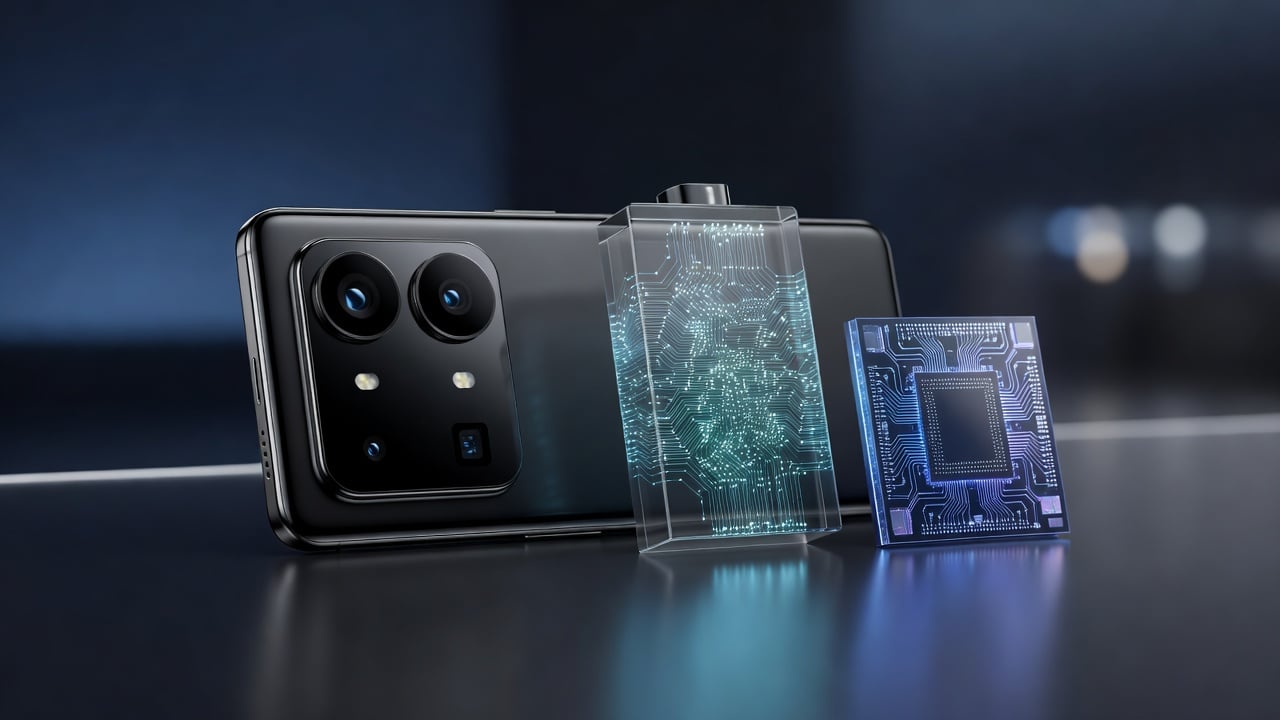
Xiaomi stands ready to shake up the premium smartphone segment once more. Leaks about its upcoming 18 Pro suggest a device that pushes boundaries on battery capacity, camera resolution and processing power in ways the company hasn’t attempted in recent cycles. The rumors paint a picture of a phone designed for users tired of incremental gains. And the timing couldn’t be better.
According to a report published today by Android Central, the Xiaomi 18 Pro could pack two 200-megapixel sensors along with a 7,000mAh battery. Those numbers jump out. They represent a clear departure from the formula that defined the Xiaomi 15 series, which launched in late 2024 with solid but less headline-grabbing specs.
The Xiaomi 15 Pro, detailed extensively on GSMArena, arrived with a 6.73-inch LTPO AMOLED display, Snapdragon 8 Elite chipset, 6100mAh battery and a triple 50MP camera array tuned by Leica. It improved on the Xiaomi 14 Pro with a notably larger cell. Yet the 18 Pro rumors indicate Xiaomi aims higher. Much higher.
Powering the new model would be Qualcomm’s Snapdragon 8 Elite Gen 6, built on a 2nm process. That node promises efficiency gains that could make the massive battery last even longer under load. Early adoption of next-generation silicon has long been a Xiaomi strength. This time the leap looks particularly pronounced.
But hardware alone doesn’t tell the full story. The display gets a refresh too. Rumors point to a roughly 6.4-inch flat OLED panel with ultra-slim symmetrical bezels and rounded corners. A Privacy Display mode adds another layer of refinement for users concerned about shoulder surfing in public spaces. Smaller size paired with thin borders often delivers a more comfortable grip. Xiaomi seems to have listened to feedback from compact flagship fans.
Camera upgrades take center stage in the leaks. One 200MP main sensor incorporates LOFIC technology. That stands for lateral overflow integration capacitor. It improves dynamic range while cutting shutter lag. The second 200MP unit serves as a periscope telephoto. Details remain scarce on exact zoom levels. Still, doubling down on high-resolution sensors signals serious intent in mobile photography.
Charging stays practical. Expect 100W wired speeds and wireless support. Those rates align with Xiaomi’s history of fast-refuel technology that competitors sometimes match but rarely exceed in real-world conditions.
Look back at the Xiaomi 15 Pro for context. Its 6100mAh silicon-carbon battery already marked a 1,220mAh increase over the 14 Pro, as noted in Android Central’s launch coverage. The 15 Ultra pushed further with a 5,410mAh pack that delivered strong endurance. Reviewer Chris Wedel wrote that it “lasts over a day with ease” in his Android Central review of the Ultra model. He praised the 200MP telephoto lens as “magnificent” and capable of outperforming the Galaxy S25 Ultra in certain scenarios. Yet he also flagged overheating during intensive gaming. Xiaomi will need to address thermal management if the 18 Pro’s larger battery and more powerful chip don’t introduce similar complaints.
The 15 series succeeded in bringing Leica-tuned optics to a broader audience. The Ultra in particular earned praise for its 1-inch main sensor and versatile zoom options. “Outstanding main camera” and “class-leading internals” topped Wedel’s pros list. But inconsistent HDR processing and software bugs tempered the score. Those pain points matter. They show that even strong hardware requires polished execution.
Fast forward to these 18 Pro rumors. They arrive at a moment when Xiaomi has expanded its global ambitions. The 15 Ultra reached markets beyond China earlier than some predecessors. Simultaneous launches have become more common. That trend could continue. Consumers in Europe, India and elsewhere now expect flagship Xiaomi devices without long delays.
Competition remains fierce. Samsung’s Galaxy S series, Google’s Pixel lineup and Chinese rivals like Vivo and Oppo all chase the same buyers. Each generation raises the bar on imaging, battery life and AI features. Xiaomi has often countered with aggressive pricing and over-the-top specifications. The rumored 7,000mAh cell would stand out in that crowd. So would dual 200MP cameras in a single device.
Of course leaks can shift. Specifications sometimes change before official announcement. Yet the consistency across recent reports gives them weight. Industry watchers have grown accustomed to Xiaomi delivering on bold promises. The company shipped the first phones with Snapdragon 8 Elite last year. It refined HyperOS along the way. Those moves built credibility.
Software maturity will decide much of the 18 Pro’s success. HyperOS has improved since its debut. Still, reviewers of the 15 Ultra noted lingering bugs. Four years of OS updates and five years of security patches have become table stakes. Xiaomi must match or exceed that standard.
Price expectations remain unclear. The 15 Ultra launched globally at €1,499 for the higher storage tier. A larger battery and dual high-resolution sensors could push the 18 Pro into similar or higher territory. Value has always formed part of Xiaomi’s appeal. Any significant price jump would need to be justified by tangible benefits.
Privacy Display mode deserves attention. In an era of crowded commutes and open offices, the ability to restrict viewing angles adds real utility. It feels like a feature born from practical user needs rather than marketing checklists.
Performance gains from the 2nm Snapdragon chip could extend beyond raw speed. Better efficiency often translates to cooler operation and longer battery sessions. If Xiaomi pairs that with improved vapor chamber cooling, it might avoid the overheating issues that plagued the 14 Ultra and appeared in the 15 Ultra during stress tests.
Camera technology continues its rapid advance. LOFIC on the main sensor addresses two common complaints. Dynamic range suffers in high-contrast scenes on many phones. Shutter lag frustrates action shooters. Solving both with one hardware change would mark genuine progress. The 200MP periscope telephoto, meanwhile, suggests pixel-binning techniques that deliver detailed zoomed images without bulky optics.
Xiaomi’s track record shows it iterates quickly. The jump from 14 to 15 brought meaningful battery increases and early access to new chips. The 18 Pro rumors indicate the company isn’t resting. It aims to deliver its biggest step forward in years. Whether those promises hold in production units remains to be seen. But on paper the specifications excite.
Global availability will matter. Xiaomi has improved its distribution and support in recent years. Yet software fragmentation and carrier certification can still slow rollouts. Fans outside China will watch closely for launch timelines.
The smartphone market rewards bold moves. Xiaomi built its reputation on them. A 7,000mAh battery in a flagship with premium cameras and a compact-ish design could remind everyone why the brand commands attention. It could also set expectations for what competitors must deliver in 2027 devices.
Details will emerge in coming weeks. Official unveiling likely sits months away. For now the leaks offer plenty to analyze. They suggest Xiaomi refuses to play it safe. That approach has served the company well before. It might just produce another standout device.


 WebProNews is an iEntry Publication