
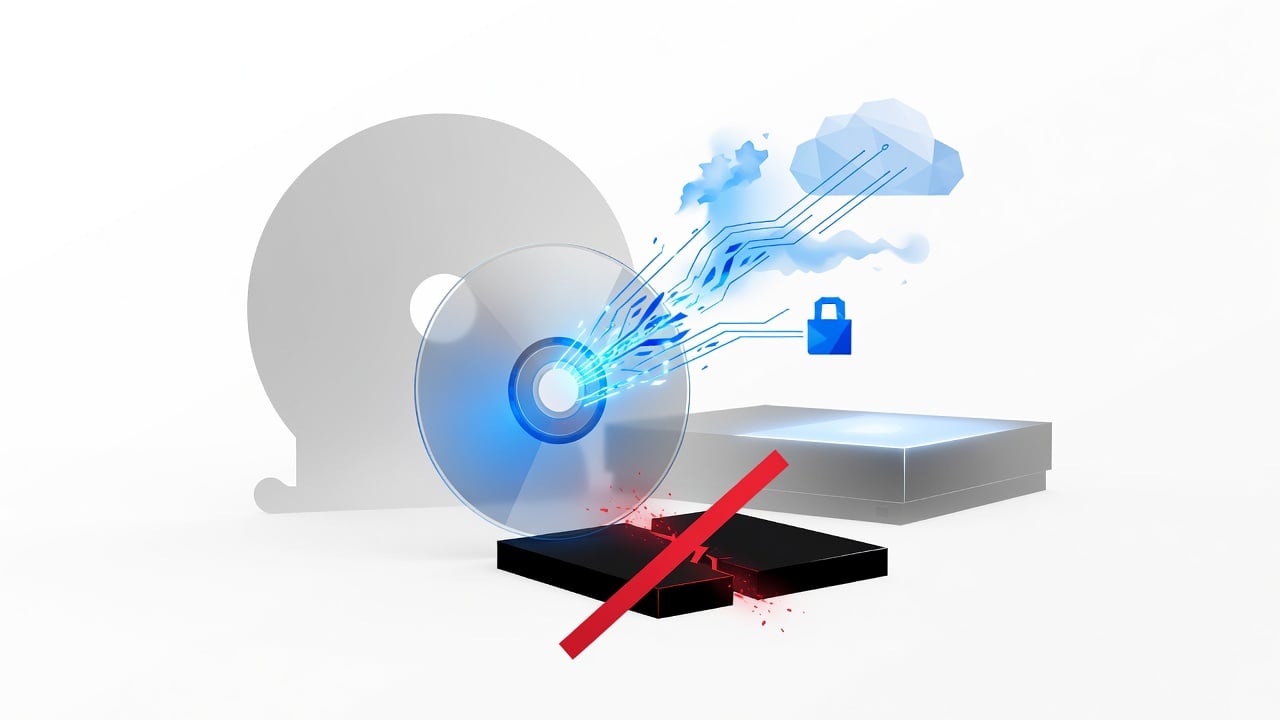
Microsoft is testing technology that converts physical Xbox game discs into digital licenses. The move comes as the company eyes a future with fewer or no disc drives in its hardware.
Reports surfaced Tuesday that Xbox employees have begun internal trials of a feature called Disc2Digital. References to “enable Disc2Digital” first appeared in the Xbox PC app code back in May. The Verge detailed how the system works. Insert a compatible disc into a console while signed in with a Microsoft account. Install the game. Play it. A digital entitlement gets added to the account.
That entitlement behaves much like any other digital purchase. It follows the account across devices. Swap consoles or sign in elsewhere. The game travels with you. And for titles that support Xbox Play Anywhere, access extends to PC and handhelds. Game Pass subscribers can stream eligible games through cloud gaming. The physical disc keeps working after conversion. But sell it or lend it out. The digital version disappears for the original owner.
Compatibility stays limited for now. The feature covers Xbox One and Xbox Series X discs. It skips original Xbox and Xbox 360 titles. Some Xbox One discs may fail to convert. Microsoft has told testers it depends on manufacturing date and method. Bundled games and multi-disc sets appear to function. The process mirrors what Microsoft considered for the original Xbox One launch more than a decade ago. Back then the plan collapsed under criticism over always-online requirements and resale limits. This time the industry sits in a different spot.
Digital sales dominate. Physical media still holds appeal for collectors and those wary of license revocation. Yet the economics favor downloads. No manufacturing. No shipping. Easier updates. Sony announced last week it will stop producing physical discs for PlayStation games beginning in January 2028. Mashable noted the timing. Microsoft’s reported tests arrived the same day. The company has not confirmed plans to drop disc drives entirely. Sources told The Verge the disc-to-digital option could prove essential if the next-generation console, known internally as Project Helix, ships without one.
Earlier rumors pointed in this direction. Windows Central reported in May on a codenamed Positron program tied to disc-to-digital efforts. Details were thin then. The latest reporting fills in mechanics. It also highlights practical benefits. Owners of large physical libraries could gain cloud access and cross-device play without repurchasing titles. That addresses a long-standing complaint. Disc owners often miss features reserved for digital versions.
But questions remain. How will Microsoft handle verification? Will periodic checks be required? What about resale markets that rely on physical transfers? The current design ties the digital license tightly to the specific disc. Hand the disc to a friend. Their account gains the entitlement while yours loses it. The disc itself continues to function on any compatible hardware. This setup preserves some aspects of ownership while enforcing a one-to-one relationship.
Industry Reactions and Competitive Pressures
Analysts see the tests as pragmatic adaptation. GamesIndustry.biz reported that dropping disc drives could lower hardware costs and simplify manufacturing. It also aligns with broader trends. Nintendo has shifted toward game-key cards in some markets. Rockstar released GTA 6 as download-only on certain platforms. Physical games aren’t vanishing overnight. They could become niche products aimed at enthusiasts.
Fan responses on X mixed excitement with caution. Many welcomed easier access to their back catalogs. Others worried about long-term license stability. Digital libraries have seen titles removed for licensing reasons before. A hybrid approach might ease those fears. Keep the disc on the shelf. Play the game from any device. Yet the revocation clause upon sale could frustrate collectors who treat games as tradable assets.
Microsoft has stayed quiet on specifics. The feature remains in internal testing. Expect more details in coming months. No announcement has linked it officially to Project Helix. Still, the timing with Sony’s decision suggests strategic coordination around an all-digital horizon. Publishers gain flexibility. Consumers face a transition that tries to respect existing purchases.
Execution will decide acceptance. If conversion proves simple and reliable, it could accelerate the decline of disc-based consoles. If bugs or restrictions create friction, physical loyalists may push back. For now the tests represent a concrete step. They acknowledge that many gamers hold substantial physical collections. And they offer a path to bring those collections into a future built around accounts, streaming and cross-platform play.
That future isn’t here yet. Disc drives still ship on current Xbox hardware. Retail shelves stock new physical releases. But the signals point one way. Microsoft appears to be building tools so that shift doesn’t orphan the discs already bought and displayed in living rooms worldwide.


 WebProNews is an iEntry Publication