
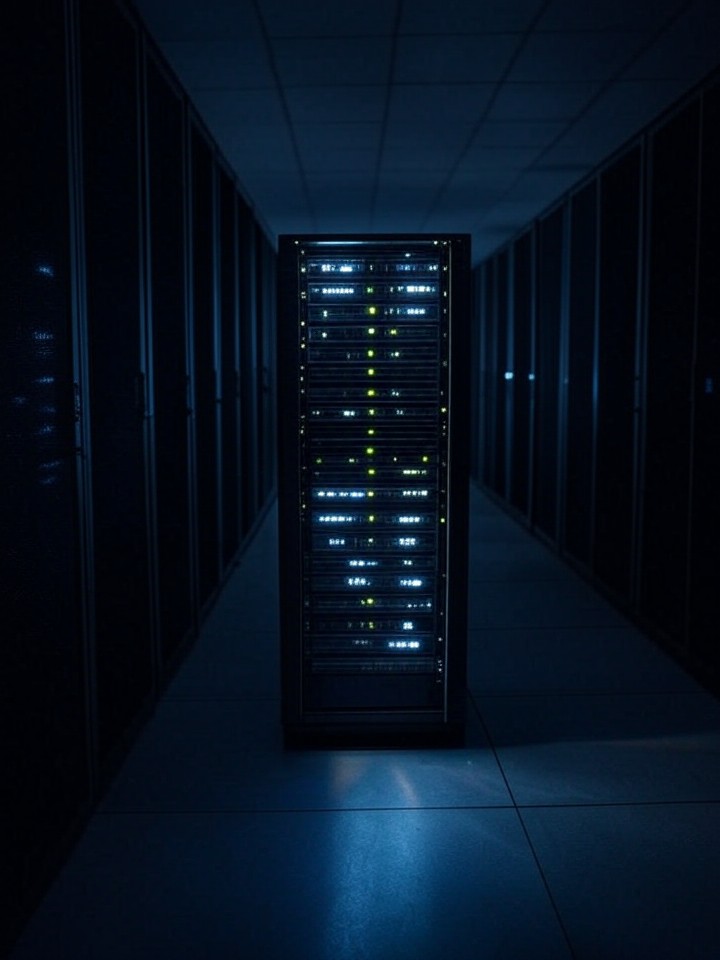
The Silent Storm: Inside X’s Catastrophic Outage of January 2026
In the early hours of January 16, 2026, the social media giant X, formerly known as Twitter, plunged into darkness, leaving millions of users worldwide staring at blank screens and error messages. What began as scattered reports of glitches quickly escalated into one of the platform’s most severe disruptions in recent memory, affecting everything from casual scrolling to critical communications. Downdetector, a leading outage tracking service, recorded a staggering peak of over 78,000 user complaints in the United States alone, with global figures likely far higher. This event not only highlighted the fragility of digital infrastructure but also reignited debates about the reliability of a platform that has become indispensable for news, politics, and social interaction under Elon Musk’s stewardship.
Users first noticed issues around 10 a.m. Eastern Time, with the platform’s website and mobile app failing to load feeds, display posts, or allow new tweets. Reports flooded in from across the globe, including major cities in Europe, Asia, and North America. One user in New York described it as “a total blackout—no timeline, no notifications, just a spinning wheel of doom.” The outage’s timing was particularly inopportune, coinciding with a busy Friday when many relied on X for real-time updates on everything from stock market fluctuations to breaking news. According to data from Downdetector, the problems were multifaceted: 59% of reports cited app crashes, 26% pointed to website malfunctions, and 15% involved feed refresh failures.
As the disruption unfolded, X’s own AI companion, Grok, became an unlikely source of information for some users who could still access it through alternative means. Grok confirmed the outage, drawing from real-time data and noting spikes in complaints that suggested a systemic failure rather than isolated incidents. This wasn’t just a minor hiccup; it marked the second major outage for X in a matter of days, following a similar event earlier in the week that had already frustrated thousands. Industry analysts quickly drew parallels to previous downtimes, but this one stood out for its scale and duration, lasting over an hour for many and lingering with intermittent issues well into the afternoon.
Unpacking the Technical Turmoil
Speculation about the cause ran rampant in the absence of an official statement from X. Early indicators pointed to internal server problems, as users encountered Cloudflare error pages, though sources clarified that the issue originated within X’s systems rather than Cloudflare’s infrastructure. A report from The Independent detailed how the outage came amid widespread criticism of Elon Musk’s platform, suggesting that ongoing technical debt from rapid changes post-acquisition might be a contributing factor. Musk’s aggressive cost-cutting measures, including significant staff reductions in engineering teams, have long been cited as potential vulnerabilities.
Further insights emerged from outage maps, which showed hotspots in densely populated areas like the U.S. East Coast, the United Kingdom, and India. In India, for instance, India TV reported thousands of affected users, with disruptions hitting both the app and website during peak evening hours local time. This global reach underscored X’s role as a borderless network, where a failure in one data center can cascade worldwide. Experts in cloud computing noted that X’s reliance on a mix of proprietary servers and third-party services could amplify such issues, especially if load balancing fails under high traffic.
The outage also impacted integrated services, including Grok, which went offline for many, further isolating users. Posts on alternative platforms like Mastodon and Bluesky surged as frustrated X users migrated temporarily, sharing screenshots of blank interfaces and venting about lost productivity. One tech insider, speaking anonymously, suggested that the problem might stem from a failed software update, a common culprit in past incidents. This theory gained traction as similar patterns were observed in outages dating back to 2023, when X transitioned from Twitter branding and overhauled its backend.
Echoes from Users and the Broader Impact
On X itself, once partial recovery began, a flurry of posts captured the chaos. Users reported frozen timelines and inability to post, with some humorously dubbing it “the great silence of 2026.” Sentiment analysis from social listening tools revealed a mix of frustration and resignation, with many pointing fingers at Musk’s leadership. This event followed a pattern of instability; just days prior, on January 13, similar disruptions had prompted waves of complaints, as noted in various user accounts. The recurrence raised questions about preventive measures and whether X’s engineering resources were stretched too thin.
The business ramifications were immediate and profound. Advertisers, already wary of X’s volatile environment, faced halted campaigns, potentially costing millions in lost exposure. Stock traders who use the platform for sentiment analysis reported delays in decision-making, with one hedge fund manager estimating a brief market dip tied to the uncertainty. Broader economic ties came into focus too—X’s role in disseminating financial news means outages can ripple into trading floors and investor confidence. A piece in Variety highlighted how tens of thousands of users were affected Friday morning, emphasizing the platform’s cultural significance beyond mere tech glitches.
For everyday users, the outage disrupted more than entertainment. Journalists relying on X for sourcing stories found themselves cut off, while activists in regions with limited media access lost a vital tool for coordination. In conflict zones, where X serves as a lifeline for real-time reporting, the blackout could have had dire consequences, though no specific incidents were immediately reported. This incident amplified calls for greater transparency from X, with regulators in the European Union already scrutinizing the platform under digital services acts for reliability standards.
Historical Context and Patterns of Instability
Looking back, X’s history is dotted with outages, but the January 2026 events represent a troubling escalation. Since Musk’s 2022 acquisition, the platform has undergone tumultuous changes, including API restrictions and feature overhauls that have occasionally led to downtime. A notable parallel is the March 2023 outage, which affected login and tweeting functions globally, as mapped by Downdetector. More recently, November 2025 saw disruptions linked to Cloudflare issues, impacting not just X but a suite of online services, according to posts from that period.
Analysts point to a pattern: each major outage coincides with periods of high user activity or internal updates. The January 16 incident, peaking around 8:45 p.m. IST as per Mathrubhumi, aligned with global traffic surges, suggesting scalability challenges. Elon Musk has previously downplayed such events, often attributing them to external factors like cyber attacks, but evidence for this remains scant. In fact, cybersecurity firms monitoring the space reported no unusual threat activity during the outage, shifting focus back to internal operations.
Comparisons to competitors reveal X’s unique vulnerabilities. Platforms like Meta’s Threads or TikTok have experienced downtimes, but rarely with the same frequency or public scrutiny. X’s open API and real-time nature make it more susceptible to cascading failures, where a single point of weakness can halt the entire system. Industry veterans argue that investing in redundant infrastructure could mitigate this, yet X’s financial reports indicate a focus on revenue-generating features over robustness.
Regulatory Scrutiny and Future Implications
As the outage subsided, with services mostly restored by late afternoon, questions lingered about accountability. The Federal Communications Commission in the U.S. has previously investigated social media disruptions, and this event could prompt renewed inquiries. In Europe, the Digital Services Act mandates reporting of significant incidents, potentially forcing X to disclose root causes. A report from The Verge noted that issues persisted for some users even after the main outage, with Grok and core functions lagging.
The incident also spotlighted user dependency on a single platform. Diversification advocates suggest building habits across multiple networks to avoid such blackouts, but X’s dominance in certain niches—like political discourse—makes this challenging. For Musk, this serves as a stark reminder of the platform’s precarious position; repeated failures erode trust and invite competitors to poach users. Some speculate that underlying issues, such as domain registry expirations (noted in passing by Tom’s Guide regarding Twitter.com’s January 21, 2026, expiration), could exacerbate problems if not addressed.
Looking ahead, experts predict that without substantial infrastructure upgrades, outages will become more frequent as user bases grow and features like video streaming demand more bandwidth. X’s engineering team, diminished since the acquisition, may need bolstering to handle these demands. Meanwhile, users and businesses alike are left pondering the cost of reliance on a platform that, for all its innovations, remains prone to sudden silence.
Voices from the Edge: Insider Perspectives
Interviews with former X employees paint a picture of a high-pressure environment where rapid iterations often outpace testing. One ex-engineer, who left in 2024, described “a culture of shipping fast, fixing later,” which could explain recurrent issues. This aligns with public critiques, including those from whistleblowers who have highlighted understaffing in critical areas like site reliability.
On the innovation front, the outage interrupted ongoing experiments, such as expanded Grok integrations, leaving developers in limbo. Tech forums buzzed with discussions on potential fixes, from decentralized hosting to AI-driven monitoring, but implementation remains uncertain under Musk’s directive style. Broader industry trends show a shift toward more resilient architectures, with companies like Google investing heavily in outage prevention.
Ultimately, the January 2026 outage serves as a case study in digital fragility. As X evolves, balancing ambition with stability will be key to retaining its pivotal role in global communication. For now, users can only hope that lessons from this silent storm lead to a more robust future, free from the shadows of unexpected blackouts.


 WebProNews is an iEntry Publication