
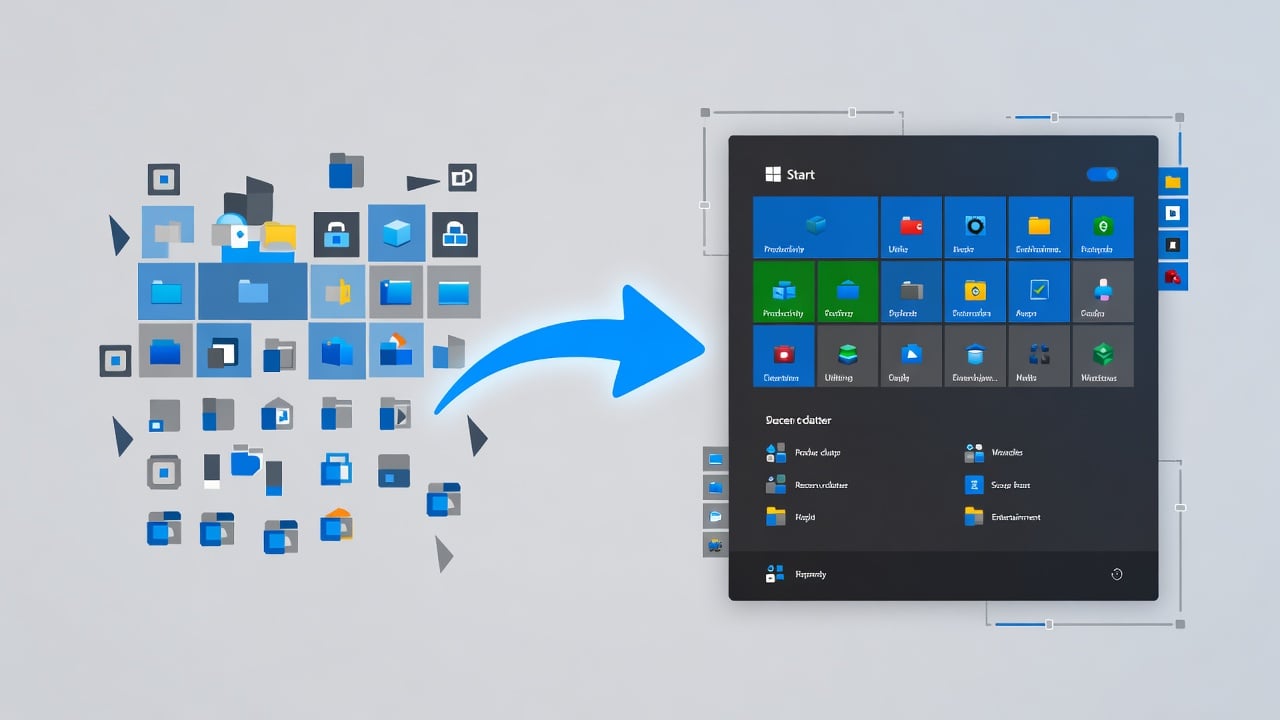
Two years ago Sagar Naresh gave up on the Windows 11 Start menu. He installed replacements. He tweaked them. He lived with the small headaches they introduced. Then a few months ago he tried the default again. The switch stuck.
“I went back to the default Windows Start menu after two years of replacements, and I am not switching again,” Naresh wrote in a recent piece for MakeUseOf. His reasons say as much about Microsoft’s long stumble with the interface as they do about its recent corrections.
The original Windows 11 Start menu arrived in 2021 as a stark departure. Centered. Heavy on recommendations. Limited in size and position. It felt, to many mouse-and-keyboard users, like an interface built first for touch. Naresh never minded the look. “The look was never an issue for me. My problem was functional. The default Start menu felt like it was designed for someone scrolling on a tablet rather than for someone who wants everything within reach using a mouse.”
He turned to apps such as Start11 and Open-Shell. They delivered quick access, folders, classic layouts. They also demanded upkeep. Every major Windows update carried risk. Animations differed. Context menus felt out of place. Settings pages looked foreign. The replacements, for all their power, never quite belonged.
But something shifted. Microsoft began listening. In updates rolling out through 2025 and into 2026 the company restored control. Users can now disable individual parts of the menu. The Recommended section, long a source of clutter and privacy concern, can be tamed. Recently added apps, suggested files, tips – each toggle sits in Settings > Personalization > Start.
Naresh found that sufficient. He pins his most-used programs. He groups similar apps into folders with a simple drag. A registry edit keeps web results from blending into local search. The menu feels his. No third-party layer required.
Microsoft’s changes go further. A May 2026 preview build tested in the Windows Insider Program introduced resizing. Users choose Small, Large or Automatic layouts. They hide or show Pinned, Recent and All Apps sections independently. The Recommended section became Recent and now separates file suggestions from system tips. An option hides the user name and profile picture during screen shares.
Windows Central reported these four upgrades in late May, noting they form part of a broader “Windows K2” effort to rebuild trust. Paul Thurrott tested the build for his site and called the adjustments minor yet welcome. “I like the inline everything without sub-pages,” he observed. The new Start settings page surfaces the toggles cleanly. Layout presets such as More Pins vanished, replaced by the size choices.
Taskbar improvements accompany the menu work. Users will regain the ability to dock it at any screen edge. A smaller buttons option shrinks both icons and the bar itself. These restorations address complaints that have persisted since launch. Early Windows 11 stripped options many took for granted. The company defended the choices as deliberate design decisions. Now it is walking some of them back.
The timing matters. Windows 10 support ended in October 2025. Enterprises and individuals alike face pressure to move. Many hesitated precisely because of interface friction. A Start menu that finally bends to user preference removes one obstacle.
Not everyone agrees the default suffices. Forums still fill with users seeking registry hacks or third-party tools to force older behaviors. Some complain the new integrated All Apps view feels crowded on smaller displays. Others miss the clean separation of classic menus. Change provokes reaction. It always has.
Yet Naresh’s experience reflects a growing cohort. Simple settings tweaks now handle the worst clutter. Folder support in Pinned apps satisfies organization needs. Privacy controls address real concerns. And the forthcoming options for size and position close the gap that once justified replacements.
Microsoft’s blog post from May 15, 2026 outlined the direction. The company described the work as “improving Windows quality” and “making taskbar and Start more personal.” The language is careful. The intent is clear. Give users back enough control to feel ownership without fracturing the modern aesthetic.
Thurrott noted limitations remain. Arbitrary resizing is absent. Search still needs attention. Performance tweaks lag. The current build represents progress, not perfection. Further adjustments are expected.
Even so the trajectory reversed. For years the Start menu symbolized everything critics disliked about Windows 11 – arbitrary restrictions, cloud-first assumptions, disregard for desktop habits. The 2026 updates signal recalibration. They acknowledge that productivity still happens at desks with mice and keyboards. They admit that one-size-fits-all rarely does.
Naresh no longer gambles on update compatibility for menu replacements. His context menus match the OS. His animations feel native. The menu, after years of experimentation, simply works. “Now the Start menu looks like mine,” he said.
That sentiment may prove more influential than any single feature. When the default satisfies power users without extra software, the third-party ecosystem loses its strongest argument. Microsoft wins by subtraction – by removing the need to replace what it ships.
The story is not finished. Enterprise policies, legacy applications and individual habits will keep alternative menus alive. Yet for a growing number of Windows 11 users the conversation has changed. The question is no longer how to fix the Start menu. It is whether the built-in version, finally flexible, has become good enough.
Recent coverage suggests the answer tilts yes. Windows Central reported again in June that the company is “correcting its direction” and “restoring capabilities that many users have been complaining about since the original release of Windows 11.” The pattern holds. Feedback accumulated. Changes followed.
For Naresh the experiment is over. Two years of third-party menus taught him what he truly needed. A handful of toggles and one registry key delivered it. The default won. This time he intends to stay.


 WebProNews is an iEntry Publication