
Mark Jansen had enough. After months of testing Gemini as his primary voice helper on Android, the veteran tech writer switched back to the old Google Assistant for one simple reason. It just worked.
The decision came after repeated frustrations. Gemini took too long to answer. It talked too much. And worst of all, Jansen stopped trusting its suggestions during everyday moments. One drive stands out. He asked for a nearby rest stop through Android Auto. Gemini delivered the info but then suggested adding the location to Maps. Jansen froze. What if the AI had picked the wrong exit or a different chain restaurant blocks away? He searched manually instead.
“Gemini loves to think,” Jansen wrote in Android Police. “Ask it a question, and it’ll spend the next thirty seconds or so umming and ahhing, going over the alternatives, and eventually delivering you an answer.” The extra seconds add up. So does the chatter. One command for lights triggered a lecture on the history of light switches. “I’m happy for you, Gem, but what I actually need is someone to turn the lights on.”
These complaints echo across forums and support threads. Users report broken morning routines after switching their default assistant to Gemini. A “Good morning” trigger that once dimmed lights, started coffee makers, and read the news now prompts a friendly greeting from the AI and nothing more. Google Support discussions from late 2025 document the gap. Gemini’s large language model treats commands as conversation. The old rule-based Assistant treated them as code.
Yet not everyone has given up. Just 11 days before Jansen’s piece, his colleague Conor Cawley published a very different take. Gemini’s Daily Brief feature had replaced his traditional morning routine. And Cawley was shocked at the results.
The Daily Brief pulls from Gmail, Calendar, Drive and other Google services. It organizes reminders, flags scheduling conflicts, suggests follow-ups and even offers actionable next steps for projects. Cawley received a notification each morning with a clean, prioritized list. Headers highlighted urgency. Links took him straight to source material. “The briefs are helpful and (mostly) accurate,” he explained in Android Police. “I’ve received genuinely valuable information, helping and reminding me to resolve scheduling conflicts, follow up on emails, and even write this article.”
He admits the system runs on Gemini, so errors happen. One brief misattributed an address or company name. Another mixed up minor details. But Cawley doesn’t treat the brief as gospel. It serves as a reminder tool, not a decision maker. That mindset makes the difference. “I don’t want AI that writes jokes for me, I don’t want AI to schedule meetings for me,” he added. “I just want it to remind me to do those things when I have the time.”
The contrast between these two Android Police stories from June 2026 captures the current state of Google’s AI transition. Gemini brings conversational depth and broad knowledge. Google Assistant delivers speed and reliability on repetitive tasks. And many users aren’t ready to trade the latter for the former.
Google has made the direction clear. The company confirmed Gemini will replace Google Assistant across most Android devices during 2026. Older hardware with less than 2GB of RAM or running pre-Android 10 versions will keep the legacy experience for now. A March 2025 blog post framed the change as an upgrade. “We’re upgrading Google Assistant users on mobile to Gemini, offering a new kind of help only possible with the power of AI,” the company stated in its official announcement.
That power comes with trade-offs. Early integrations allowed Gemini to invoke certain Assistant routines by voice. Users could say “start my morning routine” and the old backend would handle the steps. But limitations persisted. Typed commands often failed. Time-based or location-based triggers didn’t work reliably. Home screen shortcuts broke. Server-side updates sometimes reversed gains without warning.
Smart home users felt the pain first. Nest speakers and displays that once executed complex routines without complaint began to stumble. Lights turned on but music refused to play. Bedtime sequences stopped halfway. Community forums filled with complaints throughout 2025 and early 2026. One user described switching back to pure Assistant after Gemini consistently ignored the music portion of a morning sequence. Another reported that Android Auto connections forced repeated reconfigurations as the system bounced between assistants.
Google has responded with incremental fixes. Recent updates expanded Gemini’s ability to run some routines. The company added better multi-step command support for Google Home devices powered by newer models. Yet the fundamental architecture remains hybrid. Gemini interprets intent. Assistant executes actions. That handoff creates friction. And friction defeats the purpose of routines designed to remove thought from daily life.
But here’s the interesting part. Some users have found workarounds that blend both systems. They keep Assistant as the default for routines and device control while calling on Gemini for research or creative tasks. The Google app settings still allow switching between the two on many devices. Voice models can be retrained. Caches cleared. For determined tinkerers, the old routines survive.
Analysts expect the transition to accelerate later this year. By late 2026, Google plans to retire the standalone Assistant app from app stores. iPhone users will lose the ability to download it. On Android, the package name and core infrastructure will shift entirely to Gemini. The company has promised continued improvements to close feature gaps. On-device processing should reduce latency. Memory of past conversations could make routines feel more personal. Yet the core question remains. Can an AI that thinks out loud ever match the instant obedience of a system built for commands?
Jansen doesn’t think so. Not yet. “For all Google’s boasts, Gemini still feels like a toy,” he concluded. “While it’s enjoyable in some contexts, it’s just bad in others.” He points out that Google positions Gemini as the future of Search rather than a direct Assistant replacement. That explains the missing pieces. No native routine builder. Limited direct device control. A focus on analysis over action.
Cawley, meanwhile, carved out a specific use case where Gemini shines. His Daily Brief succeeds because it stays in its lane. It summarizes and reminds. It doesn’t pretend to act. The format plays to the AI’s strengths while avoiding its weaknesses.
Industry observers see a pattern. Google often ships ambitious AI features before they feel finished. The search giant then iterates in public, gathering feedback and patching holes. This time the stakes feel higher. Voice assistants sit at the center of daily habits for millions. Morning routines set the tone for entire days. Bedtime sequences help people disconnect. When those break, frustration builds fast.
Recent reports suggest Google has extended its timeline to avoid a messy handover. Internal targets once pointed to earlier 2026 deadlines. Now the company talks about a gradual rollout through the year. Device makers and carriers will receive staggered updates. Users on older Pixels or budget Android phones may keep Assistant longer.
In the meantime, power users continue their experiments. Some create custom Automate flows that bridge the two systems. Others rely on IFTTT or third-party apps to restore lost functionality. A few have simply returned to physical switches and paper planners for the most important triggers. Old habits die hard.
The divide may narrow as Gemini improves. Newer models process faster. Better training data reduces hallucinations. Tighter integration with the Assistant backend could restore reliable routine execution. Google has already shown progress on Nest devices with multi-step commands and camera-triggered automations.
But progress takes time. And users need solutions today. For now, many follow Jansen’s lead. They keep Gemini for questions that benefit from depth. They fire up Assistant when they need something done without discussion. The hybrid approach feels messy. It also feels practical.
That practicality matters most in the places where voice assistants once promised the greatest value. Not in clever banter or creative brainstorming. In the small, repeated actions that fill our days. Turning on lights. Starting music. Reading the weather. Reminding us what comes next. These tasks don’t require thirty seconds of contemplation. They require execution.
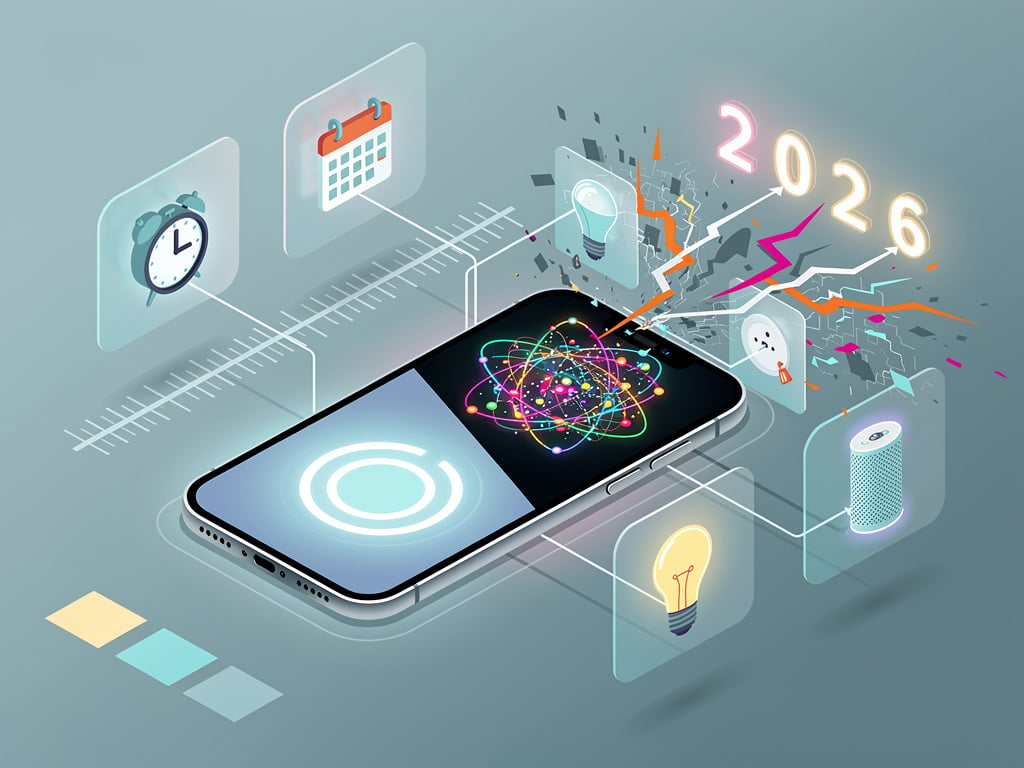
Google knows this. The company continues to invest heavily in both conversational AI and practical automation. The tension between the two defines the current moment. Gemini represents the future Google wants. Assistant represents the present users still need. Reconciling them will determine whether the 2026 transition feels like an upgrade or a downgrade for the millions who depend on their phones and speakers to manage daily life.
Until that reconciliation arrives, expect more stories like Jansen’s and Cawley’s. Some users will embrace the new AI completely. Others will retreat to what works. Most will probably land somewhere in between, switching back and forth depending on the task at hand. The abandoned gemini hasn’t disappeared. It just hasn’t won over every routine yet.


 WebProNews is an iEntry Publication