
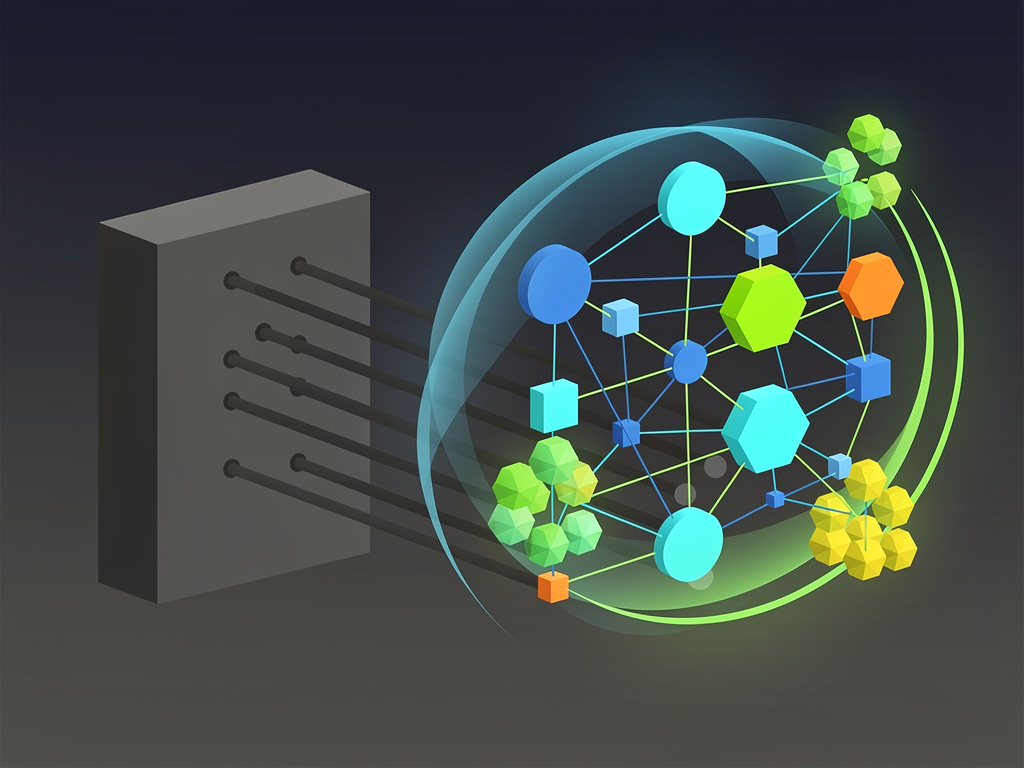
The electrical grid is often described as the largest machine ever built, a complex network of power plants, substations, and transmission lines designed for a simpler time. For decades, electricity flowed in one direction: from massive, centralized fossil fuel plants to passive consumers. Today, technology giants like Google and Tesla argue that this antiquated model is entirely unsuited for a future dominated by intermittent renewable energy. They assert that traditional grid management relies on outdated assumptions, resulting in inefficiencies, higher costs, and unnecessary carbon emissions.
Both companies approach the problem from different angles, yet their underlying thesis is identical: the grid must become decentralized, bidirectional, and driven by software rather than manual operator intervention. While traditional utilities often view solar panels and home batteries as complications to grid stability, Tesla and Google see them as the foundation of a highly responsive, distributed energy network. By applying advanced computing and deploying distributed storage, they aim to rewrite the rules of power generation and distribution.
Decentralization Over Central Power Plants
Tesla’s most visible challenge to traditional grid management is its aggressive expansion of Virtual Power Plants (VPPs). A VPP aggregates thousands of individual energy resources—such as home solar arrays and Powerwall batteries—into a single, controllable network. Instead of firing up a highly polluting natural gas peaker plant when electricity demand spikes during a hot summer afternoon, grid operators can draw a small amount of stored energy from thousands of homes simultaneously.
Real-world implementations have already proven the viability of this model. In California, Tesla partnered with Pacific Gas and Electric (PG&E) to create a VPP that successfully dispatched up to 16.5 megawatts of power during extreme heatwaves, directly compensating participating homeowners for their energy. Similarly, in South Australia, Tesla’s VPP has grown to include thousands of public housing properties, providing essential grid stability services while lowering electricity bills for low-income residents. This distributed approach completely bypasses the need for large, centralized infrastructure investments.
Software as the New Transmission Line
Managing thousands of distributed batteries requires sophisticated software capable of making split-second decisions. Tesla addresses this with Autobidder, an automated energy trading platform that allows independent power producers and utilities to monetize battery assets. Autobidder processes complex variables, including weather forecasts, load demands, and energy prices, to buy energy when it is cheap and sell it when prices peak. This level of automated, real-time trading replaces the slow, manual dispatch methods historically used by grid operators.
Google, through its moonshot division X, has developed its own software-centric approach to grid management called Project Tapestry. The project aims to create a single, unified virtualization of the electrical grid. Currently, grid operators lack visibility into the distribution network, often unaware of what is happening at the localized level until a transformer blows or an outage occurs. Tapestry proposes building a computational model that accurately simulates the flow of electricity across the entire network, allowing operators to predict bottlenecks and optimize the integration of residential solar and electric vehicles.
Rethinking Demand Response and Consumer Roles
Beyond battery storage, modifying consumer behavior is a primary focus for modernizing grid operations. Google has integrated grid-awareness directly into consumer homes through its Nest Renew service. Traditional demand response programs require utilities to send manual signals to users, asking them to reduce consumption. Nest Renew automates this process by shifting heating and cooling loads to times when the grid is supplied by cleaner, cheaper energy sources, such as midday solar or overnight wind.
This transition turns passive ratepayers into active energy participants. When millions of smart thermostats subtly adjust temperatures by a single degree during peak hours, the aggregate reduction in megawatt demand is massive. Google’s initiative demonstrates that the grid does not always need more power generation to meet demand; instead, it needs intelligent tools to shift that demand to times when generation is naturally abundant.
Predicting the Unpredictable with Artificial Intelligence
One of the primary arguments traditional utilities use against renewable energy is its intermittency. The wind does not always blow, and the sun does not always shine, making baseline power generation difficult to guarantee. Google has applied its artificial intelligence expertise to solve this specific forecasting problem. By feeding weather data and historical turbine performance into DeepMind machine learning models, Google successfully increased the financial value of its wind energy by roughly 20 percent.
The AI models predict wind power output 36 hours in advance, allowing grid operators to schedule energy deliveries with the same reliability as a coal or nuclear plant. This predictive capability is essential for phasing out fossil fuels. If operators can trust the forecasts, they no longer need to keep carbon-intensive reserve plants idling on standby. Tesla also applies similar predictive modeling within its commercial Megapack installations, ensuring that utility-scale storage discharges at the exact moment renewable generation drops off.
The Push for 24/7 Carbon-Free Energy
Google is fundamentally altering how corporations interact with electricity markets through its commitment to 24/7 Carbon-Free Energy (CFE) by 2030. Historically, companies claimed to be 100 percent renewable by purchasing enough solar or wind energy over a year to match their total annual consumption. However, this accounting method ignores the reality of the grid; a data center operating at night is still pulling power from coal or gas plants, even if the company bought excess solar credits during the day.
To achieve true 24/7 CFE, Google tracks electricity consumption and clean energy generation on an hourly basis, matching demand with local, carbon-free sources around the clock. This strict requirement is forcing regional grid operators to adopt more granular tracking systems. By demanding hourly energy certificates, Google is pushing the entire energy sector to abandon annual averages and confront the minute-by-minute reality of carbon emissions on the local grid.
Overcoming Regulatory and Infrastructure Hurdles
Despite the technological advancements spearheaded by these companies, physical and regulatory barriers remain significant. The current regulatory framework often incentivizes utility companies to build expensive new transmission lines and power plants, as they earn a guaranteed rate of return on capital expenditures. Software optimizations and distributed batteries do not fit neatly into this traditional profit model, leading to friction between tech innovators and legacy utility commissions.
Federal regulations are slowly catching up to the technology. The Federal Energy Regulatory Commission (FERC) issued Order 2222, which mandates that regional grid operators allow distributed energy resources—like Tesla’s VPPs—to compete alongside traditional power plants in wholesale markets. However, implementation is slow, and interconnection queues to attach new renewable projects to the grid stretch for years. Both Google and Tesla actively lobby policymakers to streamline these approval processes and restructure market incentives.
The Financial Incentives Driving the Transition
The push to overhaul grid management is heavily driven by economics. The cost of lithium-ion battery storage has plummeted over the last decade, making large-scale deployment financially viable. Tesla’s energy generation and storage division has grown into a highly profitable segment of its business, with Megapack factories scaling up production to meet overwhelming global demand. The company recognizes that fixing the grid is not just an environmental imperative, but a massive commercial opportunity.
For Google, energy costs are a major operational expense for its expanding network of data centers. As computing demands surge—particularly with the rise of power-hungry artificial intelligence models—securing cheap, reliable, and clean electricity is a business necessity. By developing tools to optimize grid efficiency and investing heavily in next-generation geothermal and advanced nuclear projects, Google is actively protecting its bottom line from volatile fossil fuel markets and rising utility rates.
Redefining the Future of Power Distribution
The convergence of hardware innovation and advanced computing is exposing the limitations of twentieth-century infrastructure. A centralized model that relies on overbuilding capacity to handle rare peaks is economically and environmentally unsustainable. The alternative proposed by technology leaders involves treating the electrical grid as a dynamic, interconnected network where millions of devices communicate and react in real time.
Moving away from centralized fossil fuels requires more than just building wind turbines and solar panels; it requires fundamentally changing how electricity is routed, stored, and consumed. Through automated trading platforms, virtual power plants, and predictive modeling, companies like Tesla and Google are proving that the tools to fix the grid already exist. The primary challenge now lies in forcing a deeply entrenched industry to adopt them.


 WebProNews is an iEntry Publication