
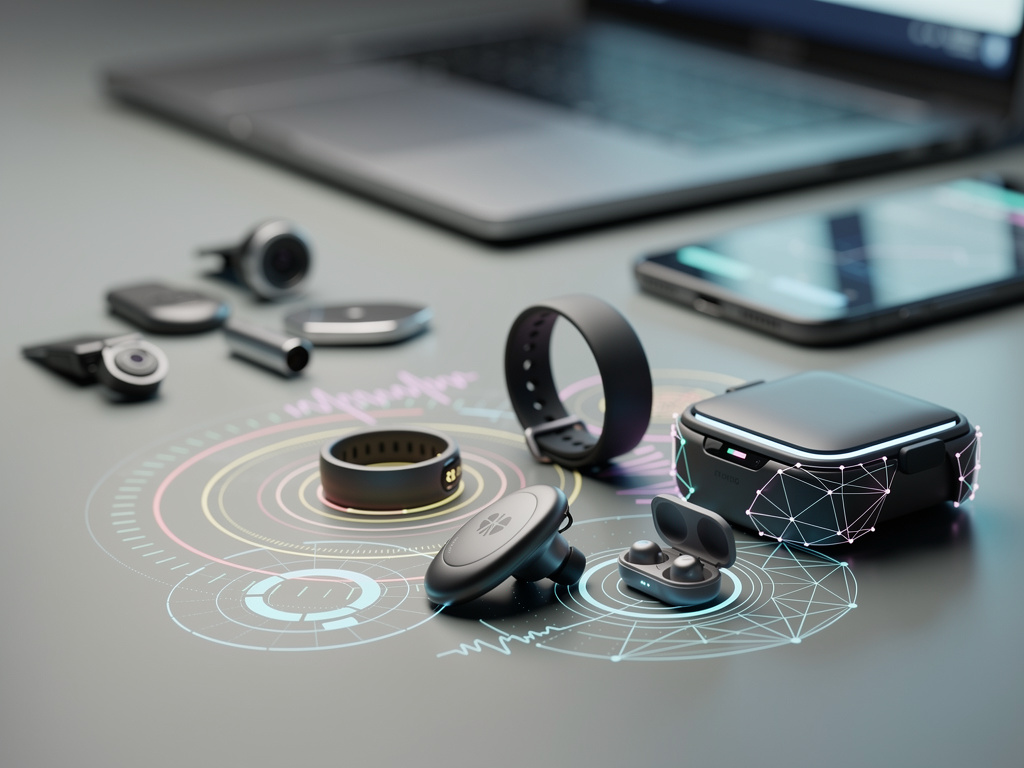
The flashy promise of an always-on AI friend pinned to your chest or dangling from a necklace has crashed hard. Public pushback came swift and unmistakable. Graffiti on New York subway ads for one such device delivered a blunt message: call your mom instead. That episode, detailed in a Gizmodo report from May 28, 2026, crystallized what many suspected. Consumers don’t want a persistent digital companion monitoring their every mood and utterance.
Devices like the Friend pendant and Humane’s AI Pin arrived with sky-high expectations. They positioned themselves as revolutionary personal assistants capable of conversation, task handling and emotional support. Reality proved otherwise. Humane’s product drew scathing reviews for poor performance and sold so few units that the company offloaded its assets to HP. The Verge labeled it “not even close” in an April 2024 assessment, citing unfinished software, thermal issues and an interface that frustrated more than it helped. Rabbit’s R1 fared little better. Early users discovered it functioned largely as a limited Android app wrapped in novel hardware. Daily active usage hovered around 5,000 out of 100,000 sold, according to a September 2024 Verge analysis.
Yet the appetite for AI in wearable form has not vanished. It has simply shifted. Industry attention now centers on tools that quietly augment physical health, capture memories without demanding attention, and deliver practical summaries rather than simulated friendship. This pivot explains why established players continue pouring resources into the category even after the companion model stumbled.
Meta’s Ray-Ban smart glasses stand as the clearest commercial bright spot so far. They integrate cameras, audio and AI capabilities for real-time translation, photo capture and, more recently, food tracking. Users point the glasses at a meal and receive nutritional estimates. The approach avoids the creep factor of a device that proactively chats unprompted. Apple has explored similar territory with concepts resembling a refined version of the AI Pin, according to Gizmodo coverage. Neither company appears focused on creating an artificial best friend.
Health-focused rings and watches have embraced AI more directly. The Oura Ring 5, available for preorder at $399, includes an Advisor feature that analyzes sleep, activity and recovery data to offer personalized recommendations. It pairs device readings with input from medical professionals. Google, after acquiring Fitbit, released the Fitbit Air equipped with a Health Coach powered by large language models. These products build on years of sensor data collection. They add conversational interfaces that answer questions about trends in a user’s own biometrics instead of engaging in open-ended banter.
Smaller entrants have targeted the memory and productivity niche with surprising traction. Amazon acquired Bee in July 2025, a $50 pendant that records audio throughout the day, generates summaries, extracts to-dos and allows chat-based queries about past events. A Forbes Vetted tester who evaluated it over weeks in 2025 called the $50 price remarkable. Summaries could turn poetic, highlighting routines and emotions, though hallucinations and speaker confusion appeared regularly. Still, the device proved reliable for settling debates about prior conversations. No subscription was required for basic use, a sharp contrast to many rivals.
Plaud’s NotePin takes a more deliberate approach. Wearers press a button to record specific meetings rather than capturing everything. It produces accurate multilingual transcripts using models from OpenAI and Anthropic, then creates structured summaries, mind maps and action items. Templates tailor output for lectures, medical discussions or interviews. The Forbes reviewer deemed it the most mature option for professionals, praising HIPAA compliance and automation features that email processed notes. Cost runs higher at $199 plus a subscription for extended minutes, yet the precision justifies the expense for targeted users.
Limitless Pendant and Omi follow similar recording logic. They offer always-on modes with consent prompts, bulleted summaries segmented by time, and voice identification that improves over sessions. Omi adds an open plugin ecosystem allowing third-party apps for bias detection, joke extraction or mentoring advice drawn from captured context. Testers noted privacy worries around these extensions but appreciated the flexibility. Common complaints across these devices include occasional speaker mix-ups and the need to review AI-generated facts. None of the issues have stopped adoption in professional settings where perfect recall of discussions carries clear value.
Data from larger AI providers reinforces the health and utility trend. A Microsoft report from late 2025 ranked health and fitness as the third most common prompt category for its Copilot chatbot, behind only technology and work queries. OpenAI disclosed in January 2026 that 40 million people worldwide had turned to ChatGPT for medical advice. The company responded by launching dedicated health versions of its tools. These statistics suggest consumers already seek AI guidance on bodily matters. Wearables simply deliver that guidance using personal sensor streams rather than generic web knowledge.
Concerns remain legitimate. Companies collect intimate data on sleep patterns, conversations, eating habits and location. How that information gets stored, shared or monetized stays opaque in many cases. Hallucinations that might amuse in casual chat become dangerous when they concern nutrition or medication. Regulatory bodies have begun scrutinizing blood-pressure claims made by some wearables, and experts urge viewing these devices as trend trackers rather than diagnostic replacements.
But the market signals grow harder to ignore. CES 2026 showcased screenless lifelogging gadgets from Lenovo’s Motorola brand and others, according to an Investor’s Business Daily dispatch from January. MWC 2026 highlighted Qualcomm’s Snapdragon Wear Elite chipset with a dedicated neural processing unit aimed at more efficient on-device AI. Chinese firms have flooded the market with translation-capable AI glasses used in theaters and exhibitions. A recent X discussion highlighted real-time conversation between attendees at the World Intelligence Expo using iFlytek glasses.
Analysts project the broader wearables sector could exceed $300 billion by 2035, driven in part by AI integration. Success, however, hinges on humility. The winning devices won’t pretend to replace human connection. They will instead act as unobtrusive aides that improve sleep scores, surface forgotten meeting details or translate a foreign menu without drawing stares.
Humane and Friend taught harsh lessons about overpromising personality in hardware. Their failures cleared space for products that solve narrower problems exceptionally well. Meta, Google, Apple and a host of startups have taken notice. The next wave of AI wearables looks less like a chatty necklace and more like a silent coach for the body. That shift may lack the drama of science-fiction fantasies. It carries far better odds of actual daily use.


 WebProNews is an iEntry Publication