
The Unseen Watchers: How Wegmans’ Facial Scans Are Reshaping Grocery Shopping Privacy
In the bustling aisles of Wegmans supermarkets, a quiet revolution is underway. Shoppers pushing carts laden with produce and pantry staples may not realize that their faces are being captured, analyzed, and stored by advanced facial recognition systems. This development, which gained widespread attention in early 2026, has ignited a firestorm of debate over privacy rights in everyday retail environments. According to recent reports, Wegmans has implemented biometric surveillance in select locations, primarily in New York City, to bolster security measures. But as these technologies proliferate, questions arise about the balance between safety and personal data protection.
The rollout began subtly, with signs posted at store entrances notifying customers of biometric data collection. These notices, which went viral on social media, revealed that the chain is scanning faces and even eyes to enhance security protocols. Sources indicate that this initiative started as a pilot for employees in 2024 but expanded to customers by 2026. Privacy advocates argue that such practices turn ordinary shopping trips into potential data harvesting operations, where personal information could be retained indefinitely.
Wegmans, a beloved East Coast grocery chain known for its high-quality goods and customer service, defends the technology as a necessary tool against theft and fraud. Company statements emphasize that the data is used solely for security purposes and is not shared with third parties. However, the lack of transparency about data retention periods and exact usage has fueled skepticism among consumers and lawmakers alike.
Rising Concerns in the Retail Sector
Critics point to the broader implications of biometric surveillance in retail settings. Posts on X from users highlight growing unease, with many expressing dystopian fears of constant monitoring in public spaces. One viral thread compared it to science fiction scenarios where personal freedoms are eroded under the guise of safety. This sentiment echoes across online discussions, where shoppers share stories of feeling uneasy upon learning their biometric data might be collected without explicit consent.
Legislative responses are beginning to take shape. In New York, where Wegmans’ facial recognition is most prominent, lawmakers are pushing for stricter regulations on biometric data. A report from CBS New York details how the technology scans and stores customer faces to recognize potential threats, prompting calls for mandatory opt-out options. Similar concerns have been raised in other states, as the practice spreads beyond Wegmans to other chains.
Industry insiders note that this isn’t isolated to one retailer. Kroger, another major player, has faced scrutiny for linking facial data to shopping profiles, potentially enabling dynamic pricing based on customer history. Such integrations raise ethical questions about discrimination and data monetization, as highlighted in various online forums and news outlets.
Technological Underpinnings and Implementation
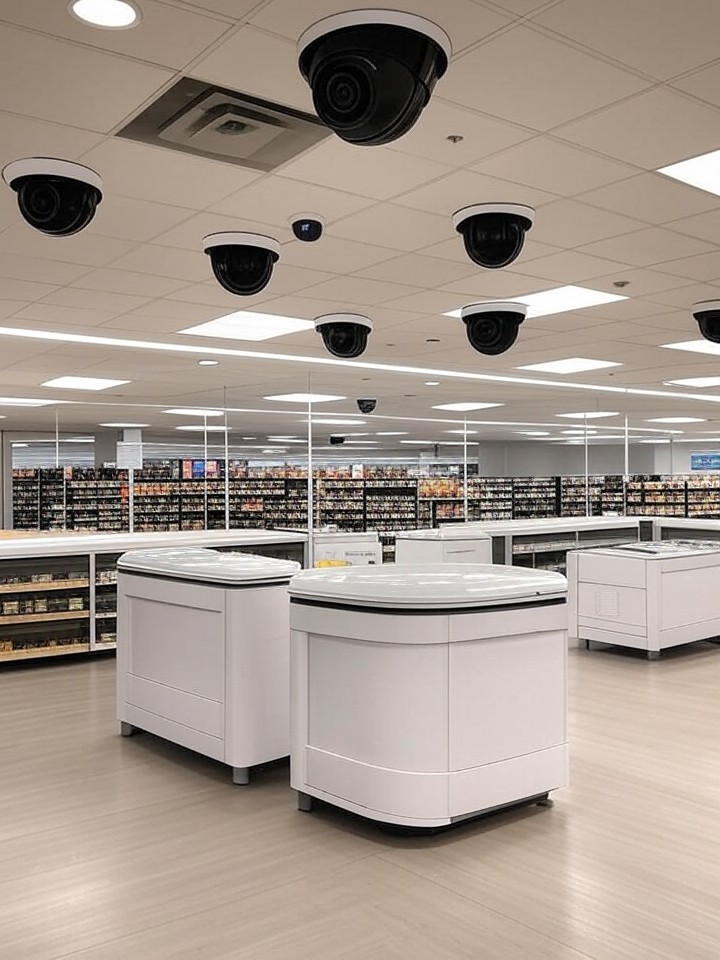
At the heart of Wegmans’ system is sophisticated facial recognition software, likely powered by AI algorithms that map facial features into digital identifiers. According to a piece in Facilities Dive, the program originated in New York City stores as a security pilot, initially limited to employees. By 2026, it had extended to customers, with cameras discreetly placed at entrances and key points within the store.
The technology doesn’t just capture images; it processes them in real-time, comparing against databases of known individuals. Privacy experts worry about false positives, where innocent shoppers could be flagged erroneously, leading to unwarranted scrutiny. Moreover, the collection of additional biometrics like voiceprints, as mentioned in some notices, adds layers of complexity to data privacy debates.
Wegmans has been tight-lipped about specific vendors or technical details, but industry parallels suggest partnerships with firms specializing in retail security tech. This opacity contrasts with calls for transparency, as consumers demand to know how long their data is stored and under what conditions it might be accessed by authorities.
Consumer Backlash and Advocacy Efforts
The backlash has been swift and vocal. A blog post from Adafruit Industries provides a comprehensive guide for shoppers to resist such surveillance, advocating tactics like wearing disguises or opting for stores without these systems. It urges readers to contact legislators and support privacy-focused organizations, framing the issue as a battle for civil liberties in the digital age.
Social media amplifies these concerns, with X users sharing tips on avoiding facial scans, such as using hats or masks—reminiscent of pandemic-era habits. One post likened the experience to entering a high-security facility rather than a neighborhood grocer, garnering thousands of views and fueling petitions against the practice.
Advocacy groups like Big Brother Watch have condemned similar rollouts in other retailers, arguing that treating all customers as potential suspects undermines trust. Their statements, echoed in online discussions, call for bans on unchecked biometric use in public spaces, drawing parallels to international regulations in Europe under GDPR.
Legal and Ethical Dimensions
From a legal standpoint, the U.S. lacks a comprehensive federal framework for biometric data, leaving states to fill the gaps. Illinois’ Biometric Information Privacy Act (BIPA) serves as a model, having led to multimillion-dollar settlements against companies mishandling such data. New York is considering similar legislation, as reported by NBC Boston, which could force Wegmans to obtain explicit consent or face penalties.
Ethically, the debate centers on consent and necessity. Is facial recognition truly essential for retail security, or is it an overreach? Experts argue that less invasive alternatives, like traditional CCTV or increased staffing, could achieve similar results without compromising privacy. Wegmans’ expansion, detailed in Central Current, leaves open the possibility of broader implementation, heightening these concerns.
Furthermore, data security risks loom large. Breaches could expose sensitive biometric information, which, unlike passwords, can’t be changed. This vulnerability is a recurring theme in industry analyses, underscoring the need for robust safeguards.
Industry Responses and Future Trajectories
Wegmans isn’t alone in navigating this terrain. Other chains, as noted in posts on X, are experimenting with biometrics for personalized marketing, blending security with commerce. Microsoft-powered systems in stores like Kroger exemplify this trend, where facial data informs targeted ads or pricing, as discussed in The Takeout.
In response, some retailers are backpedaling amid public outcry. Wegmans has issued statements reassuring customers that data is anonymized and deleted after use, but skeptics demand independent audits. Industry conferences are abuzz with discussions on ethical AI deployment, with calls for self-regulation to preempt stricter laws.
Looking ahead, the integration of biometrics could redefine retail interactions. Imagine loyalty programs tied to facial IDs, streamlining checkouts but at the cost of privacy. Advocates push for innovation that prioritizes user rights, suggesting opt-in models or blockchain for secure data handling.
Voices from the Ground and Expert Insights
Shoppers interviewed in various reports express mixed feelings. Some appreciate the added security in high-crime areas, while others feel violated. A Fox News article from Fox News captures this divide, quoting customers who discovered the surveillance via viral signs and now shop elsewhere.
Experts in data privacy, such as those from the Electronic Frontier Foundation, warn of slippery slopes toward mass surveillance. They reference global examples, like China’s extensive facial recognition networks, as cautionary tales. In the U.S., the focus is on preventing similar escalations through informed policy.
Technologists argue for balanced approaches, where AI enhances experiences without overreach. Innovations like privacy-preserving facial recognition, which processes data on-device without storage, could mitigate risks, though adoption remains slow.
Pathways to Resistance and Reform
For those opposed, practical steps abound. The Adafruit guide suggests simple countermeasures: altering appearances with accessories or choosing competitors without surveillance. Collective action, like boycotts or class-action lawsuits, has proven effective in past privacy battles.
On the reform side, bipartisan efforts in Congress aim to establish national standards. Bills inspired by state laws could mandate transparency and consent, potentially reshaping how retailers like Wegmans operate.
Ultimately, this controversy highlights a pivotal moment in retail technology. As biometric tools become commonplace, the choices made now will determine whether they serve as guardians of safety or intruders on privacy. Wegmans’ case may well set precedents, influencing how grocers worldwide approach the delicate interplay of innovation and individual rights.
Beyond Wegmans: A Broader Retail Shift
Expanding the view, similar implementations appear in international chains. In the UK, groups like Big Brother Watch have spotlighted Farmfoods’ use of facial recognition, labeling it as treating shoppers as suspects. This global pattern underscores the need for harmonized regulations.
In the U.S., smaller grocers are watching closely, some adopting wait-and-see attitudes amid the backlash. Economic analyses suggest that privacy scandals could impact brand loyalty, with consumers increasingly valuing data ethics alongside product quality.
As 2026 progresses, ongoing news coverage will likely reveal more about Wegmans’ plans, especially regarding expansion beyond NYC. Whether this leads to scaled-back programs or fortified defenses remains to be seen, but the dialogue it sparks is crucial for informed progress.
Navigating the Data-Driven Future
In-depth examinations reveal that biometric surveillance isn’t just about security—it’s a data goldmine. Retailers could leverage it for inventory management or customer insights, as hinted in AOL coverage of Wegmans’ practices.
To counter this, education plays a key role. Workshops and online resources empower consumers to understand and challenge these systems. Tech ethicists advocate for “privacy by design,” embedding protections from the outset.
The Wegmans saga encapsulates the tensions of our tech-infused world, where convenience often clashes with autonomy. As stakeholders from shoppers to CEOs grapple with these issues, the outcome could redefine trust in everyday commerce.


 WebProNews is an iEntry Publication