
Waymo’s Ojai Gambit: Rebranding a Chinese-Built Robotaxi for American Roads
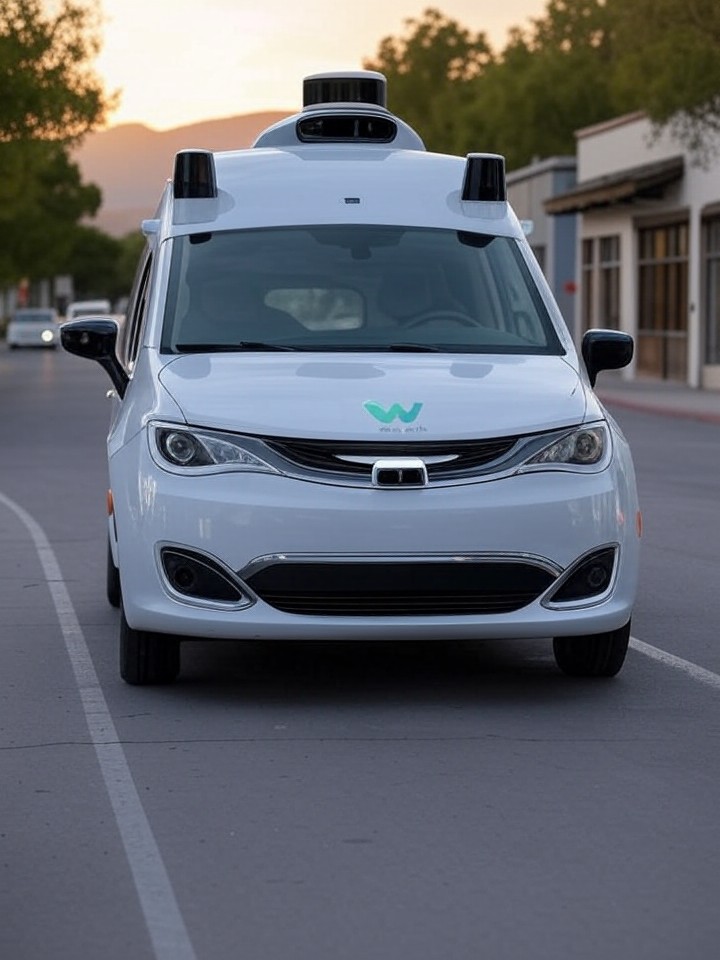
In the fast-evolving world of autonomous vehicles, Waymo has made a notable move by rebranding its robotaxi developed in partnership with Chinese automaker Zeekr. The vehicle, previously known as the Zeekr RT, is now called the Ojai, a name that evokes a sense of calm and approachability, drawing from the serene California town. This shift comes as Waymo prepares to deploy the electric van across various U.S. markets later in 2026, signaling a broader strategy to make self-driving technology more relatable to everyday consumers. The rebranding was unveiled at CES 2026, where Waymo showcased the Ojai’s features, including its integration with the company’s sixth-generation autonomous driving system.
The partnership between Waymo, a subsidiary of Alphabet Inc., and Zeekr, owned by Geely Holding Group, dates back to 2021. Initially, the collaboration aimed to create a purpose-built robotaxi based on Zeekr’s SEA-M architecture, tailored for mobility services like ride-hailing and logistics. Early prototypes, revealed in 2022 at an event in Los Angeles, featured innovative designs without steering wheels, emphasizing full autonomy. However, the version displayed at CES 2026 includes a steering wheel, a practical adjustment likely influenced by regulatory requirements and testing needs in diverse urban environments.
According to reports, the Ojai is equipped with an array of sensors: 13 cameras, four lidar units, six radars, and external audio receivers for detecting emergency signals. These components represent a refinement from previous generations, such as the Jaguar I-Pace models currently in Waymo’s fleet, which had more cameras but potentially higher complexity. The inclusion of tiny sensor wipers and a centralized fluid reservoir highlights Waymo’s focus on reliability in various weather conditions, a critical factor for scaling operations.
Evolution of Hardware and Design Choices
Waymo’s decision to rebrand stems partly from Zeekr’s limited brand recognition in the U.S., as explained by spokesperson Chris Bonelli. By choosing “Ojai,” pronounced “oh-hi,” the company aims to create a friendly persona for the vehicle. Riders will be greeted with a personalized “Oh hi” message upon entry, blending technology with a touch of warmth. This approach contrasts with the more technical naming of past models and reflects a marketing strategy to demystify autonomous rides for the general public.
Testing and development have been extensive, with the Ojai undergoing trials in cities like Phoenix and San Francisco. Recent sightings, including a charging session in San Diego as reported by Reuters on X, indicate preparations for expansion into new areas. Posts on X from users like Nic Cruz Patane have detailed the vehicle’s fast-charging capabilities and sensor suite, noting reductions in camera and lidar counts compared to the fifth-generation hardware on Jaguar vehicles. These observations underscore Waymo’s efforts to optimize costs and efficiency without compromising safety.
The Ojai’s design as a boxy electric van departs from the sleeker Jaguar I-Pace, offering more interior space for passengers and potentially lower production costs. Waymo plans to phase in the Ojai alongside Hyundai Ioniq 5 models, with about 1,000 more I-Pace units still on order. This multi-vehicle strategy allows flexibility as the company expands into cities such as Austin, Los Angeles, Atlanta, and potentially Minneapolis, London, Tokyo, and New York.
Strategic Implications in a Competitive Field
Industry analysts see the rebranding as a savvy move amid geopolitical tensions and consumer preferences. With Zeekr being a Chinese brand, associating the robotaxi with a quintessentially American name like Ojai could mitigate potential biases or regulatory scrutiny. A piece in the Mezha highlights how this simplifies perception for American users, avoiding unfamiliar foreign branding in a market sensitive to supply chain origins.
Waymo’s expansion mode in 2025 set the stage for this launch, with rapid growth beyond its initial Phoenix base. The company’s ability to operate in complex urban settings, backed by millions of miles of driving data, positions it ahead of competitors like Cruise and Tesla in the robotaxi space. However, challenges remain, including public trust after incidents involving other autonomous vehicles and the need for seamless integration with city infrastructures.
The Ojai’s wellness-focused branding, as described in 24 Brussels, suggests Waymo is not just selling transportation but an experience. Features like spacious interiors and advanced climate control aim to make rides comfortable, potentially attracting users wary of traditional taxis. This user-centric design could be key in differentiating Waymo in a crowded field.
Technological Advancements and Future Deployments
Diving deeper into the tech, the sixth-generation system on the Ojai reduces sensor count for streamlined manufacturing and maintenance. As noted in posts on X by Sawyer Merritt, the hardware includes heaters, wipers, and sprayers to keep sensors clear, essential for operations in rain or snow. This evolution from the 29 cameras on the Jaguar models to 13 on the Ojai demonstrates Waymo’s confidence in software advancements to handle perception with fewer inputs.
Deployment plans remain somewhat guarded, but Waymo has indicated the Ojai will roll out across existing markets without specifying new cities immediately. Chris Bonelli, in comments to the San Francisco Chronicle, emphasized broad integration. This cautious approach allows for iterative improvements based on real-world data, a hallmark of Waymo’s methodology.
Comparisons with rivals reveal Waymo’s edge in operational scale. While Tesla’s Cybercab concepts generate buzz, Waymo’s active fleet and partnerships provide tangible progress. The Zeekr collaboration leverages cost-effective manufacturing from China, potentially undercutting competitors’ expenses, though it invites scrutiny over data security and trade policies.
Market Dynamics and Consumer Adoption
Consumer sentiment, as gleaned from recent X posts, shows excitement mixed with curiosity. Users like Yogi Liman have questioned the challenges of embracing autonomous rides, pointing to the rebranding as a step toward greater acceptance. The playful “Oh hi” greeting could humanize the tech, addressing psychological barriers to adoption.
Economically, the Ojai represents a shift toward scalable, purpose-built vehicles. By moving beyond retrofitted luxury SUVs like the I-Pace, Waymo aims for higher utilization rates and lower per-mile costs. Analysts project that robotaxis could disrupt ride-hailing giants like Uber, with Waymo’s service already operational in select areas without human drivers.
Regulatory hurdles persist, particularly with vehicles manufactured abroad. The inclusion of a steering wheel in the latest Ojai prototype may facilitate compliance with U.S. safety standards, allowing for manual overrides during testing. As reported in InsideEVs, this adaptability is crucial as Waymo eyes international expansion.
Broader Industry Ramifications
Looking ahead, the Ojai’s launch could accelerate the normalization of autonomous mobility. Partnerships like this with Zeekr highlight global supply chains’ role in innovation, even as domestic policies push for localization. Waymo’s strategy of rebranding to appeal locally while sourcing globally exemplifies navigating these tensions.
Innovation in sensor cleaning, such as the mini wipers detailed in X posts, addresses practical challenges that have plagued autonomous tech. These details, though small, are vital for reliability in diverse conditions, from California’s sunshine to potential snowy deployments in Minneapolis.
Ultimately, the Ojai embodies Waymo’s vision for a future where self-driving vehicles are ubiquitous. By blending advanced tech with approachable branding, the company is positioning itself to lead in transforming urban transportation, one “Oh hi” at a time.
Refining Autonomy Through Partnerships
The Geely-Zeekr alliance has proven fruitful, with the SEA-M platform providing a flexible base for customization. Early concepts without steering wheels gave way to more pragmatic designs, reflecting feedback from rigorous testing phases. This iterative process, as covered in TechCrunch, underscores Waymo’s commitment to safety and scalability.
Expansion into new markets will test the Ojai’s mettle. With plans for Austin and beyond, Waymo must navigate varying traffic patterns and regulations. Success here could validate the rebranding’s effectiveness in building consumer trust.
In the broader context, this move signals maturing industry practices. As autonomous tech advances, companies like Waymo are focusing on user experience alongside engineering prowess, potentially setting new standards for the sector.
Navigating Geopolitical and Economic Currents
Geopolitical factors play a subtle role in the rebranding. Amid U.S.-China trade dynamics, distancing from the Zeekr name, as suggested in another Mezha article, helps Waymo appeal to a patriotic consumer base. This tactic mirrors strategies in other industries where origin branding is downplayed.
Economically, the cost savings from Zeekr’s manufacturing could enable competitive pricing for rides, undercutting human-driven services. Waymo’s data from millions of miles positions it to refine AI models efficiently, a competitive moat.
As the year progresses, monitoring the Ojai’s rollout will reveal much about autonomous adoption rates. With features tailored for comfort and reliability, Waymo is betting on a seamless integration into daily life, reshaping how we think about mobility.


 WebProNews is an iEntry Publication