
The Overlooked Peril in Walmart’s Payment Stance: Why Shunning Apple Pay Poses Real Security Threats
In the ever-evolving world of retail payments, Walmart’s persistent refusal to adopt Apple Pay has sparked renewed debate among technology experts and consumers alike. As one of the largest retailers in the United States, with over 4,500 stores, Walmart’s decision affects millions of shoppers daily. Recent discussions highlight not just inconvenience but potential security vulnerabilities that arise from this choice. According to a detailed analysis in 9to5Mac, the retail giant’s stance could inadvertently expose customers to greater risks compared to competitors who embrace contactless payment technologies.
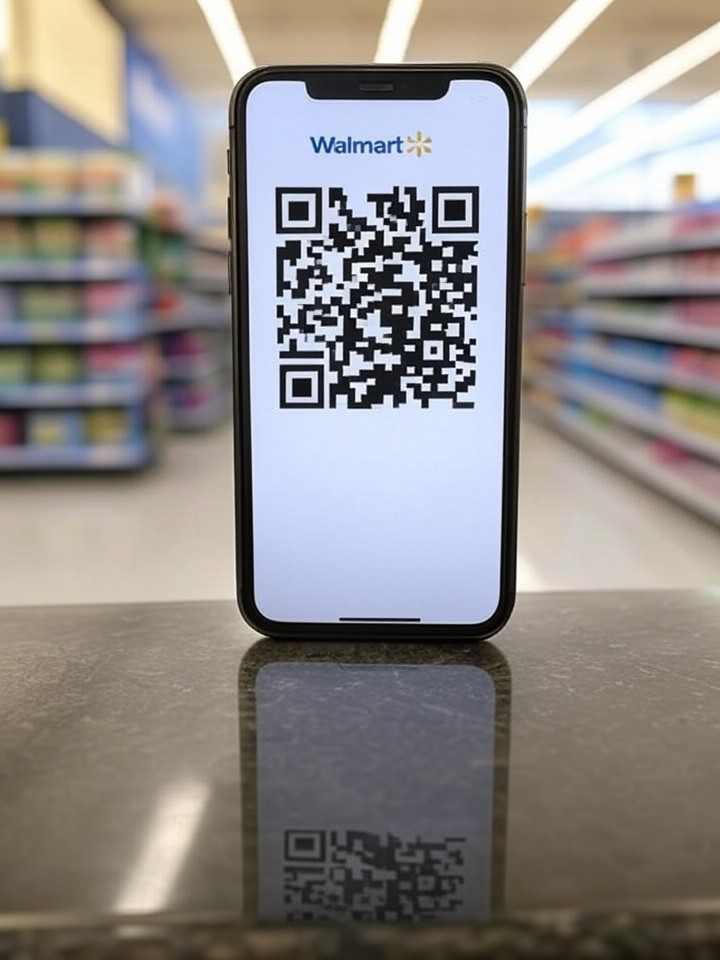
At the heart of the issue is Walmart’s promotion of its proprietary Walmart Pay system, which relies on QR code scanning rather than near-field communication (NFC) technology used by Apple Pay. This approach allows Walmart to collect extensive customer data, fueling its analytics and loyalty programs. However, critics argue that by forcing customers into less secure alternatives, such as swiping physical cards or using chip-and-PIN methods, Walmart is lagging behind in payment security standards. Apple Pay, for instance, employs advanced tokenization, generating unique, one-time codes for each transaction that never expose actual card details to merchants.
This security feature of Apple Pay has been praised for reducing fraud risks significantly. Industry reports indicate that token-based payments can cut counterfeit fraud by up to 90% in some scenarios. Yet, Walmart’s infrastructure remains steadfastly opposed to NFC, a decision rooted in strategic business choices rather than technological limitations. As noted in various tech publications, this isn’t a new position; Walmart has maintained it for years, even as rivals like Target and Costco have integrated Apple Pay seamlessly.
The Strategic Roots of Walmart’s Resistance
Walmart’s aversion to Apple Pay stems from a desire to control the customer experience and data flow. By channeling payments through Walmart Pay, the company gains insights into shopping habits, preferences, and even location data via app usage. This data is invaluable for targeted marketing and inventory management. In contrast, Apple Pay anonymizes much of this information, limiting what retailers can glean from transactions. A post on Dataconomy explains that Walmart views NFC payments as a threat to its ecosystem, preferring QR codes that integrate directly with its app and Walmart+ services.
Moreover, financial incentives play a role. Apple Pay charges merchants a small fee per transaction, which Walmart avoids by sticking to its own system. This cost-saving measure, while beneficial to the bottom line, comes at the expense of customer convenience and security. Recent social media chatter on platforms like X underscores growing frustration, with users pointing out that in an era of rising cyber threats, retailers should prioritize secure payment options over proprietary gains.
Experts in payment technology argue that Walmart’s approach is increasingly outdated. With the rise of digital wallets, consumers expect frictionless, secure transactions. Forcing shoppers to use physical cards increases the risk of skimming devices at point-of-sale terminals, a vulnerability that contactless payments mitigate through encryption and biometric authentication like Face ID or Touch ID on Apple devices.
Unpacking the Security Advantages of Apple Pay
Delving deeper into the technology, Apple Pay’s security model is built on multiple layers of protection. When a user adds a card to their wallet, the actual card number isn’t stored on the device or Apple’s servers; instead, a Device Account Number is assigned and encrypted. Each transaction uses a dynamic security code, making it nearly impossible for hackers to reuse stolen data. This is in stark contrast to traditional magnetic stripe or even chip cards, which can be compromised through data breaches at the merchant level.
Posts from technology enthusiasts on X have highlighted these benefits, with one user describing Apple Pay as “a genuine feat of engineering” immune to skimming due to its unique, time-limited tokens. Such sentiments align with broader industry data showing lower fraud rates for NFC payments. For Walmart customers, the absence of this option means relying on methods that transmit full card details, potentially exposing them to risks if the retailer’s systems are breached—a scenario not unheard of in retail history.
Furthermore, Walmart’s insistence on Walmart Pay requires customers to download an app and link payment methods, which introduces its own set of privacy concerns. While the app offers features like scan-and-go shopping, it also tracks user behavior more invasively than Apple Pay, which shares minimal data with merchants. An article in MacRumors notes that this ban extends to all NFC methods, including Google Pay and Samsung Pay, affecting a wide swath of smartphone users.
Consumer Impact and Market Reactions
The real-world implications for shoppers are tangible. Imagine a busy Walmart checkout line where a customer fumbles for their physical wallet, exposing their card to potential onlookers or skimmers. In contrast, Apple Pay users at other stores simply tap their phone or watch, completing the transaction securely in seconds. This disparity has led to vocal complaints on social media, with some users vowing to shop elsewhere due to the inconvenience and perceived risks.
Market analysts suggest that Walmart’s position may be eroding its competitive edge. Competitors like Amazon and smaller chains have embraced contactless payments, attracting tech-savvy demographics. A report from USA Weekly outlines alternative payment methods at Walmart, such as cash, checks, and gift cards, but emphasizes the lack of modern options as a drawback in 2026.
Regulatory pressures could also come into play. As governments worldwide push for stronger data protection laws, retailers ignoring secure payment standards might face scrutiny. In the U.S., while there’s no mandate for NFC adoption, consumer advocacy groups are increasingly calling out practices that prioritize profits over security.
Broader Industry Implications and Future Outlook
Looking beyond Walmart, this situation raises questions about the balance between innovation and control in retail. Other giants, like Kroger, initially resisted but eventually adopted Apple Pay, recognizing the benefits in customer satisfaction and reduced fraud costs. Walmart’s holdout could inspire similar stances from other retailers, potentially slowing the adoption of secure technologies across the sector.
From a cybersecurity perspective, experts warn that outdated payment systems contribute to a fragmented environment where vulnerabilities persist. A breach at a major retailer like Walmart could have cascading effects, eroding consumer trust in digital payments overall. Insights from iPhoneAddict.fr discuss how Walmart’s global influence amplifies this issue, as its policies affect international markets where contactless payments are more normalized.
Innovations in payment tech continue to evolve, with biometric enhancements and blockchain-based systems on the horizon. For Walmart to remain relevant, integrating Apple Pay or similar could be essential, not just for convenience but to align with best practices in security.
Voices from the Tech Community and Potential Shifts
Tech insiders and analysts are divided on whether Walmart will budge. Some predict that competitive pressures, especially from online retail, might force a change. Others believe the company’s data-driven strategy is too entrenched. Discussions on X reveal a mix of frustration and calls for boycotts, with users emphasizing that “tap to pay is a security feature, not just for convenience.”
In interviews with payment experts, the consensus is clear: Apple Pay’s tokenization represents a gold standard in fraud prevention. By not supporting it, Walmart isn’t just inconveniencing customers; it’s potentially leaving them more exposed to identity theft and financial fraud.
As we move further into 2026, with Apple reporting record growth in services as per their own announcements, the pressure on holdouts like Walmart intensifies. Retailers must weigh the short-term gains of proprietary systems against long-term risks to customer loyalty and security.
Exploring Alternatives and Mitigation Strategies
For consumers navigating Walmart’s payment ecosystem, workarounds exist but fall short of ideal. Using the Walmart app for payments or opting for cash avoids some risks, but neither matches the seamless security of NFC. Some shoppers preload Walmart gift cards via Apple Pay online, then use them in-store, but this adds unnecessary steps.
Industry watchers recommend that Walmart invest in hybrid systems that incorporate NFC while retaining data benefits, perhaps through partnerships with Apple. Such moves could modernize their approach without sacrificing core strategies.
Ultimately, this debate underscores a pivotal tension in retail technology: the push for control versus the imperative for security. As threats evolve, Walmart’s stance may need reevaluation to safeguard its vast customer base.
The Path Forward for Retail Security
Envisioning a future where all major retailers adopt unified, secure payment standards could transform the shopping experience. Advocacy from consumers and tech communities might accelerate this shift, pressuring laggards like Walmart.
Recent news cycles, including updates from Filmogaz.com, reiterate Walmart’s ongoing refusal, sparking renewed discussions. By addressing these security gaps, Walmart could not only enhance customer trust but also position itself as a leader in innovative retail practices.
In the end, the story of Walmart and Apple Pay serves as a cautionary tale for the industry, highlighting how business decisions can inadvertently heighten risks in an increasingly digital world.


 WebProNews is an iEntry Publication