
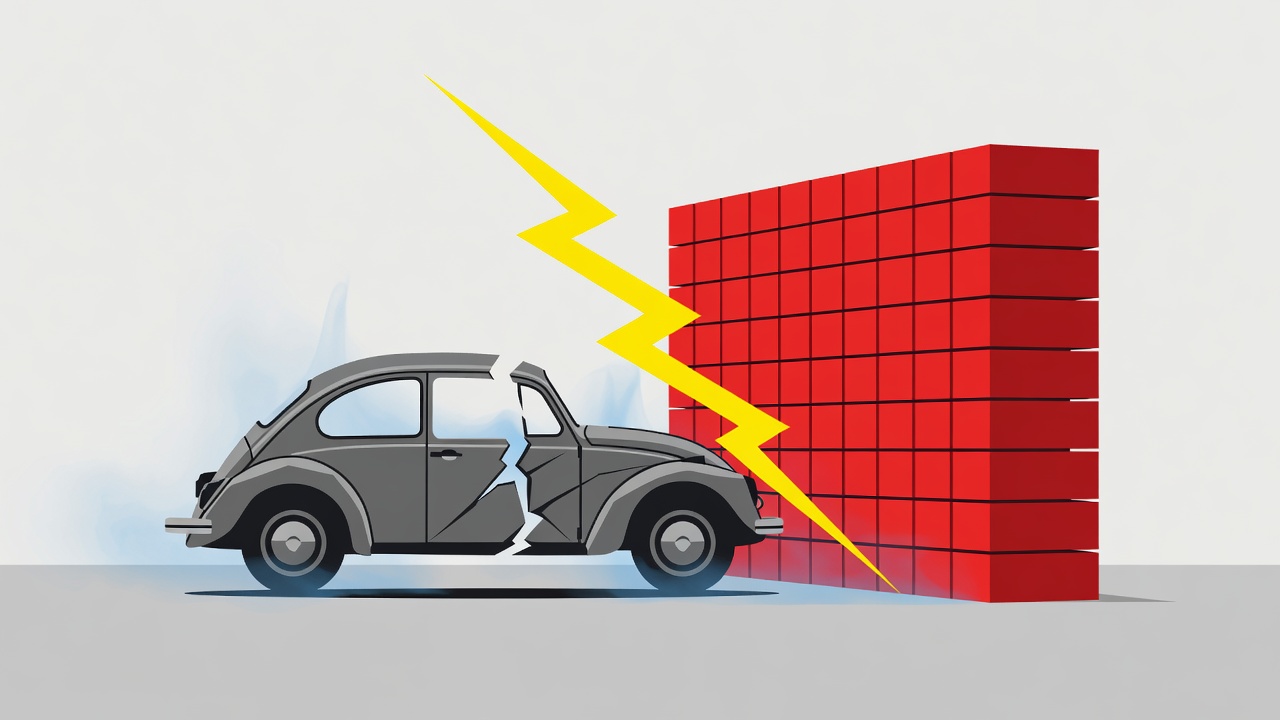
Volkswagen Group stands at a crossroads. Profit margins have halved. Deliveries fell 8.6 percent in the second quarter. Competition from Chinese makers bites harder each month. Tariffs from the United States add billions in costs. And now the company’s ambitious restructuring proposal lies rejected.
CEO Oliver Blume presented the plan to the supervisory board on Thursday. It called for production capacity to drop to 9 million vehicles a year from 10 million. The model lineup would shrink by as much as half. Equipment options could fall 75 percent. Complexity would give way to focus on high-demand segments, mostly crossovers.
Yet the board voted it down, 12 to 7. Labor representatives led the opposition. Reuters reported the labor bloc’s resistance blocked the measure outright. Volkswagen’s own public statement avoided any talk of job losses or factory shutdowns. It spoke only of streamlined offerings and better alignment with market demand.
But whispers of deeper pain circulated for weeks. Reports pointed to as many as 100,000 job cuts by 2030. Four German plants—Hanover, Emden, Zwickau and Audi’s Neckarsulm site—stood at risk of closure. Such moves would mark the first factory shutdowns in the automaker’s nearly 90-year history. They would also shatter agreements struck in late 2024 that ruled out compulsory layoffs and domestic plant closures through 2030.
Unions wasted no time. IG Metall organized coordinated protests across Volkswagen sites on Thursday. Workers blew whistles. They waved red flags. Banners proclaimed strength in unity. Thorsten Groeger, an IG Metall official, stood outside headquarters in Wolfsburg. “Whoever takes on the workers is risking a major conflict,” he told reporters, according to Yahoo Finance coverage of the events.
Christiane Benner, head of IG Metall, joined works council chief Daniela Cavallo in a joint statement. “If these plans came to fruition, we would stop them with all our might.” The message left no room for compromise. Labor holds half the seats on the 20-member supervisory board. The state of Lower Saxony controls two more. That structure gives unions and government significant sway over decisions that affect thousands of livelihoods.
Blume acknowledged the pressure. “The global situation has continued to deteriorate over the past twelve months,” he said. “That is why we are acting now.” His words appeared in a Reuters dispatch ahead of the board meeting. The plan built on earlier efforts. A 2024 deal with unions already targeted more than 35,000 job reductions by 2030. That figure grew to 50,000 by March. The latest push appeared ready to double down.
Power Struggle in the Boardroom
The rejection highlights a fundamental tension. Management sees urgent need for speed. Labor sees threats to long-standing protections. The works council demanded clarity on further cost cuts by the end of Friday. Its letter to staff carried a blunt warning. “The second half of the year is going to be tough.”
Lower Saxony’s premier, Olaf Lies, tried to strike a measured tone. “Everyone involved is fully aware that Volkswagen and the automotive industry as a whole are currently facing a critical situation, with an extremely challenging international competitive environment.” His comments, carried by multiple outlets including Reuters, underscored the stakes without endorsing specific measures.
Analysts and insiders point to structural problems that run deeper than any single plan. Excess capacity in German plants clashes with softening demand. Electrification carries high costs. Chinese rivals offer comparable electric vehicles at lower prices. U.S. tariffs compound the damage. Profit erosion reflects all these forces at once.
Jonathan M. Gitlin of Ars Technica noted the plan’s public version omitted direct references to closures or redundancies. Even so, the supervisory board sent it back. Blume and his team must regroup. New ideas will need to satisfy both financial imperatives and labor demands. That balance has proven elusive before.
Protests continued into Friday. Union leaders signaled readiness to escalate industrial action if management tries to reopen prior job-security commitments. The works council and IG Metall have vowed to fight any attempt to close plants or impose mass layoffs. Their influence within Volkswagen’s governance makes that threat credible.
So the impasse persists. Volkswagen must cut costs. Unions refuse to accept pain without guarantees. The coming weeks will test whether compromise remains possible or whether conflict becomes inevitable. One thing looks clear. The status quo no longer works. Change must come. The only question is what form it will take. And who will bear its weight.


 WebProNews is an iEntry Publication