
Buttons Reborn: Volkswagen’s Pivot Back to Tactile Controls in a Screen-Dominated Era
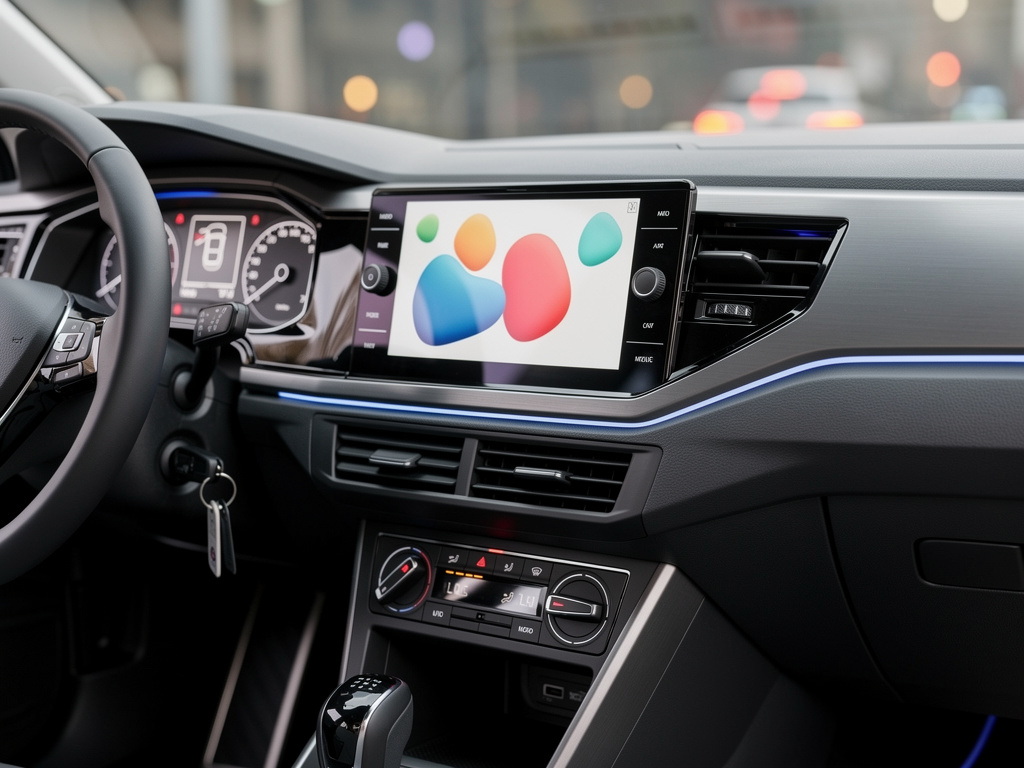
In the ever-evolving world of automotive design, Volkswagen has made a bold move that signals a potential shift in how drivers interact with their vehicles. The German automaker recently unveiled the interior of its upcoming ID. Polo electric vehicle, showcasing a return to physical buttons and knobs for key functions. This decision comes after years of criticism from consumers and critics alike who argued that touchscreen-heavy interfaces were distracting and less intuitive. As revealed in a recent article from Car and Driver, the ID. Polo’s cabin features dedicated buttons on the steering wheel and dashboard, including a volume knob, marking a departure from the haptic touch controls that dominated recent VW models.
This reversal isn’t just a cosmetic tweak; it’s a response to widespread feedback highlighting safety and usability concerns. Drivers have long complained that fumbling with touchscreens while on the road increases the risk of accidents, a sentiment echoed in various industry reports. Volkswagen’s design team, under the leadership of figures like Andreas Mindt, has acknowledged these issues, stating that the move aims to blend modern technology with practical, hands-on controls. The ID. Polo, set for a European debut later this year, may not reach U.S. shores, but the company has indicated this interior philosophy will influence future models globally.
Beyond the buttons themselves, the ID. Polo’s interior nods to Volkswagen’s heritage, incorporating elements reminiscent of classic Golf models. Fabric dashboards and tactile switchgear evoke a sense of nostalgia while addressing contemporary demands for safer driving experiences. Industry observers note that this could set a precedent, as other manufacturers grapple with similar dilemmas in their quest for sleek, futuristic cabins.
Industry Backlash Against Touchscreen Overload
The pushback against all-touch interfaces has been building for some time. In recent years, automakers like Volkswagen embraced large infotainment screens and capacitive touch controls to create minimalist, high-tech interiors. However, this trend often sacrificed ergonomics for aesthetics. A post on X from automotive journalist David Zipper back in 2023 highlighted early signs of this reversal, praising Volkswagen’s initial announcements to reinstall button controls. Such sentiments have only grown, with drivers reporting frustration over the need to navigate menus for basic tasks like adjusting the air conditioning.
Safety organizations have amplified these concerns. Europe’s Euro NCAP, an independent crash-test body, has advocated for physical controls in critical areas to minimize distractions. According to a 2024 blog post from Tynan Motors, Euro NCAP’s guidelines could penalize vehicles relying too heavily on touchscreens, pushing manufacturers toward hybrid approaches. Volkswagen’s update aligns with these standards, potentially improving its safety ratings and market appeal.
Moreover, consumer feedback has been a driving force. Volkswagen’s own surveys revealed dissatisfaction with haptic sliders, which were prone to accidental activation and required eyes-off-road attention. As noted in a Gizmodo piece published on January 4, 2026, the company’s scheme to reintroduce buttons addresses these pain points, starting with budget EVs like the ID. Polo. This model, while modest, serves as a testbed for broader implementation across the lineup.
Volkswagen’s Design Evolution and Heritage Influences
Delving deeper into Volkswagen’s strategy, the ID. Polo’s interior represents a thoughtful evolution under design chief Andreas Mindt. Mindt, who joined Volkswagen in 2021, has emphasized a return to the brand’s roots, drawing inspiration from iconic models like the Golf. A Carscoops article from January 3, 2026, details how the electric hatchback’s cabin restores physical controls while incorporating subtle nods to vintage designs, such as textured fabrics and straightforward layouts.
This isn’t Volkswagen’s first attempt to refine its interfaces. Previous models like the ID.3 and ID.4 featured innovative but flawed touch-sensitive steering wheel controls, which often confused users. Posts on X from users like Car Dealership Guy in March 2025 captured the excitement around Volkswagen’s commitment to physical buttons, quoting the company on avoiding past “mistakes.” The steering wheel in the ID. Polo now boasts proper buttons, eliminating the guesswork associated with haptic feedback.
Furthermore, the inclusion of a physical volume knob exemplifies the practical benefits. As described in an Engadget report dated January 3, 2026, this tactile element allows for quick adjustments without diverting attention from the road. Volkswagen’s approach balances innovation with reliability, ensuring that screens handle complex tasks while buttons manage essentials.
Safety Implications and Regulatory Pressures
The safety ramifications of this shift cannot be overstated. Studies from organizations like the AAA Foundation for Traffic Safety have shown that touchscreen interactions can take drivers’ eyes off the road for up to 40 seconds—far longer than with physical controls. Volkswagen’s decision to reinstate buttons directly tackles this, potentially reducing accident rates. A Fleet News article from January 5, 2026, showcases how the new interior architecture welcomes back physical switchgear, prioritizing driver focus.
Regulatory bodies are also influencing this trend. In Europe, stricter safety mandates are compelling automakers to rethink interface designs. The Euro NCAP’s evolving criteria, as mentioned earlier, reward vehicles with intuitive controls, which could affect star ratings and sales. Volkswagen, aiming to maintain its competitive edge, is proactively adapting to these pressures.
On a broader scale, this move reflects a maturing understanding of human-machine interaction in vehicles. While touchscreens offer versatility for features like navigation and entertainment, they falter in high-stakes environments. Insights from a MotorWeek post on January 6, 2026, describe Volkswagen’s next-gen cockpit as a reimagined design language, featuring “droves of physical switchgear” to counter the industry’s touchscreen obsession.
Comparisons with Competitors and Market Trends
Volkswagen isn’t alone in this reevaluation. Rivals like Hyundai, Mercedes-Benz, and Porsche are also incorporating more physical controls after similar feedback. A Firstpost article from just 17 hours ago, as of January 7, 2026, explains how these brands are reversing the touchscreen trend due to distraction risks, with research indicating slower reaction times. Hyundai, for instance, has added knobs in recent models, while Mercedes has refined its MBUX system to include more haptic alternatives.
In contrast, some Chinese automakers continue to favor expansive screens, as noted in an X post from PrFlare on January 6, 2026. This divergence highlights varying priorities: Western brands emphasize safety and tradition, while emerging players push digital innovation. Volkswagen’s balanced approach could appeal to a wide audience, blending the best of both worlds.
Market trends suggest a growing demand for hybrid interfaces. According to a CarExpert piece from two days ago, the ID. Polo’s functional yet premium interior signals Volkswagen’s intent to cater to discerning buyers. This could influence sales, especially in Europe where EVs are booming, and safety is paramount.
Future Prospects and Technological Integration
Looking ahead, Volkswagen’s button revival might extend to advanced features like voice control and AI assistants, complementing physical inputs. The company has hinted at integrating these in models beyond the ID. Polo, potentially including U.S.-bound vehicles like updated ID. Buzz variants. An Overdrive article from 18 hours ago details the 2026 ID. Polo’s return to tactile buttons for climate and hazard functions, aligning with global design shifts.
This pivot also raises questions about cost and manufacturing. Physical buttons add complexity but could reduce warranty claims from faulty touch systems. Industry insiders speculate that Volkswagen’s move will pressure suppliers to innovate durable, affordable switchgear.
Moreover, as autonomous driving advances, the role of manual controls may evolve, but for now, buttons provide a reassuring human element. Posts on X, such as one from Sawyer Merritt in March 2025, underscore customer-driven decisions, with Volkswagen’s design boss affirming, “It’s a car, not a phone.”
Economic and Consumer Impact
Economically, this design change could bolster Volkswagen’s position amid fierce EV competition. By addressing usability gripes, the company might attract buyers wary of overly digital cabins. A Drive post from January 5, 2026, notes the ID. Polo’s interior as a significant shift, retaining touchscreens for non-essential functions while prioritizing buttons for safety-critical ones.
Consumer sentiment, as gauged from X discussions, is overwhelmingly positive. Users appreciate the tactile feedback, viewing it as a win for practicality over gimmickry. This could enhance brand loyalty, especially among older demographics less enamored with tech-heavy interfaces.
In the U.S., where the ID. Polo won’t launch, enthusiasts await similar updates in models like the Tiguan or Atlas. Volkswagen’s global strategy ensures that lessons from Europe inform worldwide offerings, potentially standardizing this hybrid approach.
Broader Industry Reflections
Reflecting on the automotive sector’s journey, Volkswagen’s button comeback underscores a lesson in humility. After a decade of touchscreen dominance, the industry is recalibrating toward user-centric designs. An X post from Autocar in March 2025 quotes Volkswagen’s design chief vowing never to repeat the touchscreen “mistake,” emphasizing physical buttons on steering wheels.
This trend might inspire startups and legacy brands alike to prioritize ergonomics. As vehicles become more connected, balancing digital flair with tangible controls will be key to success.
Ultimately, Volkswagen’s initiative could mark the beginning of a more intuitive era in car interiors, where technology enhances rather than hinders the driving experience. With the ID. Polo leading the charge, the automotive world watches closely for the ripple effects.


 WebProNews is an iEntry Publication