
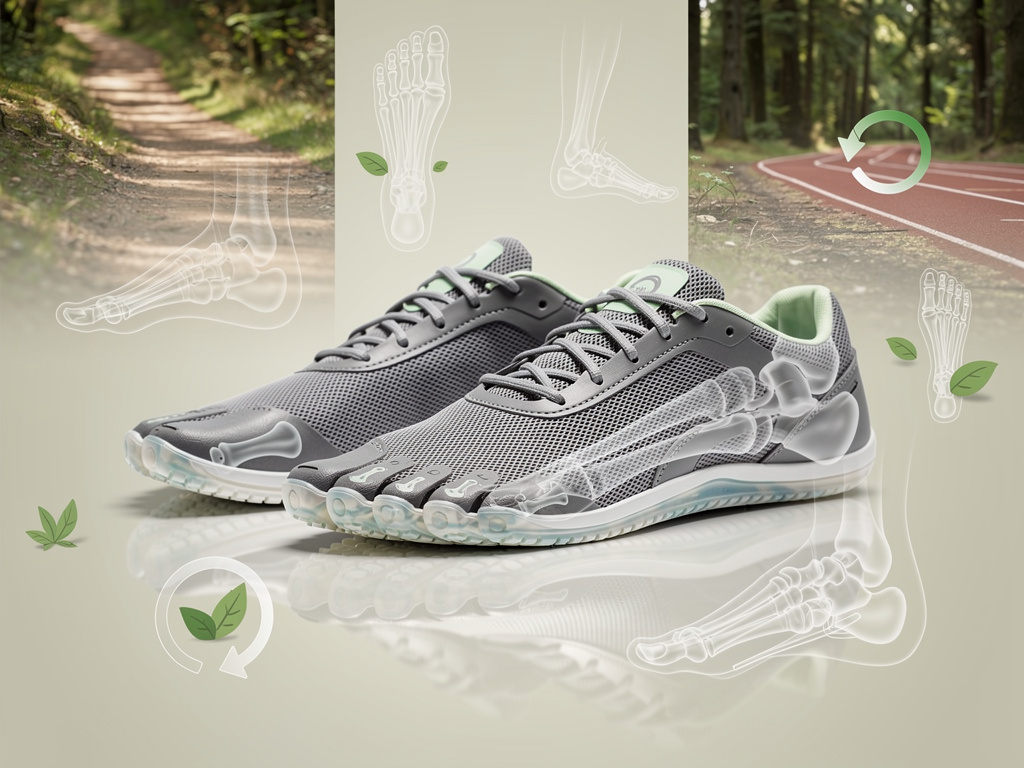
Vivobarefoot shoes have gained attention for their approach to footwear that emphasizes natural movement and foot health. These shoes stand out in the market by prioritizing designs that allow feet to function as they would without any shoes at all, drawing on principles from biomechanics and evolutionary biology. The brand, founded in 2012 by Galahad Clark, a descendant of the Clarks shoe family, aims to create products that reconnect people with the ground beneath them. This philosophy stems from the idea that modern shoes often restrict natural foot mechanics, leading to various issues over time. Vivobarefoot seeks to address this by offering minimalist options with thin soles, wide toe boxes, and flexible materials that encourage stronger feet and better posture.
One key aspect of Vivobarefoot’s lineup is the focus on barefoot simulation. The soles are typically just a few millimeters thick, providing minimal cushioning while still offering protection from rough surfaces. This design choice allows wearers to feel the terrain, which can improve balance and proprioception—the body’s sense of position and movement. For instance, models like the Primus Lite feature a patented puncture-resistant layer that’s only 4mm thick, combined with a breathable mesh upper made from recycled plastics. Such materials not only reduce environmental impact but also ensure the shoes remain lightweight and adaptable to various activities, from running to everyday walking.
Users often report a transition period when switching to these shoes, as the feet need time to adjust to the lack of arch support and thick padding found in traditional sneakers. This adjustment can strengthen foot muscles and alleviate common problems like plantar fasciitis or weak ankles. According to a review on Business Insider, testers found that after wearing Vivobarefoot shoes for several weeks, their feet felt more resilient and their overall gait improved. The review highlights how the shoes’ zero-drop design—meaning no elevation difference between heel and toe—promotes a more natural stride, potentially reducing strain on knees and hips.
Beyond the physical benefits, Vivobarefoot incorporates sustainable practices into its production. Many models use bio-based materials, such as algae-derived foams or wild hide leather sourced ethically. The company partners with organizations to minimize waste, and some shoes are designed for easy recycling or repair, extending their lifespan. This commitment aligns with growing consumer demand for eco-friendly products. For example, the Tracker Forest ESC boot uses Michelin rubber outsoles for durability in outdoor settings, while incorporating natural elements like cork insoles for added comfort without synthetic fillers.
In terms of performance, Vivobarefoot shoes excel in versatility. Runners appreciate models like the Magna Trail for off-road adventures, where the grippy sole provides traction on uneven ground without compromising the barefoot feel. Hikers and urban commuters alike praise the shoes for their packability and low weight, making them ideal for travel. However, not everyone finds them suitable for all terrains; in extremely cold or wet conditions, the thin construction might require additional layers or socks for insulation.
The brand’s sizing and fit deserve mention, as they differ from standard shoe measurements. Vivobarefoot recommends measuring feet accurately and often suggests going up a size to accommodate the wide toe box, which allows toes to splay naturally. This can feel unusual at first for those accustomed to narrower fits, but it contributes to better circulation and reduced risk of bunions or hammertoes. Customer feedback frequently notes this as a positive change, with many experiencing less foot fatigue after long days on their feet.
From a technological standpoint, Vivobarefoot integrates research-backed elements into its designs. The company collaborates with experts in podiatry and anthropology to refine its products. Studies referenced by the brand suggest that barefoot-style walking can enhance neural connections between the feet and brain, leading to improved coordination. This is particularly relevant for athletes seeking to optimize training. For casual users, the shoes serve as a tool for everyday wellness, encouraging more mindful movement in daily routines.
Comparisons with other minimalist brands, such as Merrell or Xero Shoes, reveal Vivobarefoot’s emphasis on premium materials and detailed craftsmanship. While competitors might offer similar thin soles, Vivobarefoot often stands out with its aesthetic appeal—shoes that look stylish enough for office wear yet perform in active scenarios. The Geo Court, for example, blends a sneaker-like appearance with barefoot functionality, making it a favorite for those bridging fashion and fitness.
Durability is another strong suit. Despite their minimalism, these shoes hold up well under regular use. The outsoles resist wear on pavement, and the uppers maintain integrity through repeated washings. Some users have reported logging hundreds of miles in a single pair without significant breakdown, attributing this to the high-quality components. Maintenance is straightforward: most models can be machine-washed on a gentle cycle, preserving their shape and color.
Pricing positions Vivobarefoot in the mid-to-high range, with most pairs costing between $100 and $200. This reflects the investment in sustainable sourcing and innovative design. For budget-conscious buyers, the brand occasionally offers sales or bundles, making entry more accessible. Warranties cover manufacturing defects, adding peace of mind.
Community aspects play a role in the brand’s appeal. Vivobarefoot fosters an online presence where users share experiences, tips for transitioning, and modifications for specific needs. This support network helps newcomers avoid common pitfalls, such as rushing the adaptation process, which could lead to temporary discomfort.
In athletic contexts, these shoes have been adopted by runners preparing for marathons or trail events. The enhanced ground feel can refine running form, potentially lowering injury rates. Coaches sometimes recommend them as part of a strength-building regimen, complementing exercises like toe yoga or balance drills.
For urban dwellers, Vivobarefoot provides options that blend seamlessly into city life. The Fulham model, with its leather upper, offers a polished look for professional settings while delivering the core benefits of barefoot design. This duality makes the shoes practical for those with varied lifestyles.
Environmental considerations extend to the company’s operations. Vivobarefoot tracks its carbon footprint and invests in reforestation projects, offsetting emissions from production and shipping. Such initiatives resonate with consumers prioritizing ethical purchases.
Potential drawbacks include the initial cost and the learning curve. Some find the lack of cushioning jarring on hard surfaces, especially if transitioning from heavily padded shoes. In such cases, gradual introduction—starting with short walks—proves effective.
Overall, Vivobarefoot represents a thoughtful alternative to conventional footwear, backed by science and user testimonials. The shoes encourage a return to fundamental human movement patterns, fostering healthier habits. Whether for fitness enthusiasts or those seeking comfort in routine activities, they offer a compelling choice.
Expanding on user experiences, many report improved posture after consistent use. By allowing the foot to flex and grip naturally, the shoes can realign the body’s alignment, reducing back pain for some. Office workers who stand for hours appreciate this, as do parents chasing active children.
In sports like yoga or Pilates, the thin soles enhance mat grip, providing better stability during poses. Climbers and boulderers use them for approach shoes, valuing the sensitivity to rock surfaces.
The brand’s kids’ line extends these benefits to younger users, promoting proper foot development from an early age. Models like the Primus School feature durable yet flexible construction, suitable for playgrounds and classrooms.
Innovation continues with seasonal releases, incorporating feedback to refine features. Recent additions include water-resistant treatments for rainy climates, broadening appeal.
For those with specific foot conditions, consulting a specialist before switching is advisable, as individual needs vary. Podiatrists often endorse minimalist shoes for certain patients, citing evidence of strengthened intrinsics.
Vivobarefoot’s global reach includes retail partnerships and direct shipping, ensuring accessibility. Online tools like virtual fit guides assist in selection.
In essence, these shoes embody a philosophy of empowerment through simplicity, challenging norms in the footwear industry. They invite wearers to engage more directly with their environment, yielding long-term advantages for body and mind.
To further illustrate, consider trail running scenarios. The Vivobarefoot Magna FG provides exceptional grip on mud and roots, thanks to its lug pattern, while keeping the foot agile. Runners describe a sense of connection to the path, enhancing the experience.
Casual wearers highlight the breathability, which prevents overheating during summer outings. In winter, layering with wool socks maintains warmth without bulk.
The company’s blog and resources offer insights into foot anatomy, explaining how traditional shoes can weaken muscles over time. This educational approach builds trust and informs purchasing decisions.
Collaborations with athletes and influencers showcase real-world applications, from ultra-marathons to daily commutes.
Ultimately, Vivobarefoot shoes serve as more than footwear; they act as a catalyst for healthier living. By stripping away excess, they reveal the potential of natural design, supported by thoughtful engineering and positive outcomes.


 WebProNews is an iEntry Publication