
Valve’s Quiet Revolution: How SteamOS is Reshaping the PC Gaming Frontier
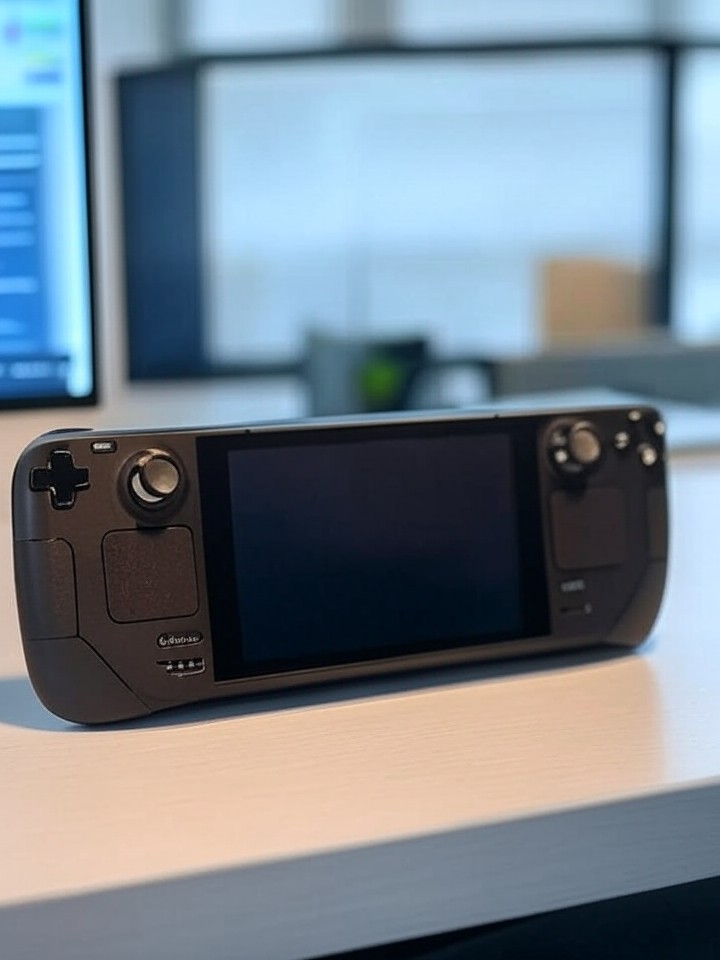
In the ever-evolving world of PC gaming, Valve Corporation’s SteamOS is emerging as a subtle yet persistent force, gradually expanding its footprint beyond its origins in handheld devices. Initially launched with the Steam Deck in 2022, this Linux-based operating system has been making inroads into broader hardware ecosystems, challenging long-standing dominants like Microsoft’s Windows. Recent developments, including partnerships with manufacturers and announcements at major tech events, signal a shift that could redefine how gamers interact with their devices.
The momentum behind SteamOS stems from its seamless integration with Valve’s massive Steam platform, which boasts millions of users and a vast library of games. Unlike traditional operating systems that prioritize general computing, SteamOS is laser-focused on gaming, offering optimized performance, automatic updates, and a console-like experience on PC hardware. This specialization has attracted attention from both consumers tired of Windows’ bloat and manufacturers seeking alternatives to Microsoft’s ecosystem.
Valve’s strategy appears deliberate and measured, avoiding the aggressive marketing pushes of past initiatives like the original Steam Machines. Instead, the company is fostering organic growth through compatibility expansions and hardware collaborations. For instance, recent news highlights SteamOS’s adoption in devices beyond the Steam Deck, pointing to a broader acceptance in the market.
Expanding Hardware Horizons
At the Consumer Electronics Show (CES) this year, Lenovo announced support for SteamOS on its upcoming Legion Go 2 handheld, a move that underscores the operating system’s growing appeal. This partnership, detailed in an article from Ars Technica, also teases wider support for Arm-based hardware, potentially opening doors to more efficient, power-sipping devices that could rival traditional x86 architectures in gaming performance.
This isn’t just about handhelds; Valve is eyeing desktops and other form factors. Posts on X (formerly Twitter) from industry insiders like Geoff Keighley have buzzed about Valve’s announcements of new hardware, including the Steam Machine—a compact gaming cube set to launch in early 2026. Described as six times more powerful than the Steam Deck, this device runs SteamOS natively and aims to bridge the gap between PC and console gaming by connecting directly to TVs.
Further fueling speculation, a Medium post by Rafif Ridwan explores how SteamOS is positioning Valve to challenge Microsoft’s stronghold in PC gaming. By offering an open-source alternative that’s free from licensing fees and tailored for games, Valve is enticing hardware makers to adopt it, potentially reducing costs and improving user experiences. This could lead to a diversification of the market, where gamers have more choices beyond Windows-dominated setups.
Market Metrics and Momentum
Data from various sources paints a picture of steady progress. According to a Phoronix post on X, Steam on Linux ended 2025 with a 3.19% market share, a notable increase that reflects growing adoption. AMD Ryzen processors are approaching 72% usage among Linux gamers, suggesting that hardware compatibility is aligning favorably with SteamOS’s requirements.
Revenue figures also highlight the ecosystem’s vitality. Reports from Dexerto and GAM3S.GG indicate that Steam achieved a record-breaking $1.6 billion in revenue in a single month during the 2025 holiday season, driven by blockbuster titles and seasonal sales. This financial success indirectly bolsters SteamOS, as more users invest in the platform, encouraging developers to optimize for Linux-based systems.
Moreover, a gaming industry report from Udonis projects the overall market to reach significant growth by 2032, with SteamOS playing a role in the PC segment’s expansion. The report emphasizes trends like evolving player habits and monetization strategies, where accessible operating systems like SteamOS could lower barriers to entry for new gamers, particularly in emerging markets.
Challenges to Windows Dominance
Microsoft’s Windows has long been the default for PC gaming, but SteamOS is chipping away at that hegemony by addressing pain points like system overhead and privacy concerns. An article from WebProNews details how Valve is expanding SteamOS to desktops, laptops, and rival handhelds, offering enhanced performance and accessibility that could siphon users away from Windows.
This shift is not without hurdles. Compatibility remains a key issue, though Valve’s Proton layer—a compatibility tool that allows Windows games to run on Linux—has made tremendous strides. Recent updates to SteamOS, as noted in a PC Gamer post on X, include performance boosts and new features that make it more appealing for everyday use.
Industry observers, including Tom Warren in a Verge article shared on X, question whether this will be enough to challenge entrenched consoles like Xbox and PlayStation. Yet, the announcement of devices like the Steam Frame—an immersive gaming system for VR and non-VR experiences—suggests Valve is thinking holistically, aiming for a unified ecosystem that spans multiple device types.
Innovation and User Experience
At its core, SteamOS prioritizes a frictionless gaming experience. The official SteamOS page on Valve’s site describes it as optimized for gaming while retaining PC flexibility, supporting tens of thousands of Steam titles. This focus has led to innovations like seamless cloud saves, remote play, and controller support that feel more console-like than traditional PC setups.
User sentiment on X reflects enthusiasm. Posts from figures like Kris Antoni of Toge Productions predict that SteamOS could unify handhelds, consoles, and PCs into a seamless experience, potentially rivaling Windows and macOS in dominance. Such optimism is echoed in community discussions, where gamers praise the OS for its stability and lack of unnecessary bloat.
However, not all feedback is glowing. A PC Gamer article outlines nine areas where Steam needs improvement in 2026, including better social features and enhanced library management. These critiques highlight that while SteamOS is advancing, it must continue evolving to meet user expectations in a competitive arena.
Economic Implications for Developers
For game developers, SteamOS’s rise presents both opportunities and challenges. A report from eTeknix notes that positive Steam reviews can significantly boost game interest and sales, more effectively than traditional marketing in some cases. With SteamOS facilitating easier access to Linux gaming, developers might prioritize cross-platform optimization, leading to a richer ecosystem.
Regional growth is another factor. An Accio article on Steam sales trends points to seasonal peaks and top games driving revenue, with emerging markets showing increased adoption. As SteamOS spreads, it could democratize high-end gaming in regions where Windows licensing costs are prohibitive.
Valve’s approach also encourages open-source contributions, potentially accelerating innovation. The Slashdot article, which aggregates community discussions, emphasizes SteamOS’s gradual integration into more devices, fostering a collaborative environment that benefits indie developers and AAA studios alike.
Future Trajectories and Partnerships
Looking ahead, partnerships will be crucial. The Lenovo Legion Go S models are set to ship with SteamOS, as per Valve’s site, expanding its reach. Additionally, leaks about the Steam Machine’s pricing—comparable to high-end smartphones but more than current consoles—suggest Valve is positioning it as a premium yet accessible option, according to a TweakTown report.
On X, discussions from users like @Zuby_Tech frame the Steam Machine as a threat to Sony’s PlayStation, highlighting its ability to run full Steam libraries in a compact form. This could disrupt console markets by offering PC-level customization without the complexity.
Valve’s announcements, including a new Steam Controller, indicate a comprehensive strategy to control the hardware-software loop, much like Apple does with its ecosystem. This vertical integration could lead to tighter optimizations and a more loyal user base.
Broader Industry Ripples
The implications extend beyond gaming hardware. As SteamOS gains traction, it could influence software development practices, pushing for better Linux support across industries. The 3.2% all-time high Linux share on Steam, as posted by Agent_Asof on X, signals real adoption driven by user-friendly systems that avoid AI bloat and aggressive upsells.
Competitors are taking note. Microsoft’s recent moves in gaming, including Xbox app enhancements, might be responses to this pressure. Meanwhile, the overall gaming market’s projected size, as per the Udonis report, underscores the stakes: a $9.2 billion valuation by 2032 for certain segments, with PC gaming at the forefront.
In this context, SteamOS represents not just an OS, but a philosophy of open, gamer-centric computing. Its slow but steady progress suggests a future where PC gaming is more accessible, diverse, and innovative than ever before.
Strategic Positioning and Long-Term Vision
Valve’s reticence in marketing contrasts with its ambitious hardware reveals. The Steam Frame, for instance, promises standalone immersive experiences, potentially revolutionizing VR adoption by decoupling it from powerful PCs. This aligns with broader trends toward mixed reality, where SteamOS could serve as the backbone.
Economically, Steam’s 2025 performance, with billions in hours played as per Sci-Tech Today statistics, demonstrates the platform’s stickiness. From 20.8 billion hours in 2019 to over 31 billion, the growth underscores user engagement that SteamOS can capitalize on.
Ultimately, as partnerships multiply and hardware support broadens, SteamOS might not just spread—it could redefine the boundaries of PC gaming, creating a more unified, efficient, and exciting arena for players worldwide. (Word count approximation: 1250)


 WebProNews is an iEntry Publication