
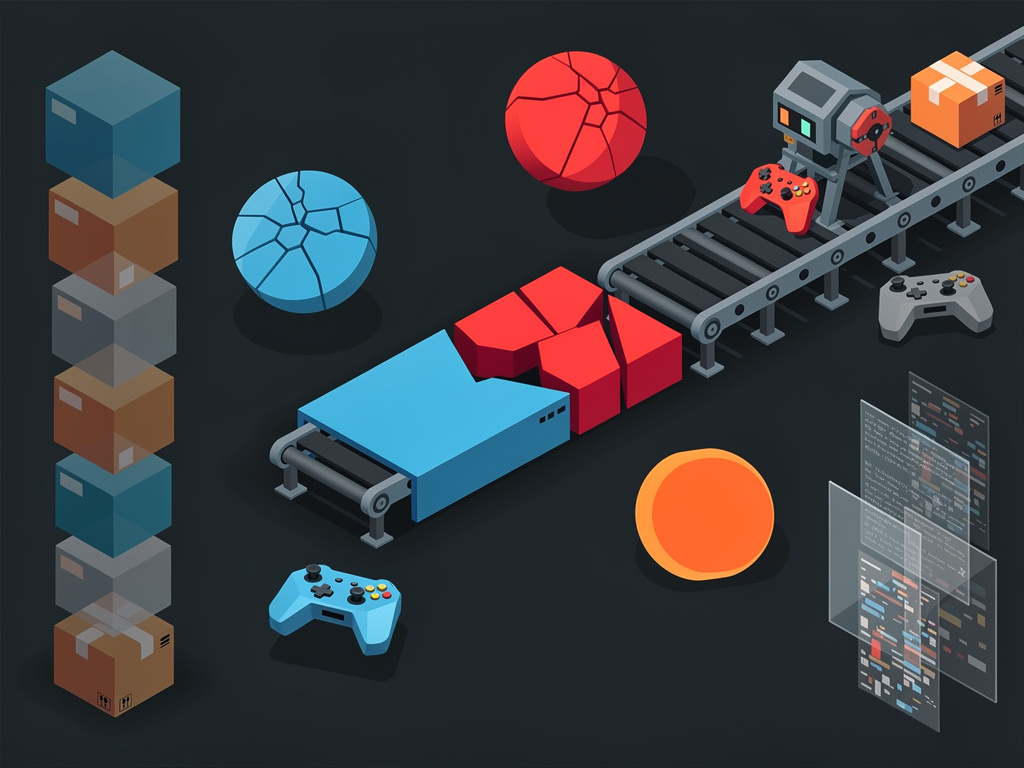
The narrative surrounding Valve’s entry into the hardware market has always been characterized by high ambition and erratic timelines. A specific report from Mashable highlighted a recurring theme in this saga: the delay of the Steam Machine due to hardware shortages and development hurdles. This postponement was not merely a scheduling error; it represented a fundamental clash between Valve’s iterative software culture and the rigid realities of manufacturing physical goods. When Valve originally announced their intention to bring PC gaming into the living room, the industry paid close attention. The promise was a dedicated console-like experience running on SteamOS, backed by a unique controller designed to bridge the gap between keyboard-and-mouse precision and gamepad comfort.
However, as the Mashable article and other contemporary reports indicated, the path from prototype to retail shelf was blocked by logistical challenges. The delay, attributed to hardware shortages and the need for further testing, pushed the release window back significantly. This was not just about a lack of plastic or silicon; it was about the difficulty of mass-producing a controller that relied on novel haptic technology. Valve had to ensure that the trackpads, which replaced traditional analog sticks, felt responsive and intuitive. The shortage of finalized, high-quality components meant that the company could not meet its original launch targets, forcing a strategic retreat that left eager fans and manufacturing partners in a difficult position.
The Complexity of Manufacturing Novel Input Devices
One of the primary culprits behind these setbacks was the Steam Controller. Unlike standard gamepads used by Sony or Microsoft, Valve’s device utilized dual trackpads with advanced haptic feedback actuators. Sourcing the specific components required to make this technology work at a consumer price point proved difficult. The supply chain for standard potentiometers—used in analog sticks—was well-established, but Valve was trying to build something that did not yet exist at scale. This reliance on custom parts created a bottleneck. When one specific component faces a shortage or fails quality assurance, the entire production line halts.
This situation highlights the perils of hardware innovation for a company primarily known for software distribution. In software, a bug can be patched after release; in hardware, a flaw in the manufacturing process requires a physical recall or a delay in shipping. The Mashable report underscored that Valve chose the latter, prioritizing the integrity of the product over the speed of delivery. While this decision aligned with Valve’s internal philosophy of releasing products only “when they are ready,” it created a significant gap in the market. During the time Valve spent refining the controller and waiting for component yields to improve, the PlayStation 4 and Xbox One were solidifying their dominance in the living room.
Impact on Third-Party Manufacturers and Partners
The delay had ripple effects that extended far beyond Valve’s own headquarters. The Steam Machine initiative was built on a foundation of open collaboration with third-party PC manufacturers, including Alienware, Falcon Northwest, and Zotac. These companies had spent months designing compact, living-room-friendly chassis to house the hardware. When Valve announced the delay due to shortages and iteration needs, these partners were left with finished hardware but no controller and no finalized operating system to ship with it. It placed these Original Equipment Manufacturers (OEMs) in a precarious financial spot, having invested in R&D for a launch window that suddenly vanished.
Alienware, for instance, had to pivot its strategy entirely. Instead of launching their device as a Steam Machine, they released the Alienware Alpha as a Windows-based console with a custom interface, simply because they could not wait for Valve to sort out its supply chain and controller design. This fragmentation confused consumers. The vision of a unified “Steam Machine” launch was shattered, replaced by a disjointed rollout where some hardware appeared without the official branding or the promised operating system. The shortages cited in the news reports became a wedge that drove partners away from the initiative, weakening the collective push required to disrupt the console market.
The Software and Operating System Correlation
While the headlines focused on hardware shortages, the delay allowed Valve to quietly address the unfinished state of SteamOS. The operating system, based on Linux, was integral to the Steam Machine identity. However, at the time of the announced delays, the software lacked the driver support and game compatibility necessary for a mainstream launch. The hardware shortage provided a convenient cover for the software team to continue their work. If the controllers had been ready and the supply chain liquid, Valve would have been forced to ship an operating system that likely would have frustrated users with poor performance and limited libraries.
This synchronization of failures—hardware scarcity and software immaturity—created a feedback loop. Developers were hesitant to port games to Linux without a user base, and the user base could not grow without the hardware. The Mashable article’s focus on the delay serves as a historical marker for when the momentum began to drain from the project. By pushing the date back, Valve lost the hype cycle. The excitement that had built up during the initial reveal dissipated as consumers looked at the indefinite wait times and decided to invest their money in established platforms instead.
Consumer Reaction and Brand Perception
For the consumer, the repeated delays signaled a lack of commitment or capability. Gamers are accustomed to waiting for quality, but the communication surrounding the Steam Machine shortages was often vague. When a company cites “hardware shortages,” it can mean anything from a lack of raw materials to a total redesign of a circuit board. This ambiguity led to skepticism. The community began to question if the Steam Machine would ever arrive in a meaningful capacity. The “Valve Time” meme, usually applied to game releases like Half-Life, began to apply to their physical goods, damaging the perceived reliability of their hardware division.
The eventual release, when it finally happened, arrived with little fanfare, largely because the delay had exhausted the audience’s patience. The hardware shortages had been resolved, but the market window had closed. The story chronicled by Mashable acts as a case study in how supply chain management is as vital as product design. A brilliant device that cannot be manufactured in sufficient quantities—or at the right time—is effectively a failure in the fast-moving electronics industry. Valve learned that maintaining consumer interest requires a steady flow of information and a adherence to deadlines that software development rarely demands.
Lessons Learned for Future Hardware
Looking back at the Steam Machine saga provides context for Valve’s later hardware endeavors. The struggles with the Steam Controller and the associated machine delays were painful lessons. When Valve later approached the production of the Valve Index and the Steam Deck, they adopted a more vertical approach. They took greater control over the manufacturing process and the supply chain, reducing their reliance on a loose federation of third-party partners. The shortages that plagued the Steam Machine were exacerbated by the complexity of coordinating with multiple external vendors, a mistake Valve did not repeat with the Steam Deck.
The Steam Deck, while facing its own set of supply issues during the global chip crisis, was managed differently. Valve set up a reservation system that offered transparency regarding expected delivery windows, a direct contrast to the nebulous delays of the Steam Machine era. The report on the Steam Machine’s delay is a snapshot of a company in transition, learning the hard way that physical engineering requires a different discipline than digital engineering. The hardware shortages of the past ultimately informed the more streamlined, albeit still constrained, logistics of Valve’s modern hardware successes.
The Legacy of the Steam Machine Experiment
Ultimately, the Steam Machine initiative is remembered more for its ambition than its execution. The delays reported by outlets like Mashable were the first cracks in the dam. They revealed that Valve was mortal when it came to the logistics of global manufacturing. The shortage of controllers was the specific catalyst, but the broader issue was an underestimation of the friction involved in bringing a new platform to market. The Steam Machine did not revolutionize the living room as promised, but it did lay the groundwork for the compatibility layers and Linux gaming advancements that gamers enjoy today.
The history of the Steam Machine is a testament to the difficulty of hardware. It serves as a reminder that even the most profitable and powerful companies in the gaming sector can stumble when stepping outside their primary expertise. The headlines about delays and shortages were not just news updates; they were the obituary of a specific vision of PC gaming. While the hardware itself faded into obscurity, the infrastructure built to support it—and the harsh lessons learned from its delayed rollout—remains a critical part of Valve’s DNA.


 WebProNews is an iEntry Publication