
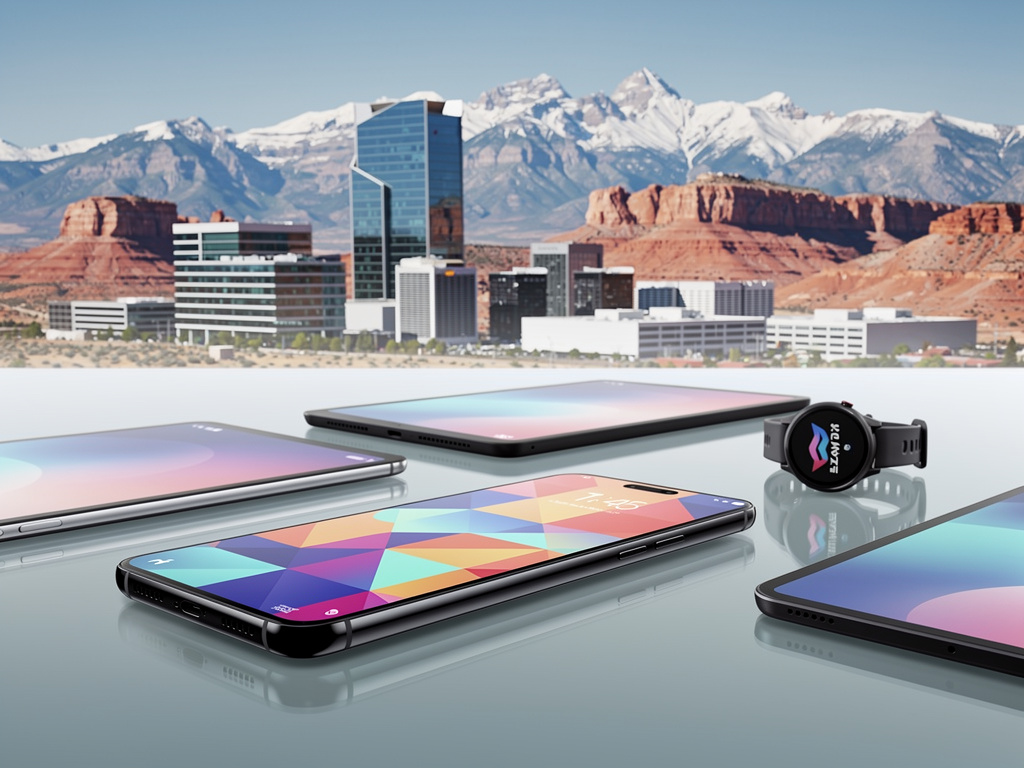
Utah’s Quirky Quest: Elevating Android to State Symbol Status
In a move that blends tech enthusiasm with legislative whimsy, a Utah lawmaker has introduced a bill aiming to designate Android as the official state mobile operating system. This proposal, spearheaded by Rep. Jordan Teuscher, a Republican from South Jordan, seeks to add a dash of Silicon Valley flair to Utah’s roster of state symbols, which already includes the honeybee as the state insect and the sego lily as the state flower. The bill, if passed, would mark a novel intersection of technology and state pride, potentially setting a precedent for how governments recognize digital innovations in an era dominated by smartphones.
Teuscher’s initiative isn’t born out of thin air. As reported by KSL.com, the lawmaker humorously notes that he’s the lone iPhone user in a family full of Android devotees, turning a personal tech divide into public policy. The proposal comes amid broader discussions about technology’s role in daily life, especially in a state like Utah, known for its burgeoning tech sector often dubbed the “Silicon Slopes.” This area has attracted companies like Adobe and Qualtrics, fostering an environment where software and hardware innovations thrive.
Beyond the lighthearted family anecdote, the bill taps into deeper themes of accessibility and openness. Android, developed by Google, is an open-source platform that powers billions of devices worldwide, contrasting with Apple’s more closed iOS ecosystem. Supporters argue that recognizing Android aligns with Utah’s values of innovation and inclusivity, given the OS’s widespread adoption and customization options.
The Legislative Path and Political Context
Filing the bill in early 2026, Teuscher positions it as a fun way to highlight Utah’s tech-savvy identity without imposing mandates on citizens or businesses. It wouldn’t require anyone to switch devices or influence purchasing decisions; instead, it’s symbolic, much like designating a state bird or fossil. According to details from Android Authority, the proposal has sparked conversations about whether states should wade into the iPhone versus Android debate, a rivalry that has long divided tech enthusiasts.
Utah’s legislature, controlled by Republicans, often embraces quirky bills alongside serious policy matters. This one arrives during a session tackling weightier issues like water conservation and education funding, providing a palate cleanser amid dense debates. Teuscher, who serves on the House Business and Labor Committee, sees the bill as a nod to the state’s economic drivers, where tech jobs contribute significantly to employment and growth.
Critics, however, question the necessity of such a designation. Some view it as frivolous, diverting attention from pressing concerns. Yet, proponents counter that state symbols serve educational purposes, sparking interest in history, science, and now, technology. If enacted, Android would join an eclectic list of state emblems, potentially inspiring other states to honor modern inventions.
Tech Industry Reactions and Broader Implications
The tech community has responded with a mix of amusement and intrigue. Posts on X, formerly Twitter, reflect a spectrum of sentiments, with users joking about potential “state OS wars” or praising Utah for embracing open-source ethos. One post from a prominent tech account highlighted how this could boost Android’s visibility, drawing parallels to how brands like Google have integrated into cultural narratives.
Industry analysts suggest this move could subtly influence perceptions of technology policy. In a report by 9to5Google, recent Android updates emphasize security and user privacy, themes that resonate with governmental endorsements. By naming Android the official OS, Utah might encourage discussions on digital literacy and cybersecurity in schools, aligning with national pushes for tech education.
Moreover, this bill underscores Android’s evolution from a nascent project in 2007 to a global powerhouse. As detailed in Wikipedia entries on Android’s history, the OS has undergone transformations, dropping dessert-themed names in 2019 for broader appeal and introducing features like Android XR in 2024. Such milestones highlight why a state might choose to celebrate it.
Historical Parallels and State Symbol Traditions
Looking back, states have long adopted symbols that reflect their heritage and economy. California, for instance, has the grizzly bear as its state animal, symbolizing rugged wilderness, while Texas boasts the bluebonnet flower. Utah’s proposal fits this tradition but updates it for the digital age, recognizing how operating systems shape modern existence.
Comparisons to other tech-related recognitions are apt. Some municipalities have declared official apps or platforms, but a statewide OS designation is unprecedented. Insights from Lifewire on Android 16’s features, including smarter notifications and enhanced security, illustrate the platform’s ongoing relevance, making it a fitting choice for symbolic honor.
The open-source nature of Android, as promoted by communities like LineageOS, adds another layer. The LineageOS website emphasizes extending device lifespans and user control, values that could appeal to Utah’s independent-minded populace. This contrasts with more proprietary systems, potentially positioning the state as a champion of tech freedom.
Potential Challenges and Future Prospects
Not everyone is on board. Apple enthusiasts and privacy advocates might argue that endorsing one OS over another could alienate users or imply favoritism. Teuscher addresses this by framing the bill as non-binding and fun, but debates in committee could reveal divisions. If the bill advances, it would need approval from both the House and Senate before reaching Gov. Spencer Cox’s desk.
From a business perspective, this could benefit local tech firms. Utah’s Silicon Slopes hosts events and incubators that might leverage the designation for marketing, attracting talent and investment. A piece in WebProNews discusses Android’s 2026 trajectory, including AI integrations and faster updates, suggesting that state recognition could amplify these advancements.
Furthermore, the proposal invites reflection on technology’s societal role. As Android integrates more deeply into vehicles, wearables, and smart homes—evidenced by Google’s announcements of Android XR and unified systems—the line between software and daily infrastructure blurs. Utah’s move could spark similar initiatives elsewhere, normalizing tech symbols in governance.
Economic and Cultural Ramifications
Economically, Utah stands to gain. The state’s tech sector employs tens of thousands, contributing billions to the GDP. By aligning with Android, a Google product, Utah might strengthen ties with the company, which has data centers in the state. This symbiotic relationship could lead to more collaborations, as seen in Google’s investments in renewable energy and infrastructure.
Culturally, the bill resonates with younger demographics. Millennials and Gen Z, heavy Android users, might see it as validation of their tech choices. Social media buzz, including X posts about multi-OS devices running Android alongside Windows and Linux, indicates growing interest in versatile computing, which this designation could amplify.
Experts weigh in on the symbolism. A developer community post on DEV Community explores Android’s power management evolution, from early inefficiencies to robust systems, underscoring the OS’s maturity. Such technical depth appeals to insiders, who recognize Android’s contributions to mobile innovation.
Voices from the Ground and Expert Insights
Local residents have mixed reactions. Some, like Teuscher’s Android-loving family, embrace the idea, while others dismiss it as trivial. Interviews cited in media suggest it’s a conversation starter, prompting discussions on tech equity and access in rural areas.
Industry experts provide deeper analysis. In a Medium article by Richard Ebo, the Android architecture is dissected, revealing layers from kernel to applications that enable its flexibility. This technical foundation supports why Android might deserve official status, highlighting its adaptability.
Looking ahead, if passed, the bill could inspire educational programs. Schools might incorporate Android development into curricula, fostering the next generation of coders. With Android’s end-of-life schedules detailed on sites like endoflife.date, understanding software longevity becomes crucial.
Global Perspectives and Long-Term Effects
Internationally, this move is watched with curiosity. Android’s global dominance, as per Fandom wikis, makes Utah’s endorsement a nod to its universal appeal. In regions where Android holds over 70% market share, such a designation might encourage similar recognitions.
Long-term, this could influence policy on digital rights. As AI and security features advance, per Gadget Hacks coverage of Google’s Aluminium OS merge, states might increasingly engage with tech standards.
Ultimately, Utah’s proposal encapsulates a moment where technology meets tradition, potentially reshaping how we view state identities in a connected world. Whether it passes or not, it has already ignited debates on innovation’s place in public life.


 WebProNews is an iEntry Publication