
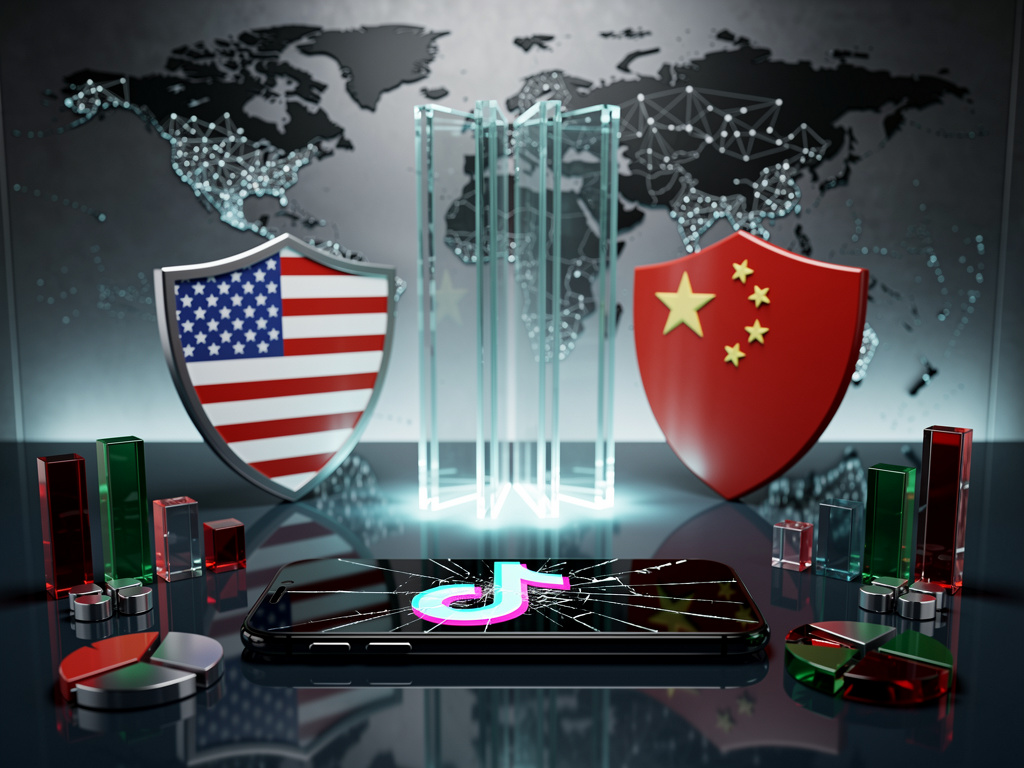
The Shadow Over Short-Form Video: Unpacking the TikTok Ban Saga
As the clock ticks toward what could be the end of an era for one of the world’s most popular apps, TikTok finds itself at the center of a geopolitical storm. The U.S. government has long viewed the platform, owned by Chinese company ByteDance, as a potential national security risk due to concerns over data privacy and foreign influence. Recent developments suggest that a nationwide ban, initially slated for January 19, 2025, has been pushed back yet again, this time to January 23, 2026, according to reports from USA Today. This extension, signed by President Donald Trump in September, marks the latest chapter in a protracted battle that began in 2020.
The roots of this conflict trace back to executive orders under the first Trump administration, which cited fears that TikTok could be used by the Chinese government to collect user data or spread propaganda. Despite court challenges and temporary blocks, the Protecting Americans from Foreign Adversary Controlled Applications Act (PAFACA) solidified the legal framework for a ban unless ByteDance divests its U.S. operations. Wikipedia’s entry on Restrictions on TikTok in the United States details how the ban became de jure on January 19, 2025, after ByteDance missed the divestiture deadline, though enforcement has lagged.
For industry insiders, this isn’t just about one app—it’s a test case for how governments regulate foreign-owned tech platforms. Brands and creators who built empires on TikTok’s algorithm-driven virality now face uncertainty. A blog post from Statusphere explores what this means for marketers, noting that over 170 million Americans use the app, driving billions in ad revenue.
Navigating Geopolitical Tensions and Legal Hurdles
The Supreme Court’s recent ruling has added fuel to the fire, upholding the ban’s constitutionality despite free speech concerns. In a commentary published by The Guardian, authors Evelyn Douek and Jameel Jaffer argue that the decision places TikTok under constant threat, potentially allowing the executive branch to shut it down abruptly. This comes amid stalled negotiations for a sale, with the BBC reporting in What’s next for TikTok in the US that deal prospects remain elusive despite earlier optimism.
Crawling deeper into the provided link from Mashable, the article highlights how the ban’s January 2025 deadline loomed large, with TikTok no longer available on U.S. app stores following a Supreme Court affirmation. Yet, real-time updates from web searches reveal extensions have become a pattern, as noted in a CBS8 piece on the approaching deadline. President Trump’s repeated delays—now the fifth—stem from ongoing talks with ByteDance, potentially involving U.S. investors like Oracle as a security partner.
Posts on X (formerly Twitter) reflect public sentiment, with users expressing frustration over the uncertainty. One viral post lamented the ban’s impact on content creators, while others speculated on extensions, aligning with news that the deadline shifted to 2026. This social media buzz underscores the app’s cultural grip, even as critics like Michael Tracey on X warn that staunch ban supporters in the incoming administration, including figures like Marco Rubio and Mike Waltz, could push for stricter enforcement.
Economic Ripples for Creators and Advertisers
The potential disappearance of TikTok would reshape the digital economy, particularly for the creator economy valued at over $100 billion globally. Influencers who rely on the platform for income—through sponsorships, live gifts, and e-commerce integrations—face a mass exodus to alternatives like Instagram Reels or YouTube Shorts. A WebProNews report on TikTok’s U.S. operations in limbo details how investors such as Frank McCourt are caught in geopolitical crossfire, with divestiture talks stalled amid U.S.-China tensions.
Brands, too, must pivot. TikTok’s unique algorithm has fueled viral marketing campaigns, from dance challenges to product hauls, generating unprecedented engagement. Statusphere’s analysis, referenced earlier, advises brands to diversify platforms, but the loss of TikTok’s young, diverse audience could dent sales in sectors like fashion and beauty. According to industry estimates, TikTok drove $14.3 billion in U.S. small business revenue in 2023 alone, a figure that could evaporate without a resolution.
Legal experts point to broader implications for tech ownership. A piece from TechPolicy.Press draws on academic insights to argue that platform ownership influences content governance, potentially shifting power dynamics if TikTok falls under American control. The Law Society Journal’s overview of the anticipated deal suggests a sale is nearing, but details remain murky, complicated by Chinese regulations requiring approval for tech exports.
Global Precedents and Domestic Parallels
Looking beyond the U.S., other nations have taken decisive action against TikTok. India banned the app in 2020 amid border tensions with China, leading to a surge in homegrown alternatives. Australia recently implemented age restrictions on social media, including TikTok, barring users under 16 as of December 10, 2025, per X posts citing the policy’s rollout. This global trend highlights growing scrutiny of social platforms’ impact on youth mental health and data security.
In the U.S., state-level bans preceded the national push. Over 30 states restricted TikTok on government devices by 2023, as chronicled in Wikipedia’s comprehensive timeline. Universities and cities followed suit, citing similar risks. The Guardian’s report on TikTok going dark in January 2025 describes the app’s removal from app stores, though VPN workarounds have allowed some users to persist, raising questions about enforcement feasibility.
X users have been vocal about these developments, with posts decrying the ban’s extension as a lack of accountability, one even tagging lawmakers to clarify the law. Sentiment ranges from despair over losing a creative outlet to criticism of platforms like Instagram and X for their own issues, painting a picture of widespread dissatisfaction with the evolving social media environment.
Strategic Maneuvers in Tech and Policy
Behind the scenes, ByteDance has invested heavily in Project Texas, a plan to store U.S. user data on Oracle servers and undergo third-party audits to assuage security fears. Yet, skeptics in Washington argue this isn’t enough, fearing backdoors for Chinese access. The BBC’s earlier article on Trump’s TikTok deal outlines potential ownership structures, including partnerships with American firms, but Beijing’s reluctance has prolonged the stalemate.
For tech executives, this saga underscores the vulnerabilities of operating in politically charged markets. Competitors like Meta and Google stand to gain, with Reels and Shorts already mimicking TikTok’s features. Industry analysts predict a user migration that could boost their ad revenues by 20-30%, based on patterns seen in India post-ban.
Moreover, the case sets precedents for other Chinese apps like WeChat, which faced similar threats. Policy insiders debate whether this protectionism strengthens national security or stifles innovation, with The Guardian’s commentary emphasizing free speech risks in a polarized digital world.
User Impacts and Future Uncertainties
Everyday users, especially Gen Z and millennials, feel the ban’s weight most acutely. TikTok has been a hub for education, activism, and entertainment, from viral protests to mental health awareness. X posts from creators in niches like anime and music highlight job losses, with one estimating millions in revenue at stake come the ban’s enforcement.
Parents and educators have mixed views. While some welcome curbs on addictive scrolling, others argue it limits positive expression. Australia’s model, as discussed on X, bans multiple platforms for minors, sparking debates on whether the U.S. should adopt similar measures.
As negotiations drag on, the January 2026 deadline looms larger. Web searches confirm no formal deal announcement, leaving ByteDance in limbo. If a sale materializes, it could preserve TikTok’s essence under new ownership, but failure might lead to a full shutdown, reshaping social media habits overnight.
Innovation Amid Adversity
In response, developers are racing to fill the void. New apps promise TikTok-like experiences with enhanced privacy, though none have matched its scale. Brands are experimenting with cross-platform strategies, leveraging AI for content adaptation.
Politically, the ban aligns with broader U.S. efforts to decouple from Chinese tech, influencing trade policies. Insiders speculate Trump’s administration may use it as leverage in wider negotiations.
Ultimately, this ordeal reflects the intricate balance between security, commerce, and expression in the digital age, with TikTok’s fate hanging in the balance as stakeholders watch closely.


 WebProNews is an iEntry Publication