
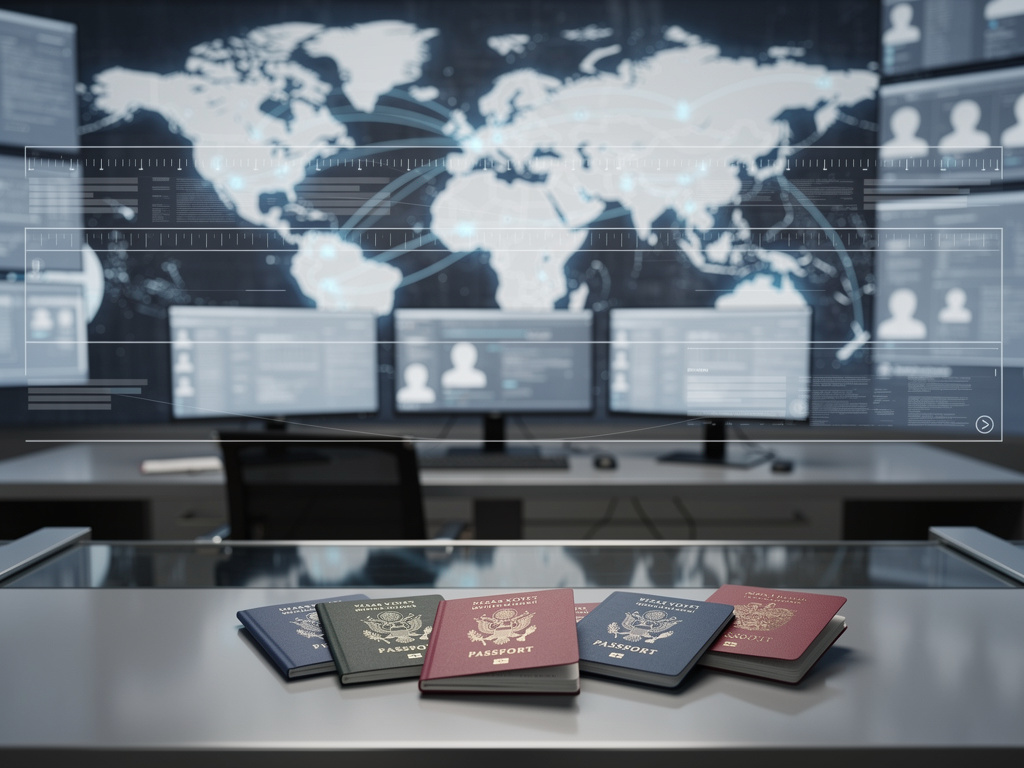
Digital Borders: How Five Years of Social Media Could Lock You Out of America
The United States is on the cusp of implementing one of the most intrusive border screening measures in modern history, requiring certain international travelers to disclose five years of their social media history as part of entry protocols. This proposal, emerging from the Department of Homeland Security under the Trump administration, targets visitors from visa-waiver countries, potentially affecting millions of tourists, business travelers, and family visitors each year. What began as optional disclosures could soon become mandatory, raising profound questions about privacy, free speech, and the intersection of technology with immigration enforcement.
At its core, the policy would mandate that applicants under the Electronic System for Travel Authorization (ESTA) provide handles, usernames, and associated data from major social platforms spanning the previous five years. This isn’t just about listing accounts; it could involve granting access for automated scanning or manual reviews by border agents. According to a recent report from TechRadar, the move aims to enhance security by identifying potential threats through online activity, but critics argue it overreaches into personal digital lives without clear guidelines on what constitutes problematic content.
The implications extend beyond mere data collection. Travelers from nations like the United Kingdom, France, Japan, and Australia—part of the 42-country Visa Waiver Program—might find their vacation plans derailed by a forgotten tweet or a controversial post from years ago. This system builds on existing practices where U.S. Customs and Border Protection (CBP) already requests social media information voluntarily, but the shift to mandatory submission marks a significant escalation.
Expanding the Scope of Vetting
Proponents within the administration frame this as a necessary evolution in border security, especially in an era where online radicalization and misinformation can pose real-world risks. Recent announcements indicate that alongside social media, travelers may need to submit biometrics like selfies, extensive family histories, and even email accounts for scrutiny. A notice from the Department of Homeland Security, as detailed in a Yahoo Finance article, emphasizes that this is part of broader efforts to vet entrants more thoroughly, reversing what officials describe as lax policies from previous administrations.
However, the practicalities of implementation remain murky. How will agents sift through vast amounts of data? Will artificial intelligence play a role in flagging suspicious activity, or will human reviewers pore over posts? Industry experts worry about false positives—innocent jokes or political opinions misinterpreted as threats—leading to unwarranted denials. Moreover, the policy doesn’t specify protections against data misuse, such as how long information will be stored or who can access it.
For tech companies, this could mean increased cooperation with government requests. Platforms like Facebook, X (formerly Twitter), and Instagram might face pressure to provide backdoor access or streamlined data sharing, potentially altering user agreements and privacy settings globally. This isn’t unprecedented; border agents have long had the authority to search devices, but extending that to historical online footprints represents a new frontier.
Privacy Advocates Sound the Alarm
Privacy groups are mobilizing against the proposal, highlighting risks to free expression. The Electronic Frontier Foundation and similar organizations argue that requiring social media histories chills speech, as individuals might self-censor knowing their words could bar them from travel. Posts on X reflect widespread concern, with users expressing fears that this policy turns borders into digital checkpoints, where one’s online persona becomes a passport liability.
From a legal standpoint, the measure could face challenges under international human rights standards, particularly regarding data protection laws like Europe’s GDPR. Travelers from the EU might find their rights clashing with U.S. demands, potentially straining diplomatic relations. A BBC News piece notes that the UK government is monitoring the development closely, advising citizens to prepare for enhanced scrutiny when planning trips stateside.
Technologically, the challenges are daunting. Scanning five years of activity requires sophisticated tools to handle diverse platforms and languages. What happens if a user has deleted accounts or posts? Will incomplete submissions be grounds for rejection? These questions underscore the policy’s potential for uneven application, disproportionately affecting those less tech-savvy or from regions with limited internet access.
Historical Context and Precedents
This isn’t the first time social media has entered the immigration arena. Back in 2016, the Obama administration introduced optional social media questions on visa forms, which the Trump team expanded in 2017 to include more applicants. The current proposal amplifies that, making it compulsory for visa-waiver entrants. As reported by CNN, this fits into a pattern of tightening controls, including past efforts to monitor immigrants’ online activities post-entry.
Comparisons to other nations reveal the U.S. as an outlier. While countries like China and Russia employ extensive digital surveillance, Western democracies have generally shied away from such invasive pre-entry checks. Australia’s border force, for instance, reviews social media in specific cases but doesn’t mandate blanket disclosures. This American approach could set a precedent, encouraging other nations to follow suit and normalizing global digital vetting.
On the enforcement side, CBP’s capabilities have grown with technology. AI-driven analytics, already used in facial recognition at airports, could be adapted for social media scans. Yet, accuracy remains a concern; algorithms have biases that might unfairly target certain demographics, such as minorities or activists, based on keyword triggers or network associations.
Impact on Global Travel and Business
The business world is watching warily. Multinational corporations with employees traveling frequently could see disruptions if executives’ past posts lead to entry denials. Tourism, a key economic driver, might suffer as potential visitors opt for destinations with less stringent requirements. A USA Today analysis suggests that travel from affected countries has already dipped in anticipation, with industry groups lobbying for carve-outs or clearer criteria.
For individuals, preparation is key. Experts recommend auditing social media profiles, privatizing accounts, or even creating travel-specific personas. However, such advice raises ethical dilemmas: should one alter their digital self to appease border guards? Posts on X highlight user strategies, from deleting old content to using VPNs for anonymity, though these aren’t foolproof against determined scrutiny.
Furthermore, the policy intersects with broader debates on data sovereignty. In an interconnected world, where does personal information end and national security begin? This measure blurs those lines, potentially eroding trust in digital platforms and prompting users worldwide to rethink their online behaviors.
Technological and Ethical Frontiers
Delving deeper into the tech angle, the integration of biometrics with social data creates a comprehensive profile that’s unprecedented in scope. Imagine facial recognition linking to your Instagram photos, cross-referenced with tweet histories. A The Guardian report warns that this could evolve into real-time monitoring, where apps track location and activity during stays.
Ethically, the policy challenges notions of forgiveness in the digital age. Posts from one’s youth or moments of indiscretion could haunt indefinitely, ignoring personal growth. Mental health advocates point out the stress this induces, particularly for those with histories of activism or public expression that might be deemed controversial.
Looking ahead, resistance is building. Lawsuits from civil liberties groups are likely, arguing Fourth Amendment violations for U.S. persons and due process issues for foreigners. International backlash could pressure revisions, but with the administration’s focus on security, changes might be minimal.
Navigating the New Normal
As this policy inches toward reality, travelers must adapt. Resources like government advisories and privacy tools are emerging to help navigate requirements. For instance, apps that archive and scrub social media are gaining popularity, though their efficacy against official scans is untested.
The broader ecosystem of border tech is also evolving. From automated kiosks to predictive analytics, the U.S. is investing heavily in smart borders. This social media mandate fits into that vision, but at what cost to individual freedoms?
Ultimately, this development signals a shift where digital traces become as crucial as passports. For industry insiders, it’s a call to innovate privacy-preserving technologies while advocating for balanced policies that secure without overstepping. As debates rage, the world watches how America balances security with the ideals of openness that have long defined its borders.


 WebProNews is an iEntry Publication