
The Surge Before the Storm
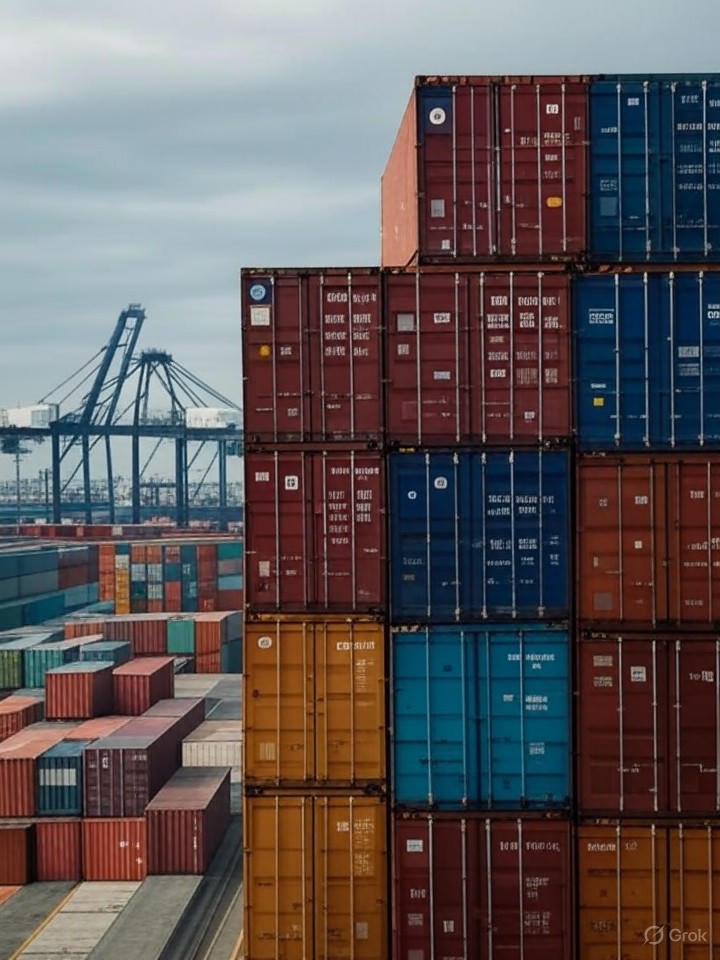
In the bustling terminals of the Port of Los Angeles, the nation’s busiest container port, a frantic rush of imports has unfolded over recent months as U.S. companies scrambled to stockpile goods ahead of looming tariff hikes. This preemptive surge, driven by fears of escalating trade tensions with China, saw record-breaking cargo volumes in June and July, with importers accelerating shipments to beat what was initially set as an August 1 deadline for higher duties. According to data from the port, June marked its best month on record, with executive director Gene Seroka noting that businesses were “racing to get cargo in” before the tariffs bit.
The motivation stems from President Trump’s reciprocal tariff policies, which have oscillated between impositions and pauses, creating a whirlwind of uncertainty for supply chain managers. Retailers and manufacturers, anticipating duties that could climb as high as 145% on certain Chinese goods, flooded the port with electronics, apparel, and machinery, leading to a temporary boom that masked underlying vulnerabilities in global trade flows.
Deadline Extensions and Their Ripple Effects
However, in a move that caught many off guard, the administration extended the tariff truce to mid-November, as reported in a recent supply chain roundup by J.M. Rodgers, providing a brief reprieve but not alleviating the broader economic pressures. This delay, while offering short-term relief, has left companies with overflowing inventories and questions about future costs. Posts on X from industry observers highlight the sentiment, with users noting that the extension might delay visible shortages but won’t prevent eventual price hikes passed on to consumers.
The Port of Los Angeles, handling about 40% of U.S. containerized imports from Asia, experienced a 35% drop in traffic earlier in the year amid initial tariff implementations, as detailed in an April article from the Los Angeles Times. Yet the recent rush reversed that trend temporarily, with July volumes surging as firms like major retailers front-loaded orders to mitigate risks.
Impacts on Businesses and Workers
For U.S. companies, this stockpiling strategy has been a double-edged sword. While it cushions against immediate tariff impacts, it ties up capital in excess inventory, potentially leading to overstock issues if demand softens. Small businesses, in particular, are struggling, as noted in a DC Velocity report from just five days ago, which warns of rising consumer prices and a slowing economy amid the trade disruptions.
Dockworkers and logistics staff have felt the volatility firsthand. The International Longshore and Warehouse Union reported hundreds of job losses during slowdowns, with recovery tied to these erratic import spikes. An NPR segment earlier this year underscored how the cargo decline affects not just port operations but ripples out to trucking, warehousing, and retail sectors nationwide.
Forecasts and Future Uncertainties
Looking ahead, projections from the Global Port Tracker, released by the National Retail Federation and Hackett Associates, anticipate a 5.6% drop in overall U.S. import volumes for 2025 compared to 2024, as covered in a gCaptain analysis. This decline is attributed to sustained tariff pressures disrupting trade patterns, with some cargo shifting to alternative ports or routes, including a return to Red Sea transits by smaller carriers despite ongoing risks.
Industry insiders argue that repeated deadline extensions, like the recent 90-day delay mentioned in X posts from alternative news accounts, only prolong the agony. As Gene Seroka told PBS NewsHour in May, the economic fallout extends beyond the docks, influencing store shelves, prices, and jobs across America. With the mid-November deadline now looming, companies are recalibrating strategies, some exploring nearshoring to Mexico or Vietnam to diversify supply chains.
Strategic Shifts and Long-Term Implications
This tariff saga has prompted a reevaluation of global sourcing. Major importers are investing in automation and inventory management tech to handle such fluctuations, but the costs are mounting. A Reuters report from May indicated that even with truces, ports like Los Angeles won’t see sustained booms, as underlying trade tensions persist.
Ultimately, the rushed imports and subsequent extensions reveal the fragility of U.S.-China trade relations. As one X user, a real estate services executive, posted about ongoing uncertainty hindering long-term leasing in Southern California, the port’s ecosystem remains on edge. For industry leaders, navigating this requires not just tactical stockpiling but a strategic pivot toward resilient, diversified operations to weather future policy storms.


 WebProNews is an iEntry Publication