
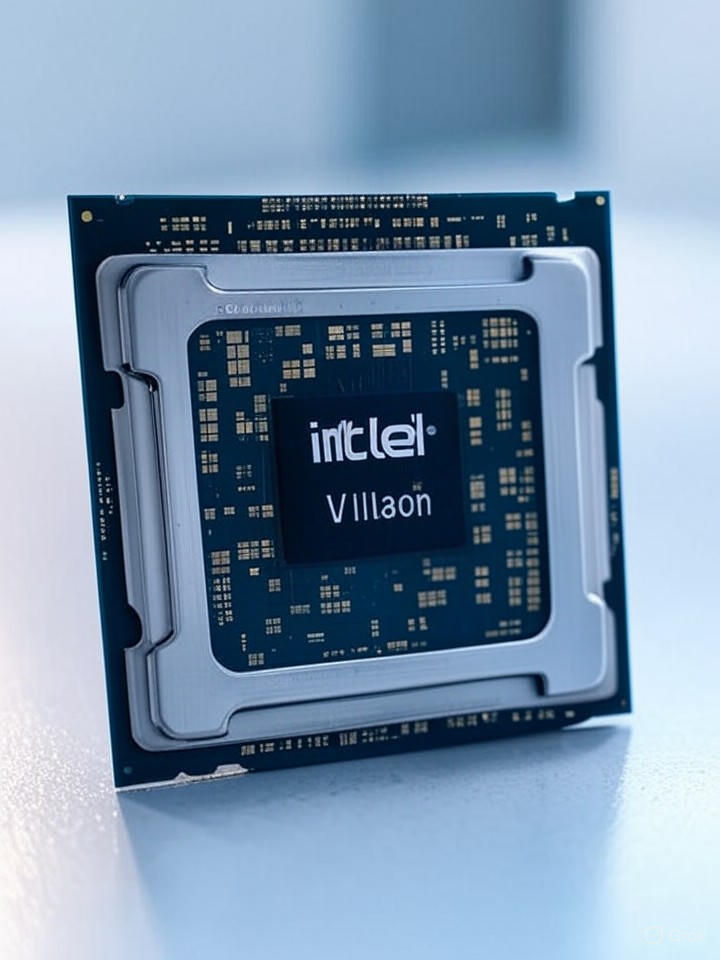
In a surprising twist to the U.S. government’s efforts to bolster domestic semiconductor manufacturing, the Department of Commerce has relieved Intel Corp. of several key obligations under the CHIPS and Science Act. This decision comes amid Intel’s ongoing struggles with production delays and financial pressures, allowing the chip giant more flexibility to navigate its ambitious expansion plans without the stringent milestones originally imposed.
The move, detailed in recent reports, stems from the government’s new equity stake in Intel, which effectively alters the dynamics of their partnership. By converting portions of the funding into ownership, Washington is betting directly on Intel’s success, but at the cost of easing oversight that was meant to ensure taxpayer dollars yield tangible results in chip production.
Shifting Dynamics in Government-Industry Ties
This adjustment follows Intel’s receipt of a reduced $7.85 billion grant under the CHIPS Act, down from an initial $8.5 billion, as reported by Engadget last November. The cuts were attributed to Intel’s scaled-back projects, including delays in Ohio and Arizona facilities. Now, with the requirements dropped, Intel is no longer bound to specific construction timelines or output targets that could have triggered clawbacks of funds.
Industry analysts see this as a pragmatic pivot by the Trump administration, which has prioritized rapid domestic chip output amid escalating tensions with China. However, it raises questions about accountability, as the original CHIPS framework was designed to prevent misuse of subsidies through rigorous performance metrics.
Equity Stake as a Game Changer
The government’s acquisition of a roughly 10% stake in Intel, valued at around $8.9 billion, marks a unprecedented level of direct involvement in a private tech firm. According to details from Engadget, this equity conversion—praised by former President Trump—replaces traditional grant structures with shareholder influence, potentially giving the U.S. a voice in board decisions without operational control.
For Intel, this means breathing room to address its competitive lag behind rivals like TSMC, which has faced no such equity demands under its own CHIPS funding, as noted in a Trump administration official’s statement via Engadget. Intel’s CEO Pat Gelsinger has welcomed the flexibility, arguing it accelerates investments in advanced nodes like 18A technology.
Implications for Broader Semiconductor Policy
Critics, however, warn that relaxing requirements could set a risky precedent, diminishing the CHIPS Act’s effectiveness in rebuilding U.S. supply chains. Reports from Moneycontrol highlight how this gives Intel “more breathing room” but might erode public trust if milestones aren’t met voluntarily.
On the flip side, proponents argue it’s a necessary adaptation to real-world challenges, such as labor shortages and rising costs that have plagued Intel’s fab builds. The Commerce Department insists that core goals— like job creation and technological sovereignty—remain intact through the equity tie.
Future Risks and Strategic Bets
As Intel pushes forward with its foundry ambitions, the dropped requirements eliminate immediate penalties for slippage, but the government’s stake introduces new pressures from shareholder expectations. This hybrid model could inspire similar deals for other recipients, though TSMC’s finalized $6.6 billion incentives without equity, per Engadget, suggest a tailored approach.
Ultimately, this development underscores the evolving interplay between national security and corporate autonomy. If successful, it could revitalize American chipmaking; if not, it risks billions in sunk costs. Industry insiders will be watching closely as Intel reports its next quarterly progress, now under a looser but more invested governmental gaze.


 WebProNews is an iEntry Publication