
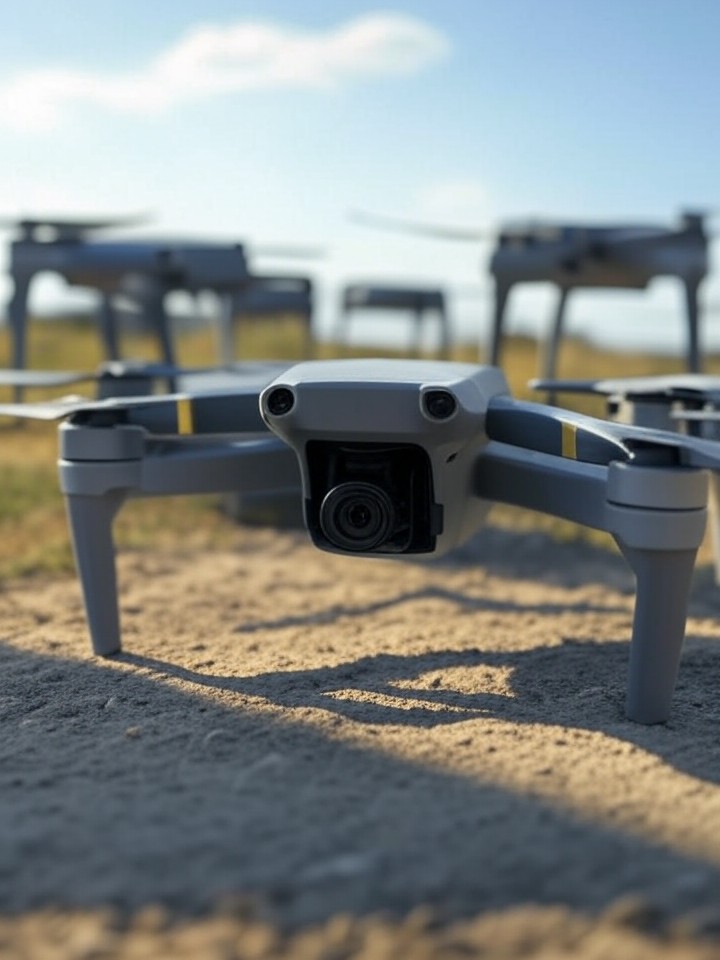
Ripples from Regulation: U.S. Drone Bans Reshape Global Markets and Innovation
The U.S. government’s recent crackdown on foreign-made drones has sent shockwaves through the industry, affecting not just dominant players like China’s DJI but also emerging innovators. At the heart of this shift is the Federal Communications Commission’s decision to bar imports of new models from abroad, citing national security risks. This move, which took effect late last year, has implications far beyond hobbyist flyers, touching commercial operations, technological advancement, and international trade dynamics.
For years, DJI has held a commanding position in the drone sector, with estimates suggesting it controls over 70% of the U.S. commercial market. The FCC’s action places DJI and similar firms on a “Covered List,” effectively halting the approval and import of their latest products. Existing models that already received FCC certification remain usable, providing some relief to current owners, but the ban stifles future innovation from these sources.
This regulatory hurdle stems from longstanding concerns over data security and potential espionage. Lawmakers and agencies argue that drones manufactured in certain countries could transmit sensitive information back to foreign governments. The policy echoes broader tensions in U.S.-China relations, where technology has become a battleground for influence and control.
The Shadow Over New Entrants
One of the more intriguing casualties of this policy could be the HoverAir Aqua, billed as the world’s first waterproof selfie drone. Developed by Zero Zero Robotics, this device promises to revolutionize personal aerial photography with its ability to operate in wet environments, ideal for adventures near water. However, without FCC clearance, its launch in the U.S. market hangs in the balance, potentially grounding what could have been a breakout product.
According to a report from TechRadar, the HoverAir Aqua faces an uncertain future due to these new rules. The article highlights how the drone, set for release in February 2026, might never reach American consumers if it fails to navigate the approval process. This isn’t just a setback for Zero Zero Robotics; it underscores how blanket restrictions can inadvertently stifle niche innovations that pose minimal security threats.
Industry observers note that while DJI bears the brunt of the scrutiny, smaller manufacturers like Autel and even non-Chinese firms could feel the pinch if their supply chains involve restricted components. The ban extends to critical parts, complicating assembly and distribution for any drone not deemed entirely domestic.
The Commerce Department’s recent decision to withdraw its own proposed restrictions on Chinese drones adds a layer of complexity. As reported by Reuters, this reversal came after an earlier focus on vehicles, suggesting a possible recalibration of priorities. Yet, with the FCC’s measures still in place, the overall environment remains hostile to foreign imports.
This patchwork of regulations creates uncertainty for businesses. Drone operators in sectors like agriculture, real estate, and emergency services must now reassess their fleets, potentially shifting to U.S.-based alternatives that may not yet match the performance or affordability of established foreign models.
Posts on X reflect a mix of frustration and speculation among enthusiasts and professionals. Users have voiced concerns about supply shortages and rising prices, with some predicting a boom for American manufacturers as they fill the void left by DJI’s curtailed presence.
Historical Context and Escalating Tensions
The roots of these restrictions trace back to 2017, when the U.S. Department of Defense flagged potential vulnerabilities in DJI products. Subsequent legislation, including the National Defense Authorization Act, has progressively tightened controls. The “Countering CCP Drones Act,” passed in recent years, exemplifies this trend, aiming to counter perceived threats from Chinese technology.
A POLITICO analysis details how the FCC’s ruling specifically targets spying concerns, with DJI singled out as the primary offender. The piece notes that while the ban doesn’t immediately ground existing drones, it could lead to phased restrictions if security risks are deemed ongoing.
Comparisons to other tech sectors, such as telecommunications with Huawei, reveal a pattern of U.S. policy favoring domestic security over open markets. This approach has spurred investment in American drone companies like Skydio, which has positioned itself as a secure alternative for government and enterprise users.
The impact on consumers is multifaceted. Hobbyists who rely on affordable, feature-rich drones from DJI may find their options limited, pushing them toward pricier domestic options or second-hand markets. For professionals, the ban disrupts workflows, as software updates and new accessories become scarce.
In the case of the HoverAir Aqua, its unique selling point—waterproofing combined with autonomous selfie capabilities—highlights a gap in the market that U.S. firms might not immediately address. TechRadar’s coverage emphasizes how this drone, capable of diving into water and capturing underwater footage, represents a leap in consumer tech that could be lost to regulatory overreach.
Broader economic ramifications include potential job losses in distribution and retail sectors tied to foreign drones. Conversely, it could catalyze growth in U.S. manufacturing, with companies ramping up production to meet demand.
Industry Responses and Adaptation Strategies
DJI has not taken these developments lying down. The company has updated its geofencing systems to comply with U.S. requirements, including Remote ID protocols that broadcast drone identification for tracking purposes. As noted in various X posts, these changes aim to assuage concerns about traceability and data privacy.
A statement from DJI, referenced in an DroneDJ article, clarifies that while new models are blocked, support for legacy products continues. This includes firmware updates to ensure compliance with evolving FAA rules.
Other manufacturers are exploring workarounds, such as partnering with U.S. entities for local assembly or seeking exemptions through rigorous security audits. For instance, Autel Robotics has invested in transparency measures to demonstrate that its drones do not pose risks.
The withdrawal of the Commerce Department’s plan, as covered by The Drone Girl, might signal a softening stance, but industry insiders remain cautious. The site’s analysis suggests that the FCC’s actions have rendered additional bans redundant, yet the cumulative effect still hampers foreign competition.
For emerging products like the HoverAir Aqua, crowdfunding backers in the U.S. face delays and refunds, as per updates from Zero Zero Robotics. This situation illustrates the human element: enthusiasts who pledged support now grapple with unfulfilled promises due to geopolitical forces.
Looking ahead, analysts predict a fragmented market where U.S. drones gain ground in sensitive applications, while foreign models persist in less regulated niches through gray-market channels.
Global Repercussions and Future Trajectories
Internationally, the U.S. ban could prompt retaliatory measures from China, affecting American tech exports. European and Asian markets, less encumbered by similar restrictions, might become havens for DJI’s growth, shifting the center of innovation away from the U.S.
A CNN Business report underscores how the policy disadvantages U.S. consumers by limiting access to cutting-edge technology, potentially slowing adoption in fields like delivery services and environmental monitoring.
In the realm of waterproof drones, the HoverAir Aqua’s plight draws parallels to other specialized tech stalled by regulations. If approved, it could set a precedent for how niche products navigate the system; if not, it might deter future investments in similar ventures.
Industry groups are lobbying for clearer guidelines, arguing that broad bans overlook nuanced risk assessments. The Association for Uncrewed Vehicle Systems International has called for balanced policies that protect security without stifling progress.
Recent X discussions highlight sentiment among drone pilots, with many expressing dismay over reduced choices and higher costs. Some users speculate on black-market surges, while others advocate for domestic innovation to bridge the gap.
As the dust settles, the true test will be whether U.S. manufacturers can scale up to meet demand without compromising on quality or affordability.
Innovation Under Scrutiny: Balancing Security and Progress
The case of DJI and the HoverAir Aqua exemplifies the tension between national security imperatives and technological openness. While the bans aim to safeguard against espionage, they risk isolating the U.S. from global advancements.
A detailed look from DRONELIFE explains the Covered List’s mechanics, noting that it restricts federal funding for listed equipment, further pressuring enterprises to switch.
For selfie drones, a subcategory blending portability with automation, the regulations could curtail diversity. The HoverAir series, known for its ease of use, appeals to non-professionals, a demographic that might abandon drones altogether if options dwindle.
Economic forecasts suggest a short-term dip in market growth, followed by a rebound driven by domestic players. Companies like Parrot and emerging startups are poised to capitalize, investing in R&D to rival DJI’s features.
Yet, challenges remain: building robust supply chains free of foreign dependencies is no small feat. The ban on components exacerbates this, as even U.S. firms source parts globally.
In wrapping up this examination, the evolving regulatory framework demands vigilance from all stakeholders. As new models emerge and policies adapt, the drone industry’s trajectory will hinge on finding equilibrium between protection and innovation.


 WebProNews is an iEntry Publication