
Racing to the Moon: America’s Space Ambitions Falter as China Accelerates
In the high-stakes arena of global space exploration, the United States finds itself grappling with mounting delays in its flagship Artemis program, while China steadily advances its lunar ambitions. A recent congressional hearing underscored the urgency of this competition, with lawmakers and experts warning that persistent setbacks at NASA could cede critical advantages to Beijing. The testimony, delivered during a session of the House Science, Space, and Technology Committee’s space subcommittee, highlighted the need for accountability measures to address these delays.
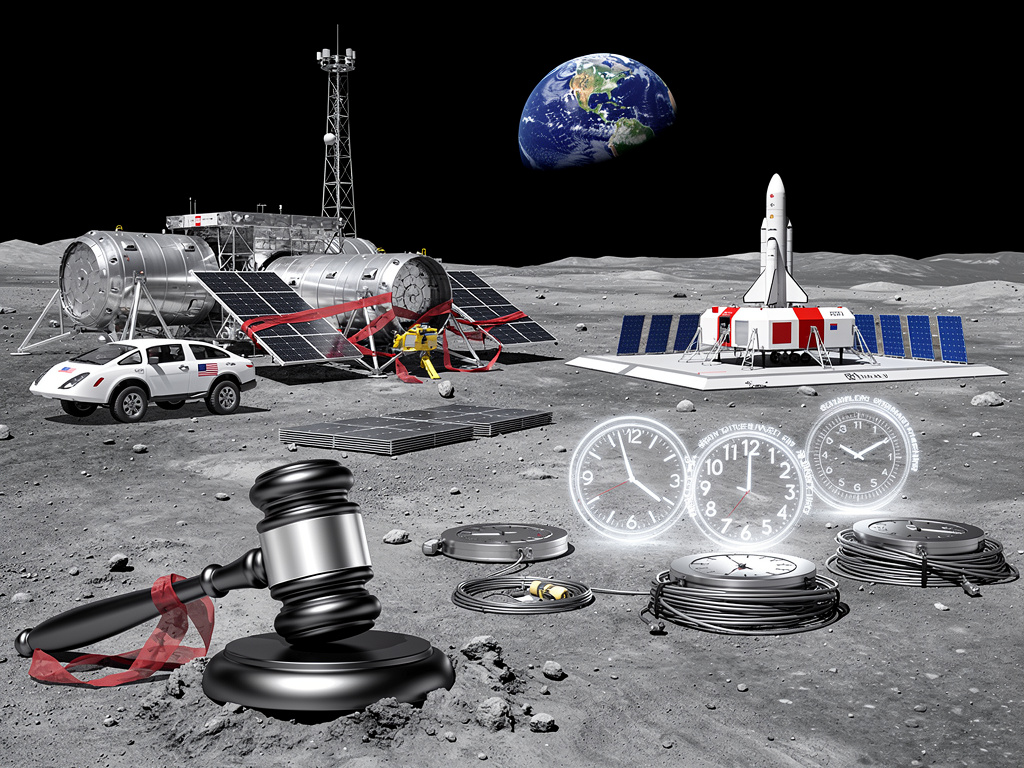
The hearing, chaired by Rep. Brian Babin (R-Texas), featured insights from industry veterans including former NASA officials and aerospace executives. They painted a picture of a U.S. space effort hampered by bureaucratic hurdles, technical glitches, and funding uncertainties. One key voice was Mike Gold, a former NASA associate administrator now with Redwire Space, who emphasized that without “consequences” for missed deadlines, the Artemis program risks falling further behind. This sentiment echoes broader concerns in the space community about America’s ability to maintain its lead.
Gold’s remarks, as reported in an in-depth analysis by Ars Technica, stressed the importance of enforcing timelines similar to those in commercial contracts. He drew parallels to the private sector, where penalties for delays are standard, suggesting NASA adopt similar mechanisms to incentivize performance. This comes at a time when China’s space program has demonstrated remarkable consistency, with milestones like the Chang’e-6 mission successfully returning samples from the moon’s far side earlier this year.
Escalating Rivalries and Policy Barriers
The backdrop to these discussions is an intensifying rivalry between the U.S. and China in space, fueled by geopolitical tensions. Recent reports indicate that NASA has implemented stricter policies barring Chinese nationals from participating in its programs, a move seen as a direct response to national security concerns. According to coverage in The Guardian, this decision aligns with escalating anti-China rhetoric during the current administration, potentially disrupting international collaborations but aiming to safeguard sensitive technologies.
On the Chinese side, advancements continue apace. Beijing’s plans include landing astronauts on the moon by 2030, a timeline that appears more achievable given recent successes. For instance, China’s handling of an emergency mission to its Tiangong space station after a space debris incident showcased operational agility. As detailed in a Yahoo Tech article, the China Manned Space Agency swiftly addressed cracks in a spacecraft window, delaying the return of astronauts but maintaining mission integrity without major setbacks.
In contrast, NASA’s Artemis program has faced repeated postponements. The Artemis II mission, intended to send astronauts around the moon, has been pushed back multiple times due to issues with the Space Launch System rocket and Orion capsule. Experts testifying before Congress argued that these delays not only inflate costs but also erode U.S. prestige, allowing China to close the gap in areas like lunar resource utilization and permanent outposts.
The Role of Private Players and Technological Hurdles
A significant factor in NASA’s challenges is its reliance on commercial partners, particularly SpaceX, whose Starship vehicle is pivotal for Artemis landings. However, Starship’s development has been plagued by setbacks, including explosion during test flights and regulatory hurdles. An article from The Independent quoted a former NASA chief warning that these delays are causing the U.S. to lose ground in the space race, despite a multi-billion-dollar contract awarded to Elon Musk’s company.
Public sentiment on platforms like X reflects frustration with these issues. Posts from users and analysts highlight concerns over budget cuts and policy decisions, such as the Wolf Amendment, which prohibits NASA from cooperating with China. One widely viewed thread criticized the U.S. for self-imposed isolation, noting that while China invites international collaboration on lunar samples, American laws create barriers. This online discourse underscores a growing perception that NASA’s internal inefficiencies are compounding external rivalries.
Congressional responses during the hearing suggested a push for reforms. Rep. Babin called for a reevaluation of NASA’s contracting practices, proposing that future agreements include stricter performance metrics. Witnesses like Gold advocated for “incentive-based” structures, where bonuses reward on-time delivery and penalties deter overruns, drawing from successful models in defense contracting.
Budget Battles and Strategic Shifts
Funding remains a contentious issue, with the incoming administration signaling potential deep cuts to NASA’s budget. Jared Isaacman, President Trump’s nominee to lead NASA, has publicly warned that U.S. dominance is at risk without increased investments in areas like nuclear propulsion. In prepared testimony reported by Reuters, Isaacman emphasized expanding commercial efforts to counter China, described as “our great rival,” in the race to establish a sustained lunar presence.
These budget threats come amid low morale at NASA, with reports of staff departures and project slowdowns. A profile in The Observer described Isaacman as tasked with reviving the agency’s spirits while navigating slashed science funding that could halve budgets and reduce staff by a third. Such cuts risk delaying not just Artemis but also broader goals like Mars exploration.
China’s program, by comparison, benefits from centralized funding and fewer bureaucratic layers, enabling rapid progress. Recent news from NBC News detailed how Beijing managed a debris-related delay efficiently, contrasting with NASA’s protracted timelines. This efficiency has led experts to predict that China could achieve a crewed lunar landing before the U.S. returns, potentially claiming strategic sites rich in resources like water ice.
Innovation Gaps and Future Pathways
The hearing also delved into technological disparities. Witnesses pointed out that while NASA invests heavily in innovative projects, execution lags. For example, the development of advanced propulsion systems, crucial for deep-space missions, has been slow. Isaacman’s vision, as outlined in a Bloomberg piece, includes bolstering nuclear technologies to enable faster travel, positioning the U.S. for Mars and beyond.
Industry insiders argue that fostering stronger public-private partnerships could bridge these gaps. SpaceX’s Starship, despite delays, represents a leap in reusable rocketry, but as noted in a CNN report, its success is make-or-break for Artemis. Failures here could force NASA to seek alternatives, potentially from competitors like Blue Origin, adding further complexity.
On X, discussions among space enthusiasts and professionals often critique NASA’s risk-averse culture, with posts lamenting how regulatory red tape stifles innovation. One viral thread from an aerospace analyst suggested that without consequences for delays, the U.S. might witness China dominating lunar economics, from mining helium-3 to establishing bases.
Geopolitical Implications and Collaborative Tensions
The broader implications extend beyond technology to geopolitics. A U.S. lag could diminish its influence in setting international space norms, allowing China to lead in areas like space governance. The Wolf Amendment, frequently debated on X, exemplifies this tension; posts from users point out the irony of U.S. complaints about China’s “secretive” programs while American policies enforce separation.
Experts like those from Futurism warn that SpaceX’s contract scrutiny exacerbates the issue, with China potentially beating the U.S. to the moon. This scenario raises questions about resource claims and military applications, as space becomes a domain for strategic competition.
Congressional leaders, including Rep. Mike Haridopolos, highlighted during the hearing— as captured in a Just the News post on X—that China adheres to schedules better despite lower budgets, urging NASA to adopt similar discipline. Proposals include oversight committees to monitor progress and enforce accountability.
Pathways to Recovery and Competitive Edge
To regain momentum, insiders suggest NASA prioritize agile contracting and international alliances outside China. Collaborations with Europe and Japan through the Artemis Accords offer a counterbalance, sharing costs and expertise. However, as detailed in WebProNews, bans on Chinese involvement risk brain drain and fragmented efforts, potentially delaying projects.
Emerging technologies, such as AI-driven mission planning, could accelerate NASA’s timeline. Witnesses advocated investing in these to match China’s pace, where state-backed initiatives integrate cutting-edge tools seamlessly.
Ultimately, the hearing signals a pivotal moment. With Isaacman poised to lead, NASA may pivot toward efficiency, but success hinges on congressional support and internal reforms. As China forges ahead, the U.S. must confront its delays head-on to secure its place in the stars, blending innovation with accountability in this renewed era of exploration.


 WebProNews is an iEntry Publication