
Navigating Sky-High Chaos: Mastering Flight Disruptions Amid 2026’s Winter Onslaught
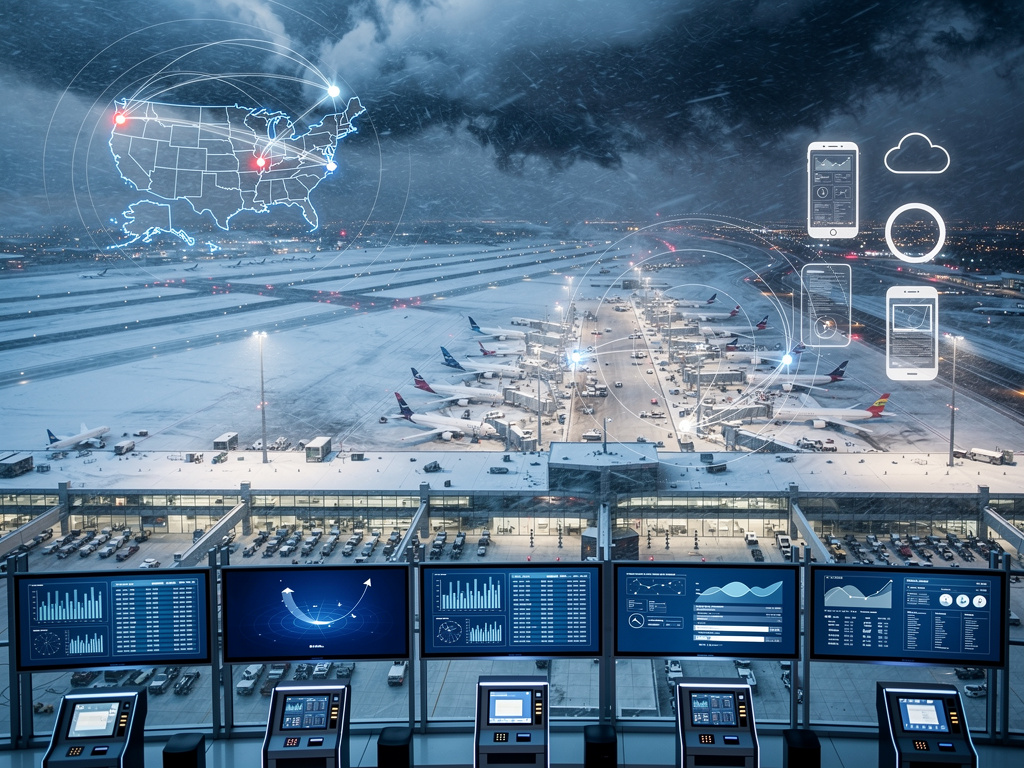
In the early days of 2026, a massive winter storm has gripped much of the United States, unleashing a torrent of snow, ice, and howling winds that have thrown air travel into disarray. Airlines are scrambling to manage widespread cancellations and delays, with forecasts predicting disruptions that could linger into next week. As travelers face packed airports and uncertain itineraries, understanding how to respond effectively has never been more critical. This deep dive explores the intricacies of handling flight interruptions, drawing on real-time data and expert insights to equip industry professionals and savvy passengers alike with advanced strategies.
Recent reports highlight the scale of the turmoil. According to Forbes, a “monster winter storm” is expected to snarl air travel across dozens of states, bringing life-threatening cold and hazardous conditions. Major carriers like American Airlines and Delta have already issued broad travel waivers, allowing passengers to rebook without fees. Flight tracking services show thousands of flights affected, with hubs in the Northeast and Midwest bearing the brunt.
For insiders in the aviation sector, these events underscore systemic vulnerabilities. Staffing shortages, de-icing bottlenecks, and air traffic control constraints exacerbate weather-related issues, turning minor delays into cascading failures. Posts on X from travel experts emphasize proactive monitoring, with one user noting that “tight connections are the weak point” during such peaks, advising buffers in scheduling to mitigate risks.
Unpacking Passenger Rights in a Storm of Uncertainty
Navigating passenger rights requires a firm grasp of regulations like the U.S. Department of Transportation’s guidelines, which mandate refunds for significant delays or cancellations if passengers choose not to travel. However, enforcement can vary, and insiders know that invoking these rules early often yields better outcomes. In Europe, similar protections under EU261 provide compensation tiers based on delay duration and flight distance, a model some U.S. advocates push to adopt amid rising disruptions.
The current storm has amplified calls for transparency. Reuters reports that airlines are rolling out waivers preemptively, covering changes for flights through early next week. This flexibility is a double-edged sword: while it aids rebooking, it also signals potential for mass cancellations, as seen with American Airlines scrapping 16% of its Saturday schedule per Fox Weather.
Industry veterans recommend leveraging apps like FlightAware for real-time updates. Their data, accessible via FlightAware’s cancellation tracker, reveals patterns in disruptions, helping predict which routes might recover fastest. On X, users share tips like rescheduling non-essential travel until mid-week, highlighting how hub ground-stops can ripple nationwide.
Strategic Rebooking: Beyond the Basics
When a flight is delayed or canceled, the first move is often rebooking, but insiders employ layered tactics to secure optimal alternatives. Airlines’ apps and websites allow self-service changes under waivers, bypassing long phone queues. For example, American Airlines’ travel alerts page lists affected regions, enabling quick adjustments.
Advanced strategies include cross-airline partnerships. If your carrier can’t accommodate, interline agreements might allow rerouting on competitors, a nuance often overlooked by casual travelers but standard for frequent flyers. Delta’s advisories, found on their site, detail such options amid the storm’s impact across five states.
Don’t ignore alternative transportation. Rail or bus services can bridge gaps, especially for shorter hauls. X posts from emergency management accounts, like one from NYC Emergency Management, warn of nationwide effects even on flights outside storm zones, suggesting diversified travel plans to avoid total reliance on air.
Compensation and Refunds: Drilling Down on Entitlements
Securing compensation demands persistence. For delays over three hours on U.S. flights, refunds are due if you opt out, but additional perks like meal vouchers kick in sooner. USA Today advises checking airline policies before rebooking, as some offer credits or miles as incentives.
In cases of extended tarmac delays, federal rules limit time on board without deplaning, with fines for violations. Insiders track these via tools like Flightradar24’s disruption map, which provides global overviews useful for international connections disrupted by the U.S. storm.
X sentiment reflects frustration but also practical advice, such as claiming EU-style compensation for eligible flights. One post from a financial expert recalls reclaim tools for delays up to six years back, urging documentation of all expenses for reimbursement claims.
Leveraging Technology and Insurance for Resilience
Technology is a game-changer in managing disruptions. Apps integrating AI predict delays based on weather data, allowing preemptive action. JetBlue’s alerts exemplify user-friendly interfaces for monitoring, while broader platforms like FlightAware’s worldwide delays page offer granular insights.
Travel insurance plays a pivotal role, covering trip interruptions with policies that reimburse non-refundable costs. Industry pros recommend reviewing fine print for weather exclusions, especially pertinent now as The Points Guy notes mass cancellations looming.
On X, travel bloggers share strategies like booking flexible fares or using credit card perks for lounge access during waits, turning downtime productive. These tools, combined with airline APIs for automated alerts, empower insiders to stay ahead.
Airport Survival Tactics Amid Peak Chaos
At the airport, preparation separates smooth recoveries from ordeals. Pack essentials like chargers and snacks, as storm-induced crowds can overwhelm facilities. United’s travel alerts page, though basic, links to status checks vital during fog or ice events, as seen in Vancouver’s recent fog chaos per Vancouver Is Awesome.
Insiders use priority lines via status or apps to expedite rebooking. For international travelers, customs delays compound issues, so factoring buffer time is key. X users advise against assuming rental car availability, as they vanish quickly in disruptions.
Collaboration with gate agents can yield hidden seats on oversold flights. Training programs for airline staff emphasize empathy, but high volumes test limits, making polite persistence effective.
Long-Term Implications for Aviation Strategies
The 2026 storm spotlights broader industry shifts. Chronic issues like air traffic control shortages, echoed in X posts from aviation analysts, demand systemic fixes. Reuters has covered how waivers mitigate immediate fallout, but long-term, investments in resilient infrastructure are crucial.
Airlines are exploring AI for better forecasting, reducing reactive cancellations. Forbes details how cold snaps expose de-icing gaps, pushing for tech upgrades.
Passengers, meanwhile, are adapting with multi-modal planning. USA Today encourages pre-storm rebooking, a tactic insiders use to avoid peak chaos.
Building Personal Contingency Plans
Crafting a robust backup plan involves scenario mapping. Identify alternate routes, including ground options, and monitor via multiple sources like Flightradar24. X discussions highlight rescheduling to Tuesday or later, aligning with recovery timelines from Fox Weather.
Budget for extras: hotels, meals, and transport add up, but insurance or airline reimbursements offset costs. The Points Guy notes how waivers benefit flexible travelers, turning disruptions into opportunities for upgrades.
For business travelers, virtual alternatives minimize losses. Industry forums on X share how remote tools have evolved since past crises, making hybrid planning standard.
Emerging Trends in Disruption Management
Looking ahead, biometric tech could streamline rebooking, reducing lines. Vancouver Is Awesome’s coverage of fog delays illustrates how visibility tech might prevent future issues.
Regulatory pushes for better consumer protections gain traction, with Reuters noting airline accountability amid storms. Insiders advocate for standardized global rules to harmonize responses.
Finally, sustainability angles emerge: fewer flights during weather events cut emissions, prompting discussions on efficient routing. As the storm wanes, these insights will shape more resilient travel norms.


 WebProNews is an iEntry Publication