
America’s Skyward Counteroffensive: U.S. Drones Rise Against China’s Swarm Dominance
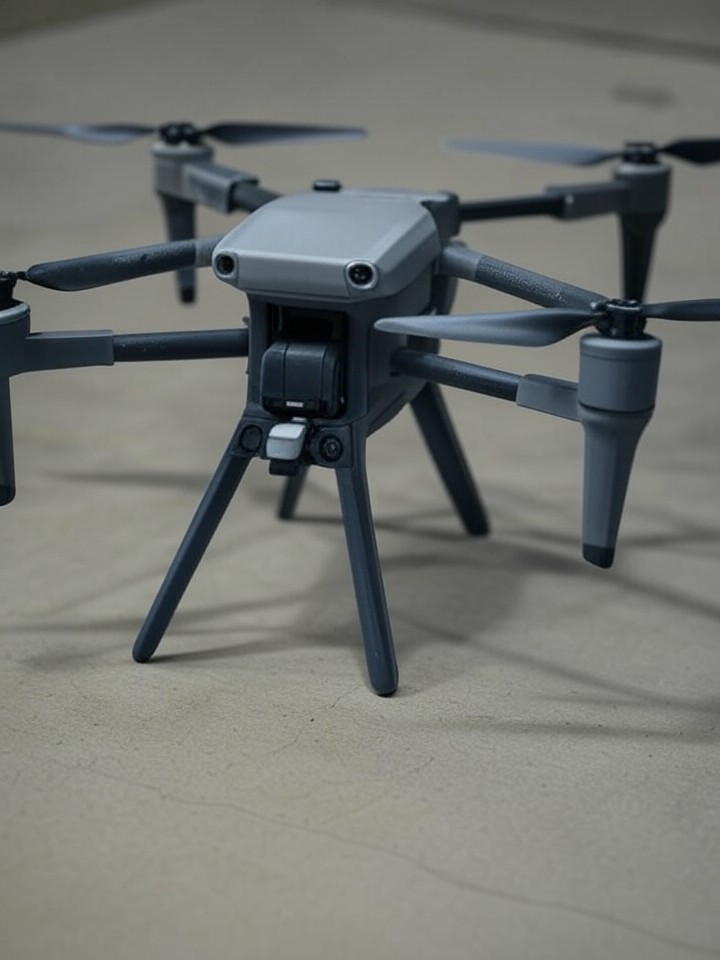
In the high-stakes arena of modern warfare, unmanned aerial vehicles are reshaping battlefields, and the United States is racing to catch up with China’s lead in drone technology. A Michigan-based startup, originally known for orchestrating dazzling light shows, has pivoted to military applications, training American troops to counter drone swarms—a tactic increasingly associated with potential conflicts involving Beijing. This shift underscores a broader push by the U.S. to bolster domestic drone production amid concerns over Chinese dominance in the sector.
The company, Swarm Defense, based in Auburn Hills, has transformed its expertise in coordinating hundreds of drones for entertainment into a tool for simulating enemy swarm attacks. According to a recent report, this technology allows soldiers to experience realistic scenarios where waves of drones overwhelm defenses, preparing them for the kind of asymmetric warfare seen in recent global conflicts. The Pentagon’s alarm over reliance on Chinese-made drones has fueled this initiative, with officials highlighting vulnerabilities in supply chains and potential security risks.
Swarm Defense’s training programs involve deploying fleets of small, agile drones that mimic the behavior of hostile swarms, enabling troops to practice detection, jamming, and neutralization techniques. This hands-on approach is critical as drone swarms—groups of autonomous or semi-autonomous drones operating in unison—pose a unique threat due to their ability to saturate traditional air defenses. Experts note that such swarms can be launched en masse, overwhelming radar systems and missile interceptors with sheer numbers.
Training Grounds for Tomorrow’s Battles
The urgency of this development stems from China’s aggressive advancements in drone technology. Beijing has been conducting anti-drone drills, simulating scenarios where missiles neutralize incoming swarms around maritime assets, as detailed in a report from Interesting Engineering. These exercises highlight China’s focus on both offensive swarm capabilities and defensive countermeasures, positioning the People’s Liberation Army as a frontrunner in this domain.
In contrast, the U.S. military is accelerating its own programs. The Department of Defense has initiated competitions to spur American drone manufacturing, aiming to reduce dependence on foreign suppliers. A piece in the Washington Times describes how the Pentagon is fast-tracking domestic production, with incentives for companies like Swarm Defense to innovate rapidly. This push is part of a larger strategy to integrate drone swarms into U.S. tactics, drawing lessons from conflicts like Ukraine, where drones have proven decisive.
Posts on X, formerly Twitter, reflect growing public and expert concern over this rivalry. Users have highlighted China’s “Radar Reaper” swarm drones, capable of autonomously targeting enemy radars, with production potentially scaling to millions per month. Such discussions underscore the sentiment that the U.S. must adapt quickly to avoid being outpaced in a potential drone arms race.
Strategic Shifts in Global Power
China’s drone prowess extends beyond swarms to integrated systems, including underwater variants designed to threaten aircraft carriers. Analysis from the CNA reveals Beijing’s efforts to build and test swarms for scenarios like a Taiwan conflict, while also developing defenses against rival drones. This dual focus gives China a strategic edge, as it can deploy overwhelming numbers of low-cost drones to disrupt more expensive U.S. assets.
The U.S. response includes reports from think tanks like the Center for a New American Security (CNAS), which emphasize that countering swarms requires more than traditional air defense. In their publication Countering the Swarm, experts argue for integrated approaches involving electronic warfare, directed energy weapons, and AI-driven coordination. This holistic view is echoed in Swarm Defense’s training, which incorporates these elements to simulate multifaceted threats.
Furthermore, European allies are watching closely, with developments like Sweden’s drone-swarming program by Saab, allowing control of up to 100 uncrewed aircraft. As noted in Defense Security Monitor, such international efforts could bolster U.S. capabilities through alliances, but the core competition remains with China.
Innovation Amid Geopolitical Tensions
Swarm Defense’s evolution from civilian spectacles to military training exemplifies how commercial tech is being repurposed for defense. A Fox Business article details how the company, once focused on light shows, now challenges Chinese dominance by providing American-made solutions for troop preparation. This pivot aligns with broader U.S. policy, as seen in Operation Drone Shield, where startups train forces against drone threats while the Pentagon warns of Chinese systems’ risks, according to AMG News.
The economic implications are significant. China’s control over drone manufacturing has prompted domestic pushback, with sectors pushing for a strategic inflection point in U.S. production. Insights from AInvest highlight investments flowing into American firms to counter this imbalance, potentially creating jobs and technological sovereignty.
On X, discussions often reference historical precedents, like the Pentagon’s early announcements of drone swarm tech aimed at China, dating back to 2023. These posts amplify fears of rapid deployment systems, such as China’s truck-launched swarms, originally for entertainment but now militarized.
Defensive Postures and Future Horizons
To counter these threats, the U.S. is exploring advanced countermeasures. Reports indicate interest in EMP-like technologies, with users on X speculating about “EMP rifles” to disable drone swarms en masse. While not yet standard, such innovations could complement training programs like those from Swarm Defense.
China’s demonstrations, including coordinated operations of large drone numbers that are hard to intercept, as covered by Global Times archives, show Beijing’s mastery of swarm tactics. This has spurred U.S. think tanks to produce scenario-based analyses, such as CNAS’s Swarms over the Strait, which models drone use in cross-strait conflicts.
The Small Wars Journal, in a piece by Arizona State University researchers, examines how Ukraine’s drone warfare is influencing U.S. adaptations. Their article The New Arms Race argues for tactical wake-up calls, emphasizing affordable, scalable drone solutions to match China’s production speed.
Escalating Rivalries in Aerial Domains
Looking ahead, the 2026 outlook includes China’s big drones and European fighters, as discussed in The Strategist. This global view suggests an intensifying arms race, with the U.S. needing to integrate swarm training into broader doctrines.
Swarm Defense’s role is pivotal, offering a domestic alternative that reduces risks from Chinese tech infiltration. By simulating complex attacks, it helps troops develop instincts for unpredictable swarm behaviors, crucial for sectors like maritime defense.
Economic analyses, such as Noah Smith’s blog post How Chinese Drones Could Defeat America, warn of vulnerabilities exposed by events like Ukrainian drone strikes, urging investment in counter-swarm tech.
Pushing Boundaries of Autonomous Warfare
The integration of AI in drone swarms adds another layer of complexity. China’s Zhutian simulations, mentioned in X posts, demonstrate coordinated kamikaze attacks that overwhelm defenses, signaling a shift toward autonomous warfare.
U.S. efforts, including Pentagon-funded competitions, aim to foster innovation. Swarm Defense’s programs, by providing realistic training, bridge the gap between theory and practice, ensuring troops are ready for swarm encounters.
Broader implications extend to critical infrastructure protection. Defending against swarms requires rethinking strategies, from electronic jamming to kinetic intercepts, as outlined in various defense reports.
Forging Ahead in Uncertain Skies
As competition heats up, collaborations between startups and the military will likely accelerate. Swarm Defense’s success could inspire similar ventures, strengthening America’s position.
Geopolitical tensions, particularly over Taiwan, amplify the stakes. CNA’s analysis points to China’s swarm readiness for such scenarios, pushing the U.S. to match pace.
Ultimately, this rivalry is driving technological leaps, with training like Swarm Defense’s ensuring U.S. forces remain agile in an era defined by unmanned threats. The focus on domestic innovation signals a commitment to reclaiming aerial superiority, one drone at a time.


 WebProNews is an iEntry Publication