
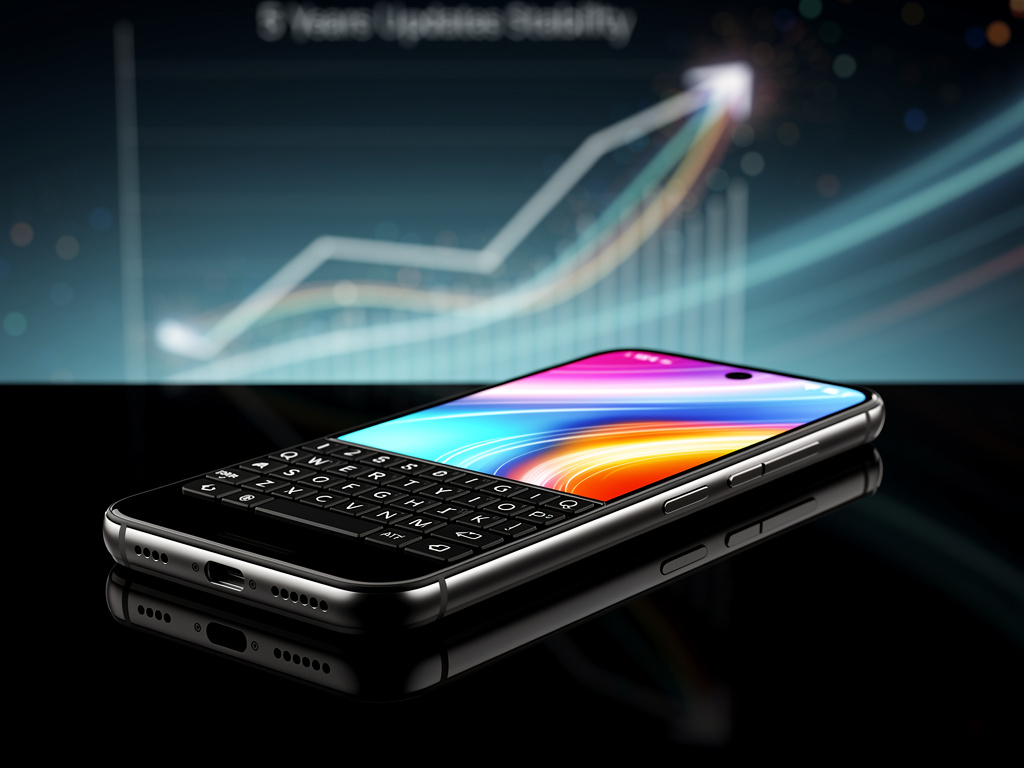
Unihertz has done it again. The Chinese phone maker known for oddball devices just unveiled a compact QWERTY smartphone that feels like a direct nod to the BlackBerry Classic yet runs modern Android with 5G speeds and a smooth display. Reviewers who held the Titan 2 Elite at MWC 2026 in Barcelona came away impressed by its reduced bulk and familiar typing experience. But does this throwback gadget offer enough in 2026 to justify its place in a sea of glass slabs?
The Titan 2 Elite measures noticeably smaller than its predecessor. At roughly 75mm wide and just over 10mm thick it slips into pockets with greater ease. That change matters. Earlier Titan models often drew criticism for their chunky frames. This one trims the fat without sacrificing the physical keyboard that defines the line.
And the keyboard stands out. It adopts a classic phone-style QWERTY layout reminiscent of older BlackBerry models. Keys deliver real tactile feedback. Typists report less fatigue during long sessions. One hands-on tester described the feel as “more impressive than the Titan 2 keyboard” and “very very much” like a BlackBerry. The keys sit flatter than before. Some critics found them less refined. Others praised the speed and comfort they enable.
Yet the device delivers more than nostalgia. A 4.03-inch AMOLED panel runs at 120Hz with 1080 by 1200 resolution. Colors pop. Scrolling feels fluid. The screen size strikes an unusual balance. Small enough for one-handed operation. Large enough for media and messaging. Review units showed vibrant output that rivals many midrange slabs.
Under the hood sits a MediaTek Dimensity 7400 chipset in the base model. A Pro variant steps up to the faster Dimensity 8400. Both come with 12GB of RAM. Storage starts at 256GB and reaches 512GB. These specs place the Titan 2 Elite firmly in the midrange category. It handles daily tasks with ease. Demanding games may require some compromise. Still the hardware exceeds what most expect from a niche keyboard phone.
Cameras include a dual 50MP setup. Early impressions remain mixed. Detail holds up in good light. Low-light performance shows typical midrange limits. No one buys this phone for photography supremacy. The real draw lies elsewhere.
Battery capacity has not been fully detailed in every preview. Real-world tests from extended use suggest solid endurance. One reviewer carried the preproduction unit through mountain getaways and busy errand days. Results left him conflicted yet engaged. “I just can’t decide if I’m Goldilocks or one of the bears” he wrote in SlashGear.
Software runs Android 16 at launch. Unihertz promises five years of support. That includes OS upgrades up to Android 20 and security patches through 2031. Few phones in this price range offer such longevity. The commitment addresses a common complaint about smaller brands. Buyers want assurance their device won’t become obsolete quickly.
Pricing starts at $390 on Kickstarter for early backers. The figure rises to $490 at full launch. The Pro model commands a premium and ships later. Standard units should reach customers in June 2026. October brings the higher-spec variant. A free clear case comes included. It protects the bright orange or black finish without hiding the design.
Comparisons to the original Titan 2 prove instructive. That model featured a larger square display and even a secondary rear screen of questionable value. The Elite drops the gimmick. It focuses on refinement. The keyboard feels more traditional. The body shrinks. Overall it targets users who want a BlackBerry-like experience without the old company’s baggage. As Android Authority noted in its recent hands-on “Whether it has a physical keyboard or not the Unihertz Titan 2 Elite is a decent midrange smartphone that makes a perfect base to start from.”
The market for physical keyboards has grown oddly crowded. Clicks offers a snap-on accessory for iPhone and Android. Other startups tease Communicator-style devices. Unihertz got to market first with a complete phone. Some observers on X suggest the Titan 2 Elite could capture sales from delayed rivals. Timing matters in a niche category.
But challenges remain. Typing on glass has improved dramatically. Autocorrect and voice input handle most needs. Why carry extra bulk? Dedicated users argue speed and accuracy. They point to reduced screen time and fewer errors. The Titan 2 Elite tests that claim. Its compact size helps. So does the 120Hz refresh. The combination creates a device that feels contemporary despite its retro heart.
Build quality impresses. The phone feels solid in hand. Orange color option turns heads. It avoids the toy-like appearance of some past Unihertz experiments. Dual SIM support or microSD expansion adds flexibility. NFC works for payments. 5G bands cover major carriers. These details show attention to what buyers actually need.
Longer tests reveal trade-offs. The smaller body means a smaller battery than some rivals. Heavy users may top up more often. Keyboard shortcuts take time to master. Android integration with physical keys isn’t always perfect. Yet the satisfaction of real buttons keeps many coming back. One week with the device reminded a tester “why I miss this” according to Android Police.
At MWC the Titan 2 Elite earned “Best of MWC 2026” recognition from some observers. Unihertz highlighted the award on its site. The honor validates the approach. Physical keyboards never fully disappeared. They simply waited for the right execution. This model refines the formula that began with the original Titan.
Future updates could expand the appeal. Better low-light cameras would help. Improved software optimization for the keyboard might convert skeptics. For now the Titan 2 Elite stands as a confident entry. It doesn’t pretend to replace every flagship. Instead it offers something different. Something tactile. Something that feels deliberate in an age of touch-first design.
Industry watchers will track Kickstarter momentum closely. Strong backing could encourage Unihertz to iterate faster. Weak interest might slow the category. Either way the company has proven demand exists beyond experimental oddities. The Titan 2 Elite isn’t perfect. Its strengths lie in balance. Smaller size. Stronger performance. Familiar typing. Those elements combine into a phone worth serious consideration for anyone tired of virtual keyboards alone.
Whether it sparks a wider revival remains uncertain. For a dedicated group of professionals and enthusiasts however this device delivers exactly what they have waited years to see again. Real keys. Modern power. Compact form. The rest is up to the market.


 WebProNews is an iEntry Publication