
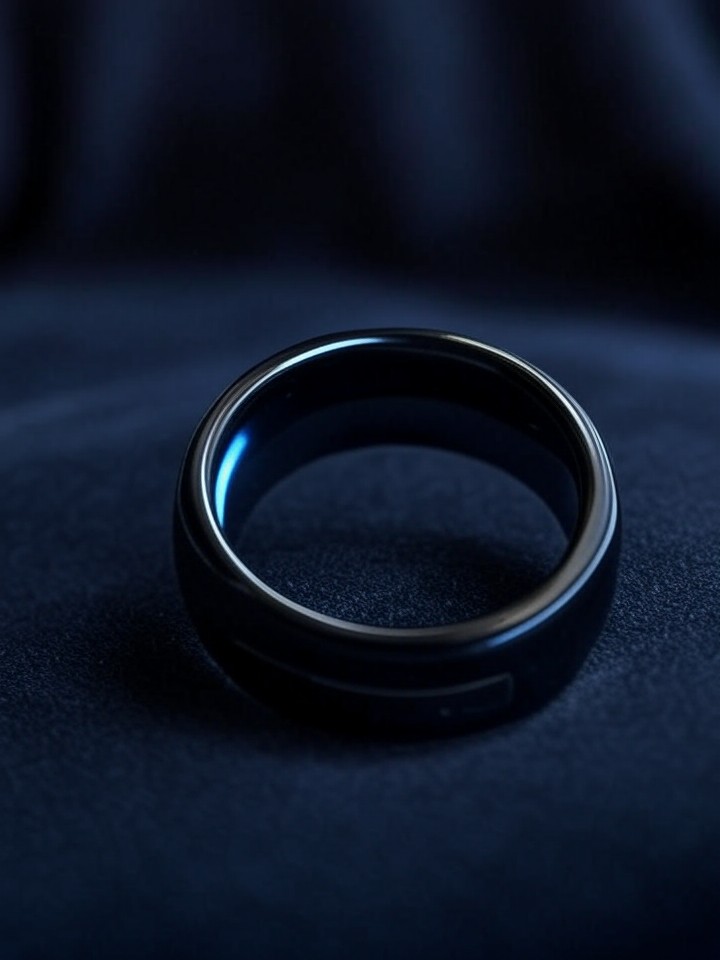
Rings of Relief: How Smart Wearables Are Revolutionizing Migraine Management
In the evolving world of wearable technology, a new frontier is emerging that promises to transform how millions cope with one of the most debilitating health conditions: migraines. Recent advancements in smart rings are not just tracking steps or heart rates; they’re delving into predictive analytics to anticipate migraine attacks before symptoms even surface. This shift represents a significant leap forward, blending biometric data with sophisticated algorithms to offer users proactive insights into their health.
At the forefront of this innovation is Ultrahuman, a company known for its sleek smart rings like the Ring Air. Their latest feature, dubbed Migraine PowerPlug, integrates data from sleep patterns, heart rate variability (HRV), stress levels, and physical movement to identify potential migraine triggers. By analyzing these metrics, the app provides personalized recommendations to adjust daily routines, potentially reducing the frequency and severity of attacks. This development comes at a time when migraines affect over a billion people worldwide, causing immense personal and economic burdens.
The technology builds on partnerships with medical experts, including a collaboration with Click Therapeutics, which brings FDA-approved digital therapeutics into the mix. Users can expect guided interventions, such as breathing exercises or lifestyle tweaks, delivered right through the ring’s companion app. Early reports suggest this could mark a turning point for chronic sufferers, who often rely on reactive treatments like painkillers rather than preventive strategies.
Unlocking Biometric Secrets
The core of Migraine PowerPlug lies in its ability to process vast amounts of biometric data in real-time. Smart rings, unlike bulkier wearables, offer continuous monitoring without the discomfort of wristbands or watches. Ultrahuman’s system uses sensors to track subtle changes in physiological markers that precede migraines, such as fluctuations in HRV or disrupted sleep cycles. These indicators, often invisible to the individual, can signal an impending attack hours or even days in advance.
According to a recent article in Digital Trends, the feature is set for an early 2026 rollout, positioning it as a game-changer for users who log their symptoms manually. The integration allows the app to correlate personal data with environmental factors, like weather changes or dietary habits, to surface actionable insights. This isn’t mere tracking; it’s a predictive model trained on aggregated user data and clinical research.
Industry insiders note that this approach draws from broader trends in health tech, where AI-driven predictions are becoming standard. For migraine management, the stakes are high—attacks can last from hours to days, leading to lost productivity estimated at billions annually. By empowering users with foresight, smart rings like Ultrahuman’s could reduce reliance on pharmaceuticals and foster healthier lifestyles.
Partnerships Driving Progress
The collaboration between Ultrahuman and Click Therapeutics underscores a growing trend of tech firms teaming up with healthcare specialists. Click Therapeutics specializes in digital therapeutics, software-based treatments that have gained FDA clearance for conditions like depression and chronic pain. Their involvement ensures that Migraine PowerPlug isn’t just a gimmick but a clinically informed tool, potentially qualifying for medical reimbursement in some regions.
As detailed in a piece from Android Authority, the feature aims to minimize migraines by suggesting adjustments based on biometric trends. For instance, if poor sleep is identified as a trigger, the app might recommend earlier bedtimes or relaxation techniques. This personalized touch differentiates it from generic health apps, making it particularly appealing to those frustrated with one-size-fits-all solutions.
Moreover, the system’s subscription model, as highlighted in coverage by NotebookCheck.net, ensures ongoing updates and access to premium insights. While competitors like Oura Ring have ventured into sleep and recovery tracking, Ultrahuman’s focus on migraines sets it apart, especially in Europe where the feature is expanding with regulatory approvals.
Challenges in Predictive Health Tech
Despite the promise, implementing migraine prediction isn’t without hurdles. Accuracy depends on consistent user input and high-quality data, which can vary based on individual physiology and ring fit. Early adopters have reported that while the insights are helpful, they’re not infallible—false positives could lead to unnecessary anxiety, a concern echoed in discussions on platforms like X, where users share mixed experiences with similar wearables.
Regulatory scrutiny is another factor. As wearables edge into medical territory, bodies like the FDA are tightening oversight to ensure claims are backed by evidence. Ultrahuman’s partnership with Click Therapeutics helps navigate this, leveraging established protocols for digital health interventions. However, scaling to diverse populations requires addressing variables like age, gender, and comorbidities that influence migraine patterns.
Cost remains a barrier too. Smart rings aren’t cheap, and the added subscription for advanced features might deter budget-conscious consumers. Yet, for chronic sufferers, the potential savings in medical bills and improved quality of life could justify the investment, as suggested in analyses from health tech forums.
Broader Implications for Wearables
Looking beyond migraines, this technology signals a maturation of the wearables sector. Smart rings are compact powerhouses, packing photoplethysmography (PPG) sensors, accelerometers, and even temperature trackers into a finger-worn device. Ultrahuman’s Migraine PowerPlug exemplifies how these can evolve from fitness gadgets to essential health companions, integrating with ecosystems like smartphones for seamless data flow.
Posts on X from tech enthusiasts highlight growing interest in such innovations, with users praising the unobtrusive design that allows 24/7 monitoring without lifestyle disruptions. One trend observed is the shift toward preventive care, where data empowers users to make informed decisions rather than reacting to crises.
Comparisons to rivals are inevitable. Oura, a market leader, has implemented features for general wellness but lacks specialized migraine tools. Meanwhile, emerging players like the Dreame Smart Ring focus on ultra-thin designs with vibration alerts, potentially adaptable for health notifications. Ultrahuman’s edge lies in its targeted approach, backed by real-world data from millions of users.
Scientific Foundations and Future Directions
The science underpinning migraine prediction draws from neurology and data analytics. Research shows that precursors like reduced HRV or elevated stress hormones often precede attacks, patterns that wearables can detect with increasing precision. A Forbes article on Ultrahuman’s initiative, available at Forbes, explains how the PowerPlug aims to cut monthly attacks by leveraging this data for behavioral nudges.
Clinical validation is key. Partnerships like Ultrahuman’s ensure features undergo rigorous testing, with trials demonstrating reduced migraine frequency in participants. This evidence-based strategy could pave the way for insurance coverage, making the technology more accessible.
Looking ahead, experts predict integrations with AI for even more nuanced predictions, perhaps incorporating external data like pollen counts or barometric pressure. As smart rings refine their algorithms, they might expand to other conditions, such as anxiety or hypertension, broadening their impact on public health.
User Experiences and Adoption Trends
Anecdotal evidence from early users paints a picture of empowerment. On X, migraine communities buzz with optimism about tools that decode personal triggers, from irregular sleep to dietary slips. One user described how tracking HRV helped them avoid caffeine spikes, averting attacks that once derailed their week.
Adoption is accelerating, particularly among professionals who can’t afford downtime. Wareable’s coverage, found at Wareable, notes the feature’s rollout aligns with rising demand for non-invasive health monitoring. In corporate wellness programs, such devices could become staples, offering employers data on employee well-being without invading privacy.
However, privacy concerns linger. Biometric data is sensitive, and companies must ensure robust encryption and user consent. Ultrahuman addresses this with transparent policies, but the industry as a whole must build trust to sustain growth.
Economic and Societal Impact
The economic ripple effects are profound. Migraines cost the global economy tens of billions in lost productivity and healthcare expenses. By enabling prevention, smart rings could alleviate this burden, as outlined in reports from health organizations. For individuals, it means reclaiming control over unpredictable health episodes.
In developing regions, where access to specialists is limited, affordable wearables could democratize care. Ultrahuman’s expansion plans, including availability in Europe as per NotebookCheck.net’s earlier mention, suggest a global push. This inclusivity is crucial, given migraines’ disproportionate impact on women and underserved populations.
As the sector matures, collaborations between tech giants and pharma could accelerate innovations, blending hardware with therapeutic software for holistic solutions.
Innovations on the Horizon
Emerging research points to multimodal sensing, where rings combine biometrics with environmental inputs for hyper-accurate predictions. Imagine a device that alerts you to an incoming storm’s pressure changes, a known trigger, integrated with your personal data.
X posts from innovators like AI Reinvent showcase prototypes with advanced features, fueling speculation about next-gen rings. Meanwhile, established players are likely to respond—perhaps Oura will counter with its own specialized tools, intensifying competition.
Ultimately, the success of features like Migraine PowerPlug will hinge on user feedback and iterative improvements. As more data flows in, algorithms will sharpen, potentially transforming migraines from a life-disrupting force into a manageable aspect of health.
Ethical Considerations in Health Tech
Ethical dilemmas arise as wearables blur lines between consumer gadgets and medical devices. Ensuring equitable access is paramount; not everyone can afford a $300 ring plus subscriptions. Initiatives for subsidized models could bridge this gap, promoting broader societal benefits.
Transparency in data usage is non-negotiable. Users must understand how their information contributes to aggregated models without compromising anonymity. Regulatory frameworks, evolving in response to these technologies, will play a pivotal role in safeguarding rights.
For industry insiders, the lesson is clear: innovation must prioritize user-centric design, balancing cutting-edge tech with real-world applicability. Ultrahuman’s approach exemplifies this, setting a benchmark for future developments.
Pushing Boundaries Further
Beyond migraines, the underlying tech could adapt to chronic pain or neurological disorders, expanding the ring’s utility. Partnerships with research institutions might yield breakthroughs, like integrating EEG-like monitoring for deeper brain insights, though current hardware limits this.
Social media sentiment on X reflects excitement mixed with caution, with users calling for more inclusive trials to represent diverse demographics. This feedback loop is vital for refining products that truly serve global needs.
As we stand on the cusp of this era, smart rings like Ultrahuman’s are not just accessories—they’re harbingers of a proactive health future, where prevention outpaces cure and data empowers everyday resilience.


 WebProNews is an iEntry Publication