
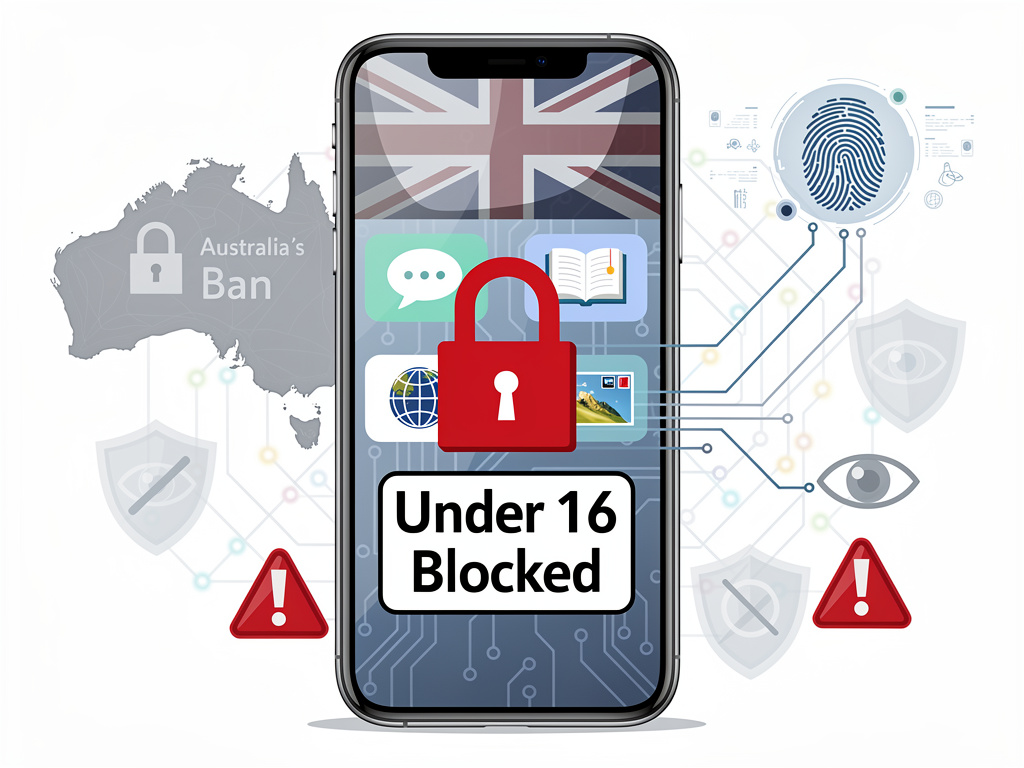
In a move that could reshape digital access for millions, a proposed amendment to the UK’s Children’s Wellbeing and Schools Bill seeks to bar children under 16 from a vast array of online services, including messaging apps like WhatsApp, photo-sharing platforms, and even Wikipedia. Tabled by Conservative peer Baroness Kidron, the amendment mandates ‘highly effective’ age assurance for services offering ‘private interpersonal communications,’ potentially affecting everything from iMessage to Discord and family-shared Google Photos albums. This sweeping proposal, debated in the House of Lords this week, builds on the Online Safety Act but escalates enforcement through stringent age verification.
Decoded News dissected the amendment’s scope, noting it would compel platforms to prevent under-16s from using services where users can communicate one-to-one or in small groups, a category broad enough to ensnare everyday tools. ‘This is not just about social media; it’s about banning under 16s from common messaging services, sharing family photos, using Wikipedia, and doing much else online,’ warned the analysis in Decoded News. The measure defines ‘highly effective’ verification as methods with fewer than one in 50 under-16s slipping through, likely requiring biometrics or government ID checks.
Industry insiders are sounding alarms over the practical fallout. Tech firms would face monumental compliance burdens, retrofitting age gates onto apps not designed for them. Wikipedia, for instance, relies on IP blocks in schools but has no user accounts for casual browsing—yet the amendment could force authentication for UK youth.
Amendment’s Expansive Reach
The legislation targets ‘user-to-user services,’ encompassing direct messaging, group chats under 20 participants, and content-sharing features. Email escapes the net, but apps like Snapchat’s private stories or Signal’s encrypted chats would need overhaul. Biometric Update reported the bill’s focus on children’s wellbeing ties into social media safeguards, with amendments proposing age checks for VPNs too, to block circumvention. ‘In the Children’s Wellbeing and Schools Bill, a new amendment focuses on promoting children’s wellbeing in relation to social media,’ stated Biometric Update.
Baroness Kidron, a vocal advocate for online child safety and Netflix executive producer, argued during Lords debate that unchecked messaging fuels grooming and bullying. Her push mirrors Australia’s recent under-16 social media ban, which mandates platform-level blocks but spares private comms. UK regulators like Ofcom would enforce via fines up to 10% of global revenue, echoing EU Digital Services Act penalties.
Critics decry the overreach. Open Rights Group warned it could sever teens from multiplayer games like Fortnite or Roblox voice chats, isolating youth. Posts on X echoed fears of a ‘digital iron curtain’ for kids, with users like @OpenRightsGroup highlighting threats to gaming social features.
Tech Giants Face Compliance Crunch
Meta, which owns WhatsApp and Instagram, has experimented with age assurance but resisted broad mandates. Apple’s iMessage and FaceTime, integral to family life, could require parental consent loops or device-level biometrics. Google’s services, from Photos to YouTube comments, risk similar gates. Tom’s Guide covered government calls during Online Safety Act debates for VPNs to implement age checks and log data: ‘MPs have called for VPNs to be examined further, implement age checks, and collect user data,’ per Tom’s Guide.
Enforcement hinges on ‘highly effective’ tech, likely facial age estimation from firms like Yoti or iProov, already trialed under Online Safety Act porn rules. Yet accuracy falters with diverse skin tones, per eSafety Commissioner tests. Privacy hawks fear data breaches; a single leak could expose millions of verified users.
Lawyer Monthly analyzed feasibility, questioning if bans work amid VPN proliferation. Australia’s law, effective late 2025, faces circumvention via proxies, with eSafety Commissioner admitting enforcement challenges. UK bill drafters eye VPN curbs, but providers like ExpressVPN vow resistance, citing free speech.
Global Echoes and Enforcement Hurdles
Australia’s ban, lauded by PM Albanese as combating a ‘scourge’ on youth mental health, spurred UK interest. The Guardian noted Britain’s openness: ‘Several European nations are already planning similar moves while Britain has said ‘nothing is off the table’’ in The Guardian. France and New Zealand mull parallels, but UK’s messaging focus stands out.
Ofcom’s role expands, with GOV.UK explainer detailing Online Safety Act duties now layered atop school wellbeing. Bill passage remains uncertain; Labour peers may dilute amid tech lobbying. Sky News probed UK viability post-Australia: ‘Australia is leading the way… But the move hasn’t come without controversy,’ reported Sky News.
X sentiment splits: parents applaud safety, teens and libertarians decry nanny-state overreach. @AffordableLeather called it ‘the latest attempt at Internet censorship,’ while supporters cite bullying stats—1 in 5 UK kids face online harm yearly, per NSPCC.
Privacy vs. Protection Clash
Age assurance tech raises surveillance specters. Yoti’s app scans faces against models trained on millions, but error rates hit 20% for some demographics, risking wrongful bans. Decoded News flagged Wikipedia’s vulnerability: edits and reads could demand logins, stifling education. BBC’s Australia coverage warned of black markets for fake IDs, a prospect looming in UK.
Industry groups like TechUK urge targeted harms over blanket bans. VPN scrutiny intensifies; amendments could mandate under-18 blocks, per Biometric Update. Providers retort with no-logs policies, but UK jurisdiction over foreign firms is murky.
Stakeholder voices proliferate. Baroness Kidron: ‘We must act before another generation is lost.’ Open Rights Group’s James Baker countered in Lib Dem Voice: ‘Teens would lose freedom to enjoy games and social interaction.’
Path Forward Amid Debate
Bill committee stage nears, with amendments tabled for January 2026. Tech execs lobby for carve-outs on private family tools. Australia’s eSafety site details fines up to AUD 50M, a model Ofcom emulates. X threads from @HackerNewsTop5 amplify decoded.legal’s take, garnering tech scrutiny.
Long-term, this tests democracy-tech balance. Will mandates drive innovation in privacy-preserving age tech, or spawn underground nets? As Lords deliberate, the digital divide for UK youth widens.


 WebProNews is an iEntry Publication