
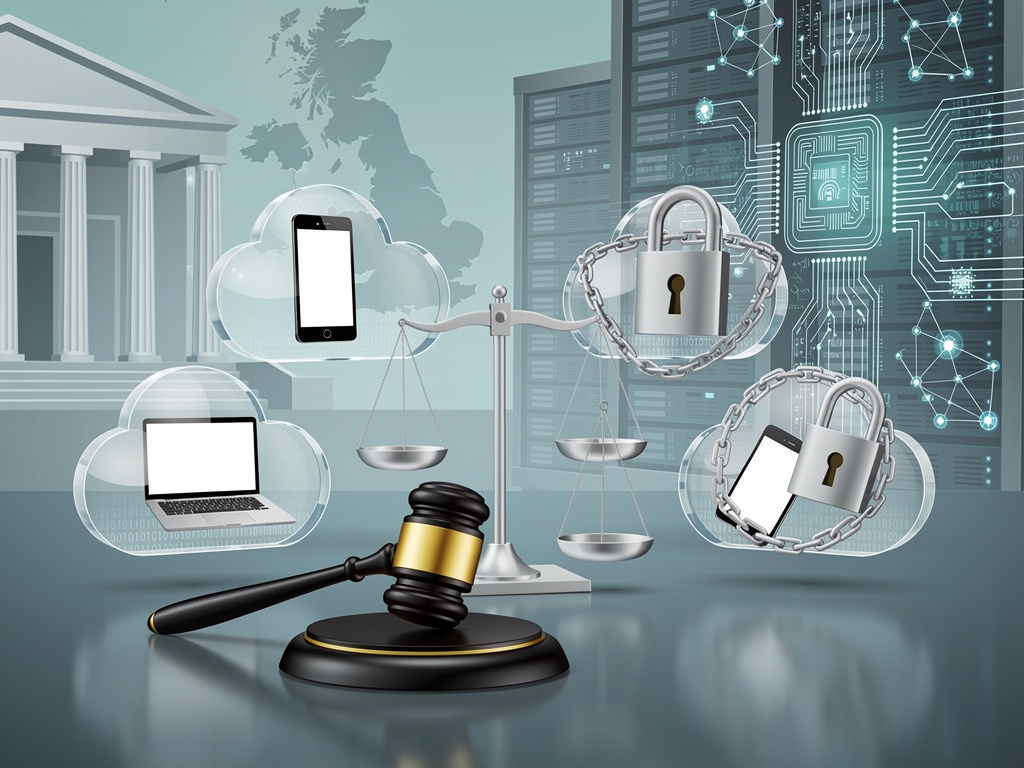
Britain’s Competition Appeal Tribunal has handed consumer champion Which? the green light to pursue a £3 billion claim against Apple. The case accuses the tech giant of locking millions of iPhone owners into its iCloud storage service. Tens of millions of UK consumers could now join the action. The ruling, reported Tuesday by Yahoo Finance, marks another test of whether dominant platforms can steer users toward their own products without running afoul of competition rules.
The tribunal granted a collective proceedings order in June. It rejected Apple’s efforts to strike out parts of the case. Which? filed the claim in November 2024. It argues Apple abused its market power by making it hard for users to store files elsewhere. Technical restrictions on certain files, tight integration with iOS, and insistent prompts and design choices all funnel people toward iCloud, the group says. The result? Weaker competition from rivals and higher prices for storage.
“Which? wants to make clear that no company, no matter how powerful, can get away with abusing its position,” said Anabel Hoult, Which?’s chief executive, according to the Yahoo Finance report. Apple pushed back hard. “We work hard to make iCloud a great experience, but no customer is required to use it and customers in the UK have plenty of alternatives to choose from,” the company stated in an email.
The action covers nearly 40 million UK iCloud users from November 2018 through June 2026. Which? estimates damages near £3 billion. Successful claimants could receive as much as £77 each. A full trial sits on the horizon for 2028. The numbers sound big. They pale, however, next to the sums swirling around artificial intelligence copyright fights that have exploded across the Atlantic and begun to reach British shores.
Just months earlier, Anthropic agreed to pay $1.5 billion to settle a class-action brought by authors. The deal, first reported by Reuters, resolved claims that the company used millions of pirated books to train its Claude model. Judge William Alsup in San Francisco had already ruled that training on lawfully acquired books qualified as fair use. But downloading from pirate libraries crossed the line. That distinction — training good, piracy bad — now shapes the battlefield for OpenAI, Meta and others.
The settlement covered roughly 500,000 works. It delivered about $3,000 per book. No admission of liability came with the payment. Still, the size sent a clear signal. Copyright holders can extract serious money when companies take shortcuts on data acquisition. Authors Andrea Bartz, Charles Graeber and Kirk Wallace Johnson launched the suit in 2024. It ballooned into one of the largest copyright class actions in history. Details of the final approval process appeared later in coverage from Authors Guild.
Yet the fair-use victory for training offers AI developers a lifeline. Alsup called the use of entire books for model training “quintessentially transformative.” Similar reasoning echoes through other pending cases. The Norton Rose Fulbright update on AI litigation from mid-2026 tracks at least a dozen consolidated actions against OpenAI in New York federal court. Plaintiffs there allege both training infringement and that ChatGPT sometimes spits out detailed summaries or even passages that track copyrighted material too closely.
British creators watch these American payouts with mixed feelings. UK copyright law lacks a broad fair-use doctrine. Courts here tend toward stricter protection of reproduction rights. A government consultation on text and data mining exceptions stirred fierce debate in 2025. Publishers and authors pushed back against any opt-out regime that would let AI firms scrape first and face challenges later. The final UK government report on Copyright and Artificial Intelligence, published in March 2026, rejected the broadest exception after heavy opposition from creative industries.
Even so, collective actions are gaining traction in Britain. The Apple iCloud case builds on the Consumer Rights Act 2015, which opened the door to opt-out group litigation. Which? now stands ready to represent a huge class without requiring each user to sign on individually. The tribunal’s willingness to let the case proceed suggests judges see merit in claims that dominant firms design products to limit consumer choice. Apple, for its part, insists iCloud remains optional and faces stiff competition from Google, Microsoft and smaller providers.
But. The deeper issue runs beyond one cloud service. Platform power, data control and the economics of digital lock-in all collide here. iPhone users who fill their devices with photos and documents quickly bump against free storage limits. Upgrading to paid iCloud tiers feels almost inevitable. Critics say Apple’s restrictions on third-party cloud backups and its control of the operating system make switching costly and cumbersome. Those frictions, multiplied across 40 million accounts, add up fast.
The AI copyright saga reveals parallel dynamics. Models need vast troves of high-quality text. Books, articles and code repositories provide exactly that. When companies buy licenses, costs climb. When they scrape the open web or pirate libraries, legal risk spikes. Anthropic’s $1.5 billion hit shows the price of the latter approach. Other firms now race to sign licensing deals with publishers and news organizations. Some pay tens of millions annually. The question lingers whether those sums will satisfy rightsholders or simply invite more litigation.
Recent German cases add another wrinkle. A Munich court ruled that storing copyrighted song lyrics inside an AI model can constitute infringement even if outputs require specific prompts to reproduce them. The decision, tracked by Taylor Wessing’s AI & Copyright Case Tracker, underscores how jurisdictions differ. What counts as reproduction in training data varies. So does liability for outputs that echo protected works.
Back in Britain, the iCloud claim may never reach a full hearing on the merits. Many such cases settle. Apple has deep pockets and a history of resolving disputes quietly. Yet the tribunal’s early approval hands Which? leverage. It also sends a message to other tech giants facing similar collective claims before the same body. Google, Amazon and Microsoft all have cases pending, according to reporting in Tech Policy Press.
For consumers, the potential payout looks modest. Seventy-seven pounds won’t transform household budgets. The real stakes involve behavior change. If Apple must redesign iCloud prompts, loosen file restrictions or offer easier export tools, everyday users gain flexibility. The same logic applies to AI. Settlements that force companies to license data transparently could improve training quality and reduce hallucination risks. Pirated datasets, after all, carry unknown biases and quality problems.
Industry insiders see these fights as early chapters in a longer story. Training data has become a strategic asset as valuable as compute or talent. Companies that secure clean, licensed corpora hold an edge. Those relying on gray-market sources face repeated legal tax. The Anthropic precedent suggests courts may bless the transformative purpose of large language models while punishing corner-cutting on acquisition. That split offers a workable compromise. It also leaves room for massive damage calculations under statutory copyright regimes.
So the Apple case, though rooted in old-school antitrust concerns about tying and foreclosure, mirrors tensions in the AI arena. Both turn on control. Who decides where your data lives? Who profits when that data trains the next generation of intelligence? Regulators on both sides of the Atlantic probe these questions with growing urgency.
Which? has built its reputation on practical consumer advocacy. Its iCloud action fits that mold. The group isn’t seeking to break up Apple. It wants practical remedies that restore choice. Whether the tribunal ultimately agrees remains years away. In the meantime, the mere existence of a certified £3 billion class exerts pressure.
AI developers face even steeper exposure. The Lawfare analysis following the Anthropic deal warned that statutory damages could reach trillions in theory. No company could pay that. Settlements therefore become rational even after partial victories on fair use. The $1.5 billion figure, while headline-grabbing, may represent a discount from theoretical liability. Future plaintiffs will study the terms closely and likely demand more.
UK policymakers, having shelved the most permissive data-mining proposal, now emphasize transparency and opt-out mechanisms in narrower form. The March 2026 government report acknowledges industry fears that constant rights-checking would slow innovation. It also records creator concerns that unchecked scraping devalues original work. Striking balance looks difficult. The Apple tribunal decision and the Anthropic settlement together illustrate why: market power and data power are intertwined.
Users, authors and developers all have skin in the game. Ordinary iPhone owners may receive modest compensation if the iCloud case succeeds. Authors whose books were pirated for Claude training have already seen substantial payouts. AI labs must now budget for licensing, legal reserves or both. The coming years will test whether these financial transfers translate into better products, fairer markets and clearer rules. Early signs suggest the legal system, however slow, has begun to draw boundaries. Companies ignore them at their peril.


 WebProNews is an iEntry Publication