
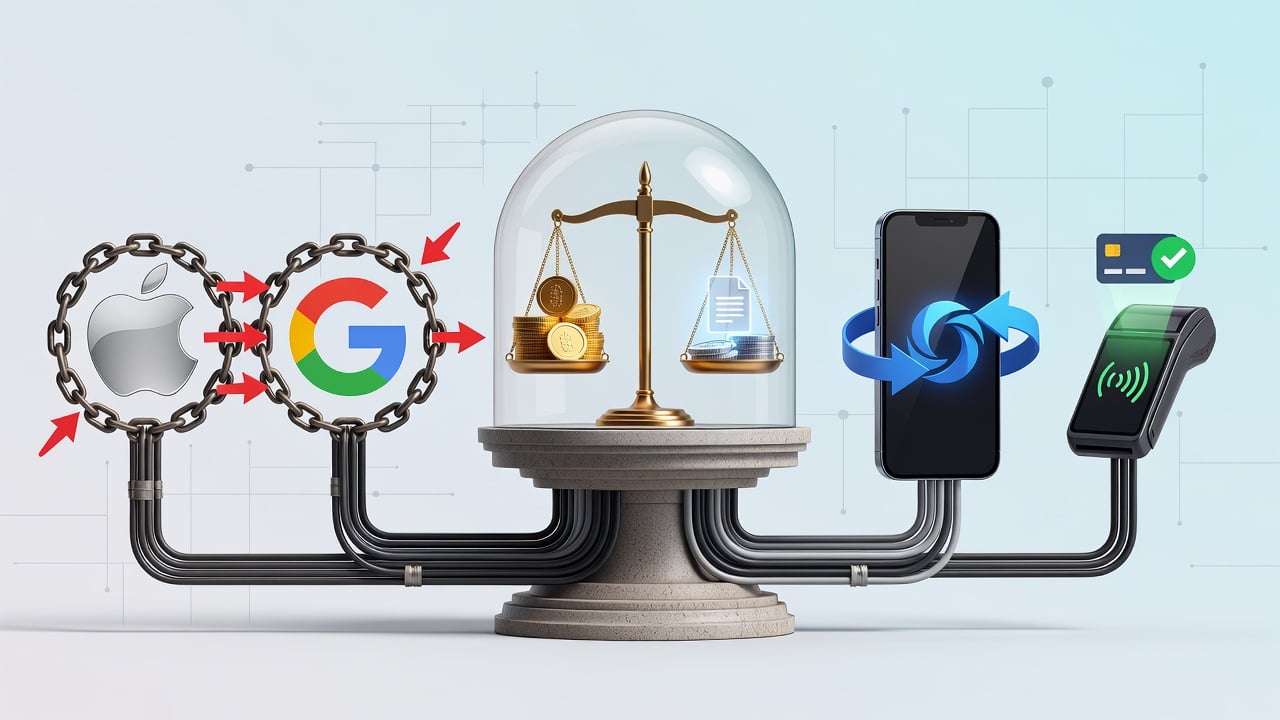
The Competition and Markets Authority wants developers to point customers toward payments made outside the dominant mobile platforms. The move, announced Tuesday, could trim the commissions that have long defined the economics of app distribution in Britain. Apple prohibits the practice outright in the UK. Google limits it. Both charge up to 30 percent on many in-app transactions.
But the CMA isn’t calling for the outright removal of fees. It expects any charges tied to steering to sit below current levels. Savings, the regulator argues, should flow to consumers through lower prices or return to developers who could invest in new features. The proposals arrive as the UK builds on earlier interventions that designated both companies with strategic market status.
Will Hayter, the CMA’s executive director for digital markets, laid out the position clearly. “While it is only fair for Apple and Google to be compensated for the services they provide, any fees they charge must be justified through a robust, evidence-led framework involving due reference to both cost and value.” The Register first reported the consultation details.
Google pushed back almost immediately. A spokesperson told the Register the company had already updated its Play Store terms. New rates took effect June 30. The changes, Google said, cut costs for many developers. The CMA has not yet ruled on whether the adjustments satisfy its expectations. Apple offered no comment.
The proposals mark the latest chapter in a years-long scrutiny of mobile platforms. Last October the CMA granted both firms strategic market status, unlocking broad oversight powers. By February the companies had offered commitments to improve app review transparency and ranking practices. In June the regulator imposed fresh rules on Google Search to shield publishers from AI overviews. Now steering sits at the center.
Developers have complained for years that the 30 percent cut leaves little room for smaller players. Direct billing lets them avoid that hit. Yet platform operators counter that they provide discovery, security screening, payment processing and ongoing infrastructure. The debate turns on how much of that bundle justifies the full commission when a customer never touches the app store checkout.
The CMA consultation doesn’t stop at payments. It also eyes near-field communication access on Apple devices. Opening NFC could let UK fintechs build rival digital wallets and contactless systems without routing everything through Apple Pay. Responses on steering are due by July 28. NFC comments must arrive by July 21. A final decision is expected later this year.
News of the consultation spread quickly. Reuters detailed the potential for lower fees and greater competition in a report published hours after the announcement. The wire service noted the duopoly controls roughly 90 percent of UK mobile devices. The Guardian framed the effort as an attempt to loosen the grip of an effective duopoly on app stores. MacDailyNews warned the changes risk user security for uncertain gains. PYMNTS.com highlighted the call for alternative UK payment paths.
Financial Times zeroed in on the fee scrutiny itself. Its coverage, released the same day, captured industry concern that any mandated steering could erode the security and parental controls Apple has long emphasized. The Next Web observed that the cheapest place to buy a digital subscription should not be the one place an app is forbidden from mentioning. MobileGamer.biz stressed potential price drops for consumers and fresh incentives for innovation.
These fresh accounts build on a pattern visible across multiple jurisdictions. The European Union, United States, India and Australia have each probed app store practices. Britain now adds its weight. The cumulative pressure raises questions about how sustainable the current commission model remains. Yet neither Apple nor Google appears ready to abandon the integrated platform approach that underpins their mobile businesses.
Google’s preemptive changes to its fee structure illustrate one response. The company introduced differentiated rates earlier in 2026. Many developers pay nothing on the first million dollars in revenue. Others see reductions. The firm insists its updates already deliver the flexibility the CMA seeks. Regulators remain skeptical. They want evidence that steering actually happens at scale and that fees stay proportionate to costs incurred.
Apple has taken a different tack. It has fought similar demands in Europe under the Digital Markets Act. It warns that loosening controls invites fraud, weakens privacy protections and fragments the user experience. The company did not respond to requests for comment on the UK proposals. Its silence leaves the field open for the CMA to shape the narrative around fair compensation and consumer benefit.
Industry observers note the consultation’s narrow focus. The CMA does not propose eliminating all platform fees. It seeks to introduce competitive tension at the payment layer. Developers could inform users of cheaper external options. Platforms could still charge for that referral, but the rate must reflect value delivered. Exactly how regulators calculate that value will determine the practical impact.
Data from past inquiries shows the stakes. Apple’s App Store and Google Play generate billions annually from commissions. A meaningful reduction in effective rates could shift hundreds of millions in the UK alone. Smaller developers and niche apps stand to gain most. Larger publishers with strong direct relationships already negotiate better terms. The steering rule could level that field somewhat.
Critics from think tanks such as the Information Technology and Innovation Foundation have argued that app stores deliver substantial non-payment services. Their April 2026 submission to the CMA highlighted reduced commissions for small developers and noted that over 85 percent of Apple developers pay nothing in some analyses. The group cautioned against treating commissions as pure payment processing fees. The CMA appears to have absorbed some of that nuance. Its language stresses evidence-led justification rather than a blanket cap.
Still, the direction is clear. Britain intends to chip away at restrictions that keep transactions inside the walled gardens. The NFC proposal adds another front. If Apple must open its contactless hardware to third parties, the payments moat shrinks further. Fintech startups could offer wallet experiences that compete directly with Apple Pay on iPhones.
Consultation deadlines give stakeholders little time. Developers, consumer groups, security experts and the platforms themselves must weigh in before late July. The CMA has signaled it will move quickly toward a decision. Any requirements that follow could take effect in 2027, layering atop existing commitments.
The episode reveals how national regulators now operate in parallel. What begins as a consultation in London echoes debates in Brussels, Washington and Canberra. Apple and Google must manage a patchwork of obligations. Compliance in one market can influence expectations elsewhere. Global product roadmaps grow more complex.
For UK consumers the changes promise modest relief. An extra few percent off a subscription here, a cheaper in-app purchase there. For developers the difference could fund meaningful product improvements or simply improve margins. Platform operators see erosion of a business model refined over more than a decade.
So the battle lines harden. The CMA wants evidence that fees match value. Google claims it already complies. Apple stays quiet and prepares its counterarguments. The rest of the industry watches closely. A decision later this year will likely set the tone for further interventions. And the pressure on app store economics shows no sign of easing.


 WebProNews is an iEntry Publication